
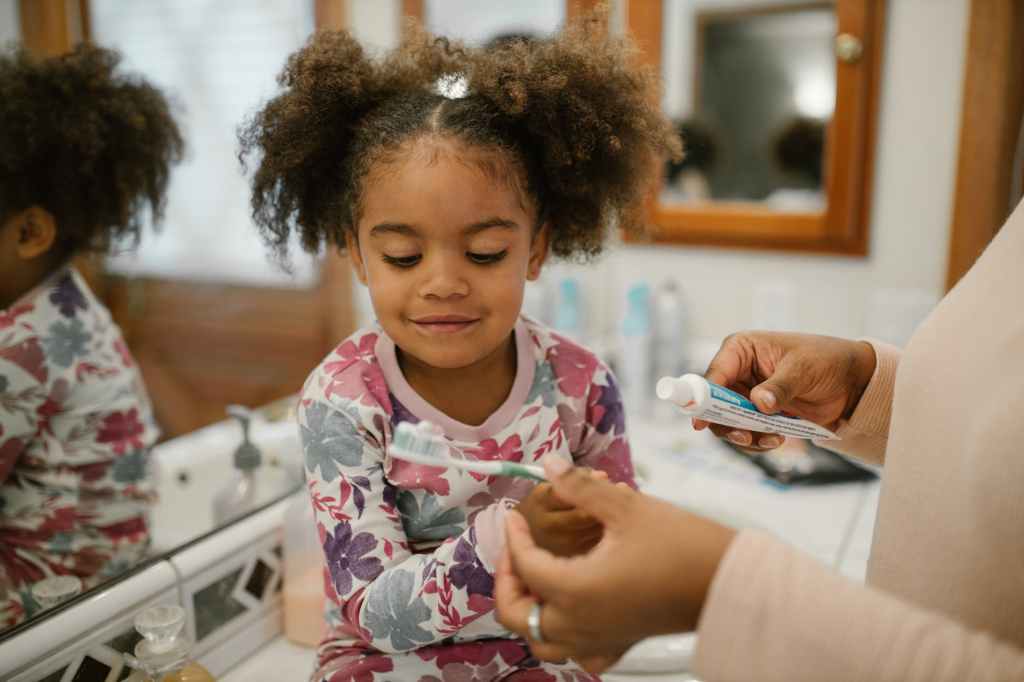
Brushing, Bottle Tooth Decay & Oral Hygiene
Even before your baby flashes that first adorable toothy grin, oral care matters. Many parents assume dental hygiene begins only after teeth appear — but the truth is, a healthy smile starts much earlier. From birth, your baby’s gums need gentle cleaning, and once those first tiny teeth erupt, they need protection from cavities, sugar, and baby bottle habits. As recommended by the Indian Academy of Pediatrics (IAP), parents should begin cleaning their baby’s gums even before the first tooth appears.
Early oral care isn’t just about preventing tooth decay. It sets the foundation for:
- Healthy teeth and gums
- Proper speech development
- Easier eating and chewing
- Confidence as your child grows
Did you know that tooth decay is the most common chronic disease in children — and it can begin as soon as the first tooth appears? The good news: it’s preventable. By learning how to clean your baby’s gums, when to introduce a toothbrush, and what habits to avoid, you can protect their smile for life.
This guide covers everything you need to know about oral care for babies and toddlers — from birth to preschool — including brushing tips, baby bottle tooth decay prevention, diet do’s and don’ts, and even how to break thumb-sucking habits. Whether you’re a new parent or navigating the toddler years, these practical tips will make dental care simple, stress-free, and even fun.
Birth to 6 months of age
Caring for your baby’s teeth starts early! Gently clean their gums after each feeding using a damp cloth wrapped around your finger. Avoid putting them to bed with a bottle or letting them feed continuously, as this can lead to tooth decay. Teething usually begins around 4 to 6 months—red gums and extra drooling are common. To ease discomfort, offer a chilled teething ring or a cold, wet cloth. Since dental decay is caused by bacteria, avoid sharing spoons or testing bottle temperature with your mouth to help keep their smile healthy. Saliva naturally repairs enamel, but frequent feeding with sugary drinks overwhelms this process.
6 to 12 months of age
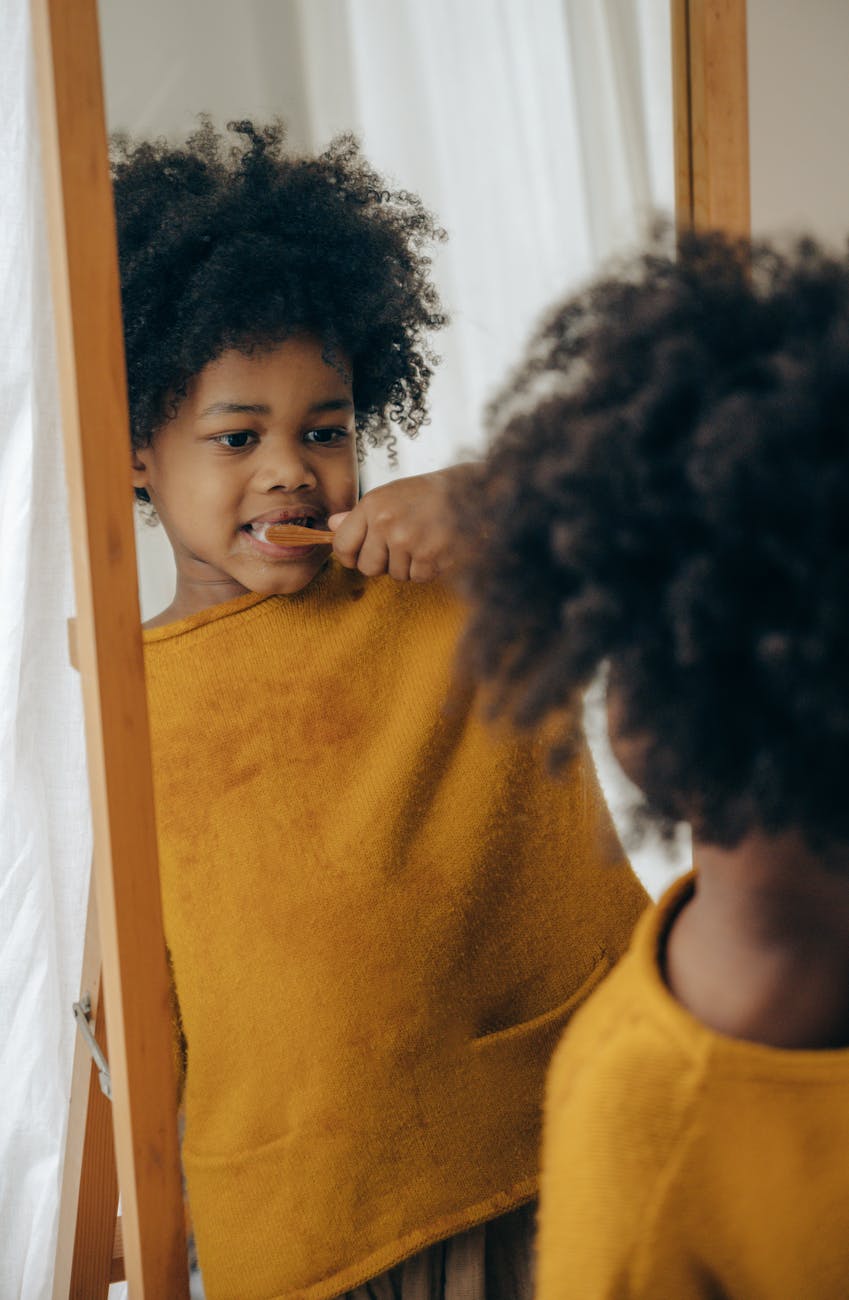
Your baby’s first tooth usually appears between 6 to 8 months. Good oral care starts early—clean your baby’s gums after feeding and begin using a soft baby toothbrush (without toothpaste) once teeth appear. To soothe teething, offer a chilled teething ring or wet washcloth.
Wean off bottles as your child starts solids, and introduce cups for water or juice by 12–14 months. Avoid sugary snacks and don’t let your baby walk around with a bottle.
Check your child’s mouth often for white or brown spots, and schedule a dental visit by age one or within 6 months of the first tooth.
If your water isn’t fluoridated, ask your pediatrician about supplements. Avoid sharing utensils or cleaning pacifiers with your mouth, as this can pass bacteria that cause cavities. Offer chilled teething rings instead of sugary pacifiers.
12 to 18 months of age
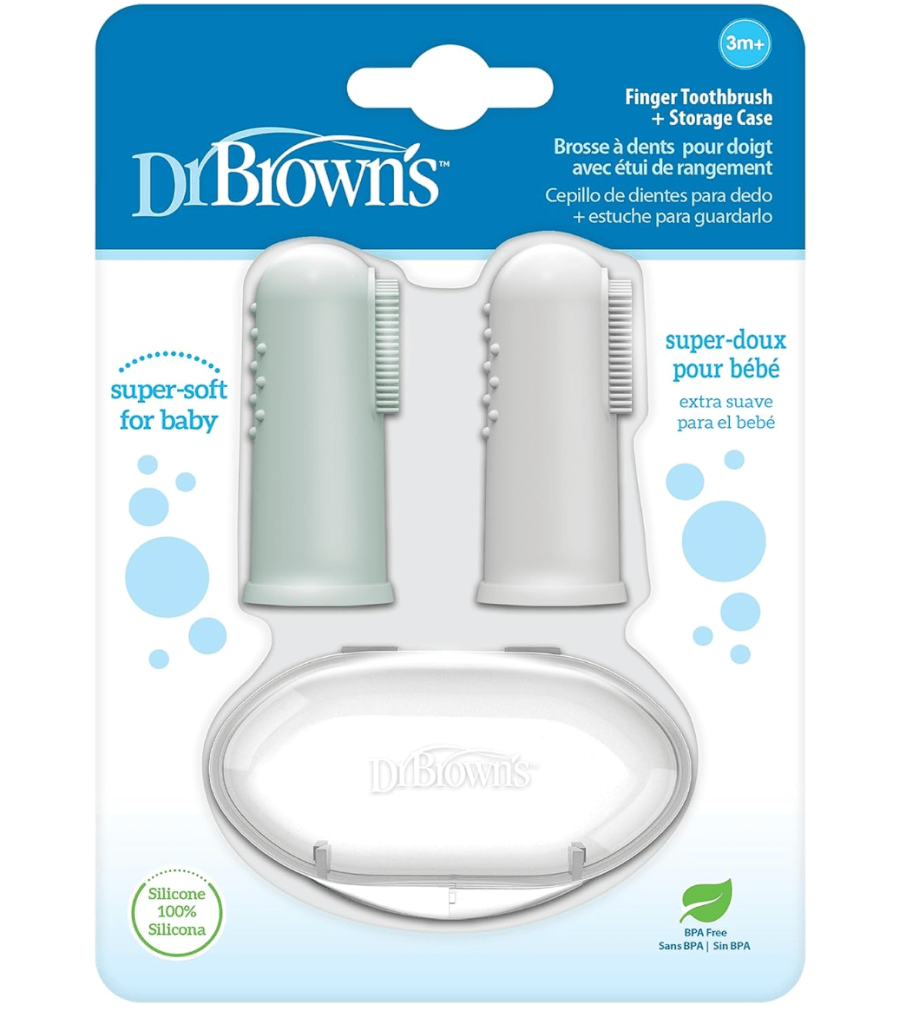
By age one, your child should have their first dental check-up. Brush their teeth twice a day with plain water and watch for white or brown spots—these may be early signs of cavities. If you spot anything unusual or haven’t visited the dentist yet, book an appointment. Also, avoid sharing utensils or other habits that can pass cavity-causing germs to your child. Avoid dipping pacifiers in sugar/syrup.B Encourage water between meals instead of juice.
18 months to age 5
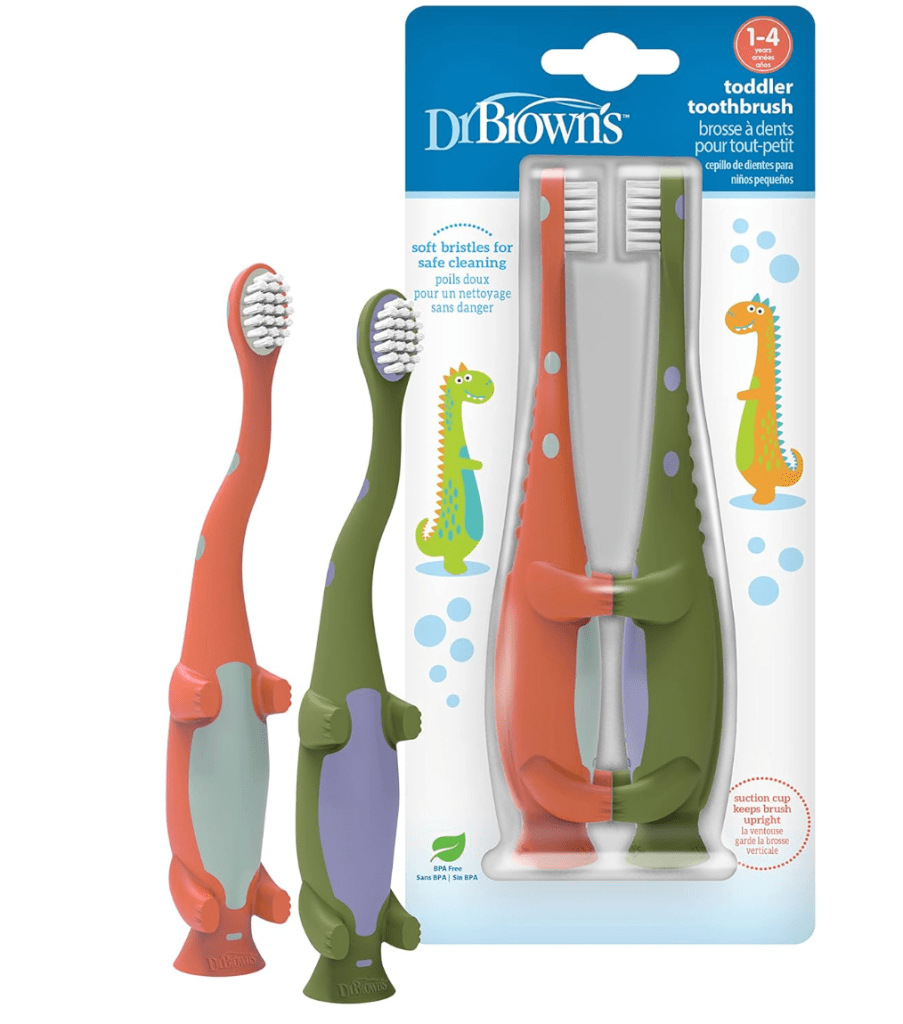
By 30 months, most kids have all their baby teeth, and by age 3, they should stop using pacifiers or thumb-sucking. Start brushing with a small amount of fluoride toothpaste at age 2 and teach your child to spit it out. Help them brush until they can do it well on their own—usually around age 6 or 7. Keep checking their teeth for white or brown spots and visit the dentist regularly. If your child still sucks their thumb or pacifier after age 3, talk to your dentist.
Toothbrush & Toothpaste Guide
- Pick a child-sized toothbrush (small oval head, soft bristles, cushioned grip).
- Replace every 3–4 months or when bristles fray.
- Store upright and let air-dry.
- Start with low-fluoride toothpaste at age 2, pea-sized amount.
Right Brushing Technique for kids
The six steps show you how to brush your child’s teeth correctly (18 months to 6 years):
- Smear a pea-sized amount of toothpaste onto a soft children’s toothbrush.
- Sit the child in your lap, facing away from you, or stand behind taller
children. Tilt the child’s head back against your body so you can see all the
surfaces of the teeth. - Angle the bristles of the toothbrush toward the gum. Move the brush in
gentle circles to clean the outer sides of the teeth and gums. - Rush in gentle circles on the inside of the teeth and gums.
- Brush back and forward on the chewing surface of the teeth.
- After brushing all the surfaces, encourage your child to spit out the
toothpaste.
Habits & Diet for Oral Health
- No bedtime bottles with milk/juice.
- Avoid candy, dried fruit, sweet drinks between meals.
- Encourage balanced meals; reserve sugary foods for mealtimes.
- Healthy snack swaps: yogurt, cheese, fruit, whole-grain bread.
- Thumb/finger sucking beyond age 5 → may cause misalignment, overbite, or speech issues. Dentists may recommend small appliances to help break the habit.
Checklist for Parents
✔ Clean gums before teeth erupt
✔ No bottle in bed / no juice at night
✔ First dental visit by age 1
✔ Brush with fluoride toothpaste from age 2
✔ Replace toothbrush every 3–4 months
✔ Watch for spots or unusual teeth changes
✔ Encourage healthy snacks and water
✔ Break thumb-sucking by preschool age




 Lukewarm Mom
Leave a comment