Seasonal allergies in kids can be confusing and exhausting for parents, especially when symptoms like constant sneezing, runny noses, congestion, and poor sleep don’t go away for weeks. What looks like a recurring cold often turns out to be allergies—and when the usual remedies don’t help, it can feel frustrating and helpless. This is what finally worked for us when nothing else seemed to.
Why Seasonal Allergies in Children Matter to Me as a Parent
I’ve struggled with seasonal allergies my whole life — sneezing, congestion, itchy throats, every season. It was always brushed off as “just a phase,” and I had to deal with it myself.
Looking back, I often wonder: would my childhood have felt different if someone had helped me manage seasonal allergies better? If the symptoms hadn’t been brushed off as “just a phase”?That’s why, when my daughter has a runny nose or my son coughs during allergy season, I pay attention. I read, experiment, and check with the doctor.
There’s no magic cure for seasonal allergies in kids, but symptoms can be managed. With the right habits and routines, children can sleep better, focus in school, and feel comfortable in their own bodies — and that’s what they deserve.
Common Seasonal Allergy Symptoms in Kids
Seasonal allergies in children often show up in more ways than just a runny nose or sneezing. Recognizing these signs early can help manage symptoms and prevent discomfort.
1. Constant Sneezing or Runny Nose
Especially every morning or during a particular season
Often watery, not accompanied by fever
2. Itchy, Puffy, or Red Eyes
Rubbing, watering, or morning puffiness
Often mistaken for tiredness or screen-time strain
3. Persistent Cough (Especially at Night or Early Morning)
Dry, repetitive cough not caused by infection
Triggered by postnasal drip or mild airway inflammation
4. Phlegmy Throat or Frequent Throat Clearing
Caused by sinus mucus dripping
Common in kids who struggle to blow their nose
5. Wheezing or Chest Tightness
Mild seasonal wheezing or allergy-related asthma
Triggered by pollen, dust mites, or weather changes
Usually occurs without fever
6. Skin or Eczema-Like Reactions
Cracked, itchy, or dry patches on feet, hands, or elbows
Can be linked to dust, mold, or detergents
7. Fatigue, Poor Sleep, or Restlessness
Nighttime congestion, sneezing, or itching affects rest
May lead to mood changes, irritability, or trouble focusing
👩👧 Why This Matters as a Parent:
You’re not overthinking it — even “small” allergy symptoms can affect a child’s sleep, mood, focus, appetite, and energy. If these signs appear repeatedly during seasonal changes, it’s worth exploring allergy testing and management.
Having lived with unmanaged allergies myself, I know how comforting it is to put a name to what’s bothering you. When my kids started showing sniffles and lingering coughs, I asked our pediatrician about testing. While triggers like pollen or dust aren’t always avoidable, we can still prepare and manage symptoms mindfully.
As a parent, even small routines — from nasal hygiene to sleep adjustments — can make a huge difference in helping children manage seasonal allergies effectively.
🧪 Should You Do an Allergy Test for Your Child?
✅ When an Allergy Test Is Helpful
Suspected food allergies: Hives, swelling, vomiting, or trouble breathing after foods like peanuts, milk, eggs, fish, or wheat. Testing helps guide diet changes and lifesaving precautions (e.g., EpiPen).
Recurrent skin reactions or eczema: Flare-ups triggered by foods, pet dander, dust mites, or soaps. Testing identifies triggers for targeted management.
Breathing issues or asthma-like symptoms: Allergies can worsen asthma; testing can guide medication and home modifications.
Multiple mild symptoms without a clear cause: Year-round or seasonal sneezing, itchy eyes, or congestion. A test may reveal triggers like pollen or dust and allow precise symptom management.
❌ When an Allergy Test Does Not Help
Triggers are unavoidable: Dust, pollen, cold air — knowing the trigger doesn’t always change management.
Symptoms are mild and manageable: Occasional runny nose, mild cough, or minor skin issues.
Children under age 2: Some tests are unreliable; management is often trial-and-error.
💭 Why Knowing Still Matters
Even if you can’t avoid the trigger completely, testing helps you shift from guessing to managing intentionally. For example:
Knowing it’s dust mites → focus on weekly bedsheet washing, mattress protectors, and avoiding carpets instead of random remedies.
🧒 What You Can Do Without a Test
Keep a symptom journal: note dates, weather, foods, and symptoms.
Consult a pediatrician or allergist for treatment based on observed patterns.
Simple Routines That Helped Manage Kids’ Seasonal Allergies
A) Environment Strategies
🧴 Sodium Chloride (Saline) Nasal Solution
Used to:
Moisturize dry nasal passages
Wash out allergens like pollen, dust, or smoke
Clear mucus and reduce congestion
Use a 0.9% (normal) saline solution — gentle and safe for kids.
Saline Nasal Spray ( Affiliate Marketing)
🧒 Is It Safe for Kids? Yes — very safe, even for babies and toddlers. You can use a pre-made saline spray or dropper daily during allergy season to help flush out pollen, dust, and mucus. Pediatricians often recommend it as a first step before any allergy medication.
Humidifiers (or Dehumidifiers) for Kids with Seasonal Allergies
A humidifier adds moisture to the air, which can help:
Ease dry nasal passages and throat
Loosen mucus and reduce irritation
Improve sleep for kids with congestion
Tip: A humidifier is a supportive tool — it doesn’t remove allergens like pollen, dust, or mold. Improper cleaning can make symptoms worse.
✅ When It Helps
Dry indoor air (winter or air-conditioned rooms)
Kids waking up with dry noses, mouth breathing, or dry cough
Dry skin or eczema alongside nasal allergies
❌ When You Might Not Need One
Your home is already humid (40–50% is ideal)
Allergy triggers are mainly pollen, dust mites, or mold — in that case, consider:
Air purifiers
Dehumidifiers (especially in humid climates or monsoon season)
🧒 Safety Tips for Kids
Use distilled or boiled & cooled water
Clean the tank regularly to prevent mold or bacteria
Place out of reach, especially warm-mist models
Avoid over-humidifying (too much moisture encourages dust mites/mold)
Humidifier for baby bedroom (Affiliate Marketing)
Allergy-Proofing the Home — Small Changes, Big Relief
When allergies become a part of daily life, home turns into your first line of defense. I slowly started noticing the small things — how a dusty curtain or an old pillow could trigger sneezes, how damp corners worsened my son’s cough. That’s when I began allergy-proofing our space — not a perfect makeover, but intentional little changes. We swapped heavy drapes for washable blinds, vacuumed mattresses, washed bedding in hot water weekly, and kept soft toys sun-dried and minimal. I even began wiping surfaces more often and making sure no shoes walked into the bedroom.
None of it felt like a miracle fix, but together, these steps created a lighter, cleaner space — and I noticed my kids breathing a bit easier. In a world full of unavoidable allergens, home can be the one place we can truly control.
Wash Up & Change: A Simple Habit That Reduces Allergy Triggers in Kids
One thing I’ve gently trained my kids (and myself) to do after coming home from school or an outing is to wash up and change clothes. It might seem small, but during allergy season, it makes a real difference. Pollen, dust, and pollution cling to clothes, hair, and skin — especially after playing outdoors or spending time in crowded places.
So the moment they step inside, I ask them to leave shoes at the door, change into fresh clothes, and wash their hands and face, sometimes even rinse their nose with a saline spray if the day’s been particularly dusty. It takes just a few minutes, but it helps keep all those invisible irritants from spreading through the house — or lingering on their beds, pillows, or school bags.
It’s not about being obsessive — it’s just one more gentle step toward making home a safer space for kids with sensitive systems.
Less Scent, More Sense — Why We Avoid Strong Fragrances for Kids with Allergies
I used to love scented laundry detergents and room sprays — they made everything feel “clean” and cozy. But when my daughter started reacting with sneezes and itchy eyes after every wash or bath, I began to notice a pattern. Many scented products contain strong chemicals that can irritate sensitive noses, especially in kids with allergies or asthma.
Now, we’ve switched to fragrance-free or mild, natural alternatives — in soaps, shampoos, detergents, even cleaning sprays. The house may not smell like lavender all the time, but it’s more peaceful. And honestly, nothing smells sweeter than a child who can breathe easy.
B) Body Support & Comfort Habits
Honey for mild coughs
Sometimes, when my son coughs for days on end — just mild enough that I hold off on the syrups — I reach for honey. Just a spoon, and somehow it feels like enough. That’s when I started reading more about local honey and its possible benefits for kids with seasonal allergies.
The idea is simple: local honey contains trace amounts of pollen from the plants growing around us. By consuming it regularly, the body may gradually become less reactive to those allergens — kind of like a gentle, natural version of allergy desensitization. While science hasn’t fully confirmed this theory, many parents (myself included) feel that honey helps reduce sneezing, itchy throat, or mild seasonal coughs, especially during pollen-heavy months.
The key is to use raw, unprocessed honey from your local area — ideally from a small farm or trusted source nearby. Start with just a small daily amount, like half a teaspoon, and observe gently.
⚠️ Note: Honey is only safe for children over 1 year old — never give honey to babies, due to the risk of infant botulism.
Warm Water at Night — A Simple Comfort That Helps
Stainless steel insulated water bottle (Affiliated Marketing)
One of the gentlest things I do for my kids — and myself — during allergy season is offer a small cup of warm water before bedtime. It’s not just soothing; it actually helps. Warm water can loosen mucus, ease the throat, and make it easier to breathe through the night. Especially after a day of coughing or dealing with a runny nose, this little ritual feels like a reset.
Sometimes I add a pinch of turmeric/ginger or a drop of honey (if it’s safe for the child’s age), but most nights, it’s just plain warm water — quietly working its way through the congestion. More than anything, it’s a moment of calm — a pause — before sleep, and a way to tell their bodies, you’re cared for.
A Dab of Vaseline or Coconut Oil Can Go a Long Way
There’s one little habit I’ve picked up during allergy season — just before my kids head out the door, I gently dab a bit of Vaseline or coconut oil around their nostrils. It’s such a simple step, but surprisingly effective. That tiny layer acts like a protective barrier, trapping dust, pollen, and other airborne irritants before they can enter the nose and trigger sneezing or congestion.
For my daughter, who often wakes up with a stuffy nose, this trick has become part of our morning routine — almost like applying sunscreen before the sun. And when we use cold-pressed coconut oil, it even doubles as a soothing, natural moisturizer for dry or irritated skin around the nose.
It may not seem like much, but in a season where every sneeze feels like a storm brewing, this small layer of comfort often makes a real difference.
Stronger Tummies, Fewer Allergies — Supporting Gut Health in Kids
Over time, I’ve learned that a healthy gut plays a surprising role in managing allergies. Our digestive system is home to billions of bacteria that help regulate the immune response — and when that balance is off, kids may become more sensitive to allergens in their environment or food. That’s why I now pay more attention to what goes into their little tummies.
We try to include curd (yogurt), fermented foods like idli and dosa, fruits, and fiber-rich veggies in their daily meals. Sometimes, when they’re recovering from antibiotics or falling sick often, I even ask the pediatrician about probiotics. These small steps, over time, help build a gut that’s not only strong but smarter — one that knows what to fight and what to let go.
C) Tracking & Medical Input
The Power of a Symptom Journal — Tracking Seasonal Allergy Symptoms in Kids
There was a time when my son kept getting a cough every few weeks, and I couldn’t figure out what was triggering it. That’s when I started keeping a simple symptom journal — just a notebook where I’d jot down what he ate, where he went, the weather, and how he was feeling each day. Over time, patterns started to emerge. I noticed certain foods made him more phlegmy, or how a dusty day at school always led to a runny nose the next morning.
A symptom journal doesn’t have to be fancy — just consistent. It helps you spot hidden triggers, track medicine response, and even offer your pediatrician better information. Most importantly, it gives you a sense of control when everything feels unpredictable. Because when it comes to allergies, small clues can lead to big insights.
When to Consult an ENT Doctor
Sometimes, persistent nasal congestion in children isn’t just due to seasonal allergies. If routines like saline rinses, humidifiers, and steam don’t help, it may be worth consulting an ENT doctor to check for enlarged adenoids.
Nasal Aspirator for baby and toddler. Parent can help them unclog their nose using this. (Affiliate Marketing – but you need this)
What Are Adenoids?
Small tissue pads at the back of the nasal passage, like tonsils but higher up
Can enlarge due to frequent infections or allergies
May block airflow, causing mouth breathing, snoring, nasal voice, or constant congestion
💊 How an ENT Can Help
Examines nasal passages and monitors symptoms
May recommend a pediatric nasal corticosteroid spray (safe when used as prescribed, works in 2–4 weeks)
Provides guidance on whether further scans or treatment are needed
📌 When to Consider an ENT Check
Constant nasal block even without a cold
Mouth breathing or snoring at night
Restless sleep, nasal voice, or bad breath
Frequent sinus infections or poor response to allergy routines
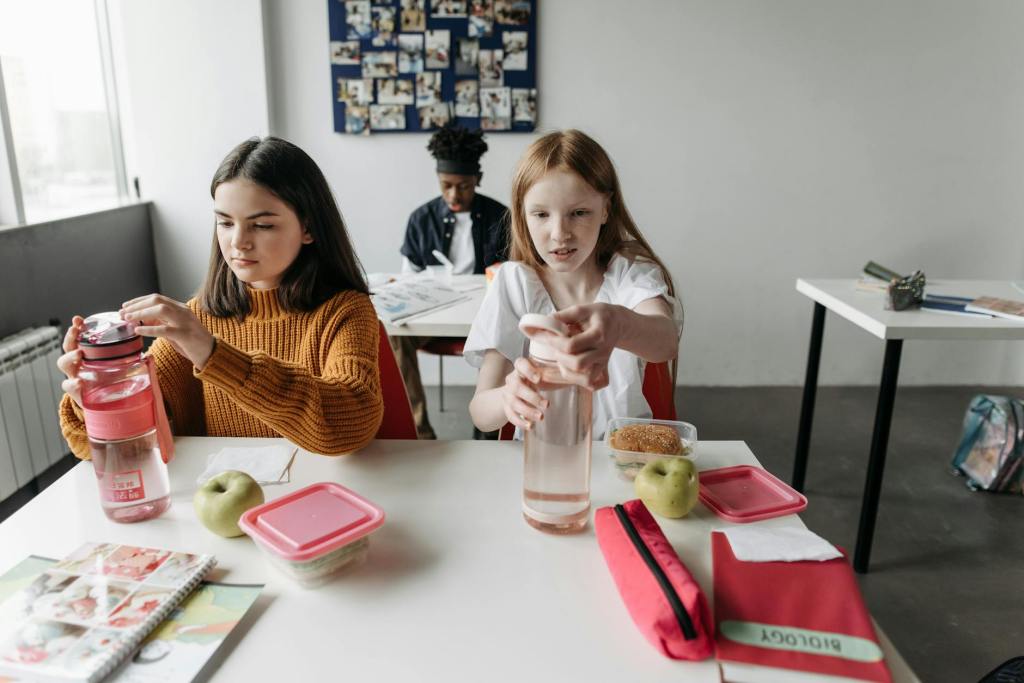
Wipe down backpacks and lunch boxes regularly — they carry allergens in from school or outdoors.
Skip the carpet if you can — or vacuum with a HEPA filter weekly.
Keep pets off the bed (even if it’s hard!) — fur and dander can sneak into the lungs quietly.
Dry laundry indoors during high pollen days — especially in spring or early monsoon.
Use breathable cotton bedding — easier to wash and gentler on skin.
Teach your kids to sneeze into their elbow — it’s a small habit that protects everyone.
Let sunlight in — it naturally reduces mold and dust mites in damp corners.
Sometimes, in the quiet of the night, I wonder if I’ve missed something — some hidden trigger, some forgotten remedy, some perfect routine that would make my children breathe easier. Allergies have a way of making us second-guess everything — the air they breathe, the food they eat, even the rain outside. But in the end, we do what all parents do: we watch, we learn, we adapt, and we love fiercely through it all.
I may not be able to wrap my kids in a bubble, but I can give them clean sheets, warm water, soft words, and a home that tries — every single day — to be just a little safer. And maybe, just maybe, that’s enough.
When It’s Not Just Seasonal Allergies in Children
Seasonal allergies in children can mimic common colds, making it tricky to know when to worry. Here are a few signs that your child’s symptoms might not be just seasonal allergies:
Persistent fever: Allergies rarely cause high fever.
Sudden onset of symptoms: Allergies usually come on gradually or seasonally.
Thick or discolored nasal discharge: Allergies usually produce clear, watery mucus.
Worsening cough or breathing difficulties: This may indicate an infection or asthma flare.
Symptoms outside allergy season: Sneezing and congestion that appear in unexpected months may require medical evaluation.
If you notice any of these signs, it’s best to consult your pediatrician. Early guidance helps distinguish allergies from colds, sinus infections, or other conditions, and ensures your child gets the right care.
Here’s to healthier days, fewer sneezes, and children who can breathe free — in every season. 🌿
If your little one is just starting to sniffle, sneeze, or struggle with congestion, you’re not alone. For more tips, tricks, and real-life strategies for baby and toddler care, visit our Baby & Toddler Parenting section — everything from sleep and feeding to seasonal allergies, all from a mom’s perspective.




 Lukewarm Mom
Leave a comment