

Every parent has heard it — “I’m bored!” Sometimes it comes on a rainy afternoon, sometimes during school holidays, and sometimes just after you’ve set down your coffee.
As a parent who grew up in the era when “too much TV will ruin your eyesight” was the biggest warning, I didn’t actually watch much television myself. Back then, that meant missing out on school conversations and not knowing the latest songs everyone was talking about. Maybe that’s why I’ve never been the type to snatch a phone or tablet away from my kids in a hurry. Still, I’ve always cared enough to make sure they watch the right kind of content—even if the endless scroll of short videos sometimes leaves me disappointed.
When my daughter says, “I’m bored” for the tenth time in a day, I can’t quite relate. My own childhood in the village was never boring—surrounded mostly by relatives rather than friends, with no screens to keep me busy. I could sit by myself for hours, lost in my own thoughts or little games, and never once feel the need for constant entertainment.
Sometimes, though, the guilt creeps in. Is the screen time actually making her boredom worse? Is our apartment life—with its walls, fixed routines, and limited outdoor freedom—robbing her of something her brain is wired to crave, as evolutionary psychology might suggest? I find myself wondering if she’s missing the open spaces, the unstructured play, and the easy connection with nature that I took for granted as a child.
But then I remind myself—boredom isn’t the enemy. In fact, many psychologists argue it’s a gift. When kids aren’t constantly entertained, their minds are free to wander, create, and problem-solve. The discomfort of “I’m bored” can be the very spark that pushes a child toward imagination, resilience, and self-discovery.
The tricky part today is that screen time changes what boredom feels like. With a phone or tablet nearby, relief from boredom is just a swipe away. This instant gratification rewires the brain to expect constant stimulation, making regular, quiet moments feel uncomfortable. That’s why, when the screen is off, kids can struggle to figure out what to do with themselves. The contrast between fast-paced videos and the slower pace of real life makes boredom feel heavier—and sometimes more frustrating—for them than it did for us growing up.
Helping Kids Cope with Boredom (Without Turning It into a Battle)
Normalize Boredom
Boredom isn’t a crisis that needs an instant fix — it’s a natural pause where creativity has the chance to bloom. When children learn that it’s okay to feel “nothing to do” moments, they stop expecting constant entertainment and start discovering their own ideas. You can even share small stories from your own childhood about times when boredom nudged you into inventing games, making crafts, or finding adventures in the simplest places.
Movement Breaks & Mindfulness Challenges
A restless body often fuels a restless mind, so short bursts of movement can reset their mood and energy. Set up playful challenges like balancing a book on their head while walking across the room, tiptoeing from one end to another without making a sound, or pouring water from one cup to another without spilling. These activities sharpen focus, improve balance, and give kids a sense of achievement — all while feeling like a game instead of a chore.
If you want to help your child build calm and focus, check out my detailed guide on Mindful Kids: Planting Calm in Busy Little Minds. It’s full of easy, fun exercises you can do together at home.

Simple At-Home Tasks That Feel Like “Grown-Up Work”
Kids often love doing things that make them feel important and capable. Give them model “adult” chores they can handle — like cleaning up their study table, tidying the toy box, or creating a mini first-aid box for their toys. Let them give a “bath” to washable toys, dust shelves, or help with sorting laundry. The goal isn’t perfection, but to channel their boredom into small accomplishments that build responsibility and pride.

Creative & Cultural Fun
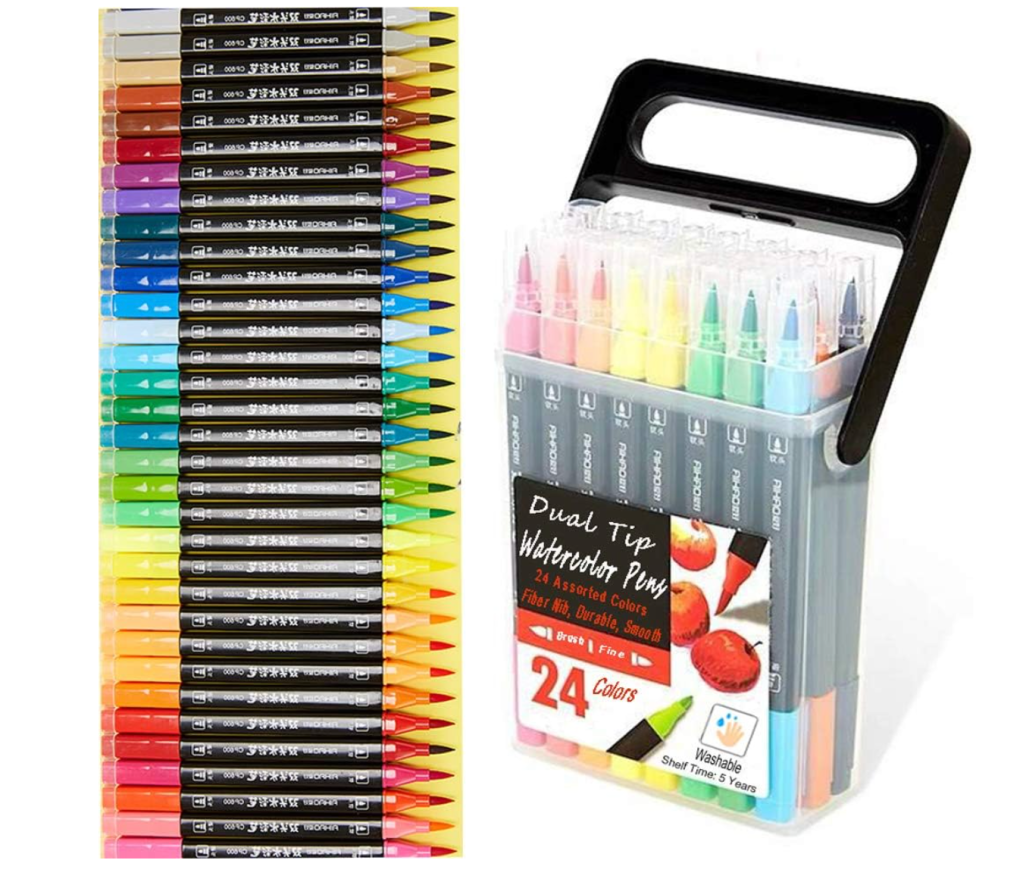
Boredom can be the perfect doorway to exploring traditions and creativity. Encourage kids to make a flower rangoli, design greeting cards for friends, or try their hand at simple crafts. They can decorate old jars as pen holders, create colorful bookmarks, or even paint pebbles. Activities like these let them explore art, connect with cultural roots, and experience the joy of making something with their own hands.
Entertainment That Inspires
Screen time doesn’t have to mean endless shorts or mindless scrolling. Introduce children to well-made, age-appropriate animation films and documentaries that spark curiosity and imagination. You can even create a “family movie night” tradition where you watch and discuss the story together. This way, they learn to enjoy quality entertainment while also picking up values, creativity, and new ideas.

Planning & Organizing Skills
Encourage kids to plan and manage small projects on their own. They could create a personal calendar to mark important events, track hobbies, or count down the days to their birthday. They could choose their next toy from amazon within the given budget. They could make a chart with processes to be followed to keep their room clean. These activities teach them responsibility, time management, and the satisfaction of seeing a task through to completion.

The Joy of Playdates and Outdoor Games
Whenever possible, inviting a friend over for a playdate or stepping outside for simple outdoor games can be a wonderful way to break the monotony of boredom. Social interaction helps children develop communication skills, teamwork, and empathy. Even a short game of catch, hide-and-seek, or a walk in the park can refresh their energy and spark new ideas for indoor play afterward. While indoor activities build focus and creativity, a balance of outdoor fun and friendships adds valuable variety to a child’s day.

Helpful Tools & Resources to Keep Boredom at Bay
If you’re looking for simple supplies to support these activities, consider stocking up on art kits, building blocks, or sensory toys—perfect for encouraging creativity and focus at home. These tools not only make boredom-busting fun but also foster developmental skills that last a lifetime.

Boredom can feel frustrating for both kids and parents, but it’s also an invitation—to slow down, to get creative, and to grow. By embracing boredom as a natural part of childhood and offering thoughtful activities that build focus, imagination, and responsibility, we help our children develop skills that go far beyond simply “passing the time.”
Remember, the goal isn’t to fill every moment with noise or screens but to give kids the tools and space to explore their own ideas. With patience, creativity, and a little guidance, boredom can become the starting point for some of their most memorable adventures.
Here’s to turning “I’m bored” into “I’m inspired!”





Leave a comment