

Artificial Intelligence, or AI, might sound like something only scientists or big tech companies use, but these days, it’s becoming a normal part of everyday life — even for kids! You might have noticed how voice assistants like Alexa or Google Home can answer questions, play music, or help with simple homework tasks. There are also lots of fun apps and games that use AI to teach children how to code, solve puzzles, or get creative with art and stories.
AI helps make learning more interactive and personalized, so kids can explore new ideas at their own pace. But since AI is such a powerful tool, it’s important for parents and caregivers to guide children on how to use it safely and wisely. After all, while AI can do amazing things, kids still need to learn how to think critically about it and understand its limits.
Why Artificial Intelligence Matters for Children
Interactive Learning: AI makes learning more fun and personalized for kids. It can adjust lessons based on how fast they understand a topic, helping them learn at their own pace. This keeps kids engaged and motivated, turning education into an exciting adventure!
Boosts Creativity: AI tools inspire kids to use their imagination in new ways. Whether it’s creating stories, drawing pictures, or composing music, AI can help bring their ideas to life. This encourages children to explore and express themselves creatively every day.
Prepares for the Future: Learning about AI today helps kids get ready for tomorrow’s world, where technology is everywhere. Understanding how AI works gives them important skills for future jobs and everyday life. It’s like building a strong foundation for success in a digital age.
Fun & Safe Ways Kids Can Use AI
AI Story Generators
AI story generators are fun digital tools that help kids create their own stories with a little help from artificial intelligence. Instead of starting from scratch, children can give the AI a few ideas — like characters, settings, or themes — and the AI will suggest sentences, plot twists, or even whole paragraphs. This makes storytelling exciting and less intimidating, especially for kids who might feel stuck or unsure where to start.
Using AI story generators sparks creativity by encouraging children to think about different ways a story can unfold. It also helps improve their language skills and imagination. Plus, because the AI can instantly provide new ideas, kids can experiment with endless story possibilities and even rewrite or expand their tales.
Parents can join in the fun by reading the stories together, asking questions about what happens next, or helping children edit their AI-assisted creations. It’s a great way to bond while nurturing a love for writing and storytelling!

Math & Science Helpers
AI-powered math and science helpers are smart tools designed to support kids when they’re learning tricky concepts or solving problems. These apps and chatbots can explain difficult topics in simple, easy-to-understand language, often breaking down steps one at a time so children don’t feel overwhelmed.
For example, if a child is stuck on a math problem or curious about how a science experiment works, the AI helper can offer clear explanations, give examples, and even guide them through practice questions. This personalized support makes learning feel less frustrating and more like a fun challenge.
Because AI adapts to each child’s pace and level, it can focus on areas where they need extra help, making study time more effective. Parents can also use these tools to reinforce lessons and encourage curiosity, turning homework into a more positive experience.

Language Learning Bots
Language learning bots are AI-powered virtual tutors that help kids practice new languages in a fun and interactive way. These chatbots can talk with children, listen to their pronunciation, and respond with helpful corrections or encouragement, making language practice feel like a natural conversation rather than a lesson.
Kids can learn vocabulary, grammar, and common phrases by playing games, answering questions, or even telling stories with the bot. Because the AI adjusts to each child’s skill level, it provides just the right amount of challenge to keep them motivated without feeling overwhelmed.
Using language bots also allows kids to practice anytime, anywhere—whether at home or on the go. Parents can feel confident knowing these bots offer a safe, supportive environment for language learning that complements traditional teaching methods.
Coding games
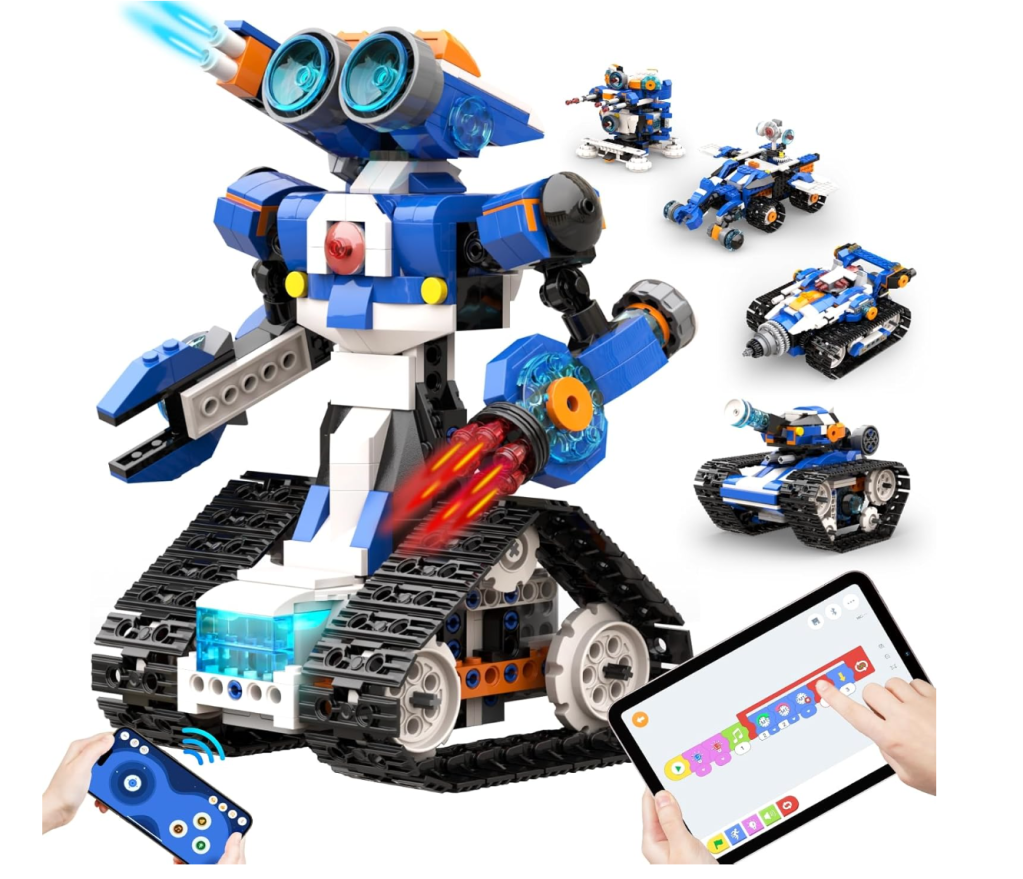
Coding games are fun, interactive apps or platforms that teach kids the basics of computer programming through play. Instead of writing complicated lines of code, children solve puzzles, complete challenges, or build virtual worlds using simple drag-and-drop blocks or guided instructions.
These games help kids develop important skills like problem-solving, logical thinking, and creativity—all while having a great time. As they progress, many coding games introduce more advanced concepts step-by-step, making the learning journey smooth and encouraging.
By playing coding games, kids not only learn how technology works behind the scenes but also gain confidence in their ability to create and control digital experiences. Plus, coding skills are valuable for many future careers, so these games provide a strong foundation early on.

Safety First – Parenting Tips
Supervised Use – Always explore AI tools together with your child.
Age-Appropriate Platforms – Choose kid-friendly AI apps with strict privacy controls.
Talk About AI’s Limits – Explain that AI doesn’t “know” everything and can make mistakes.
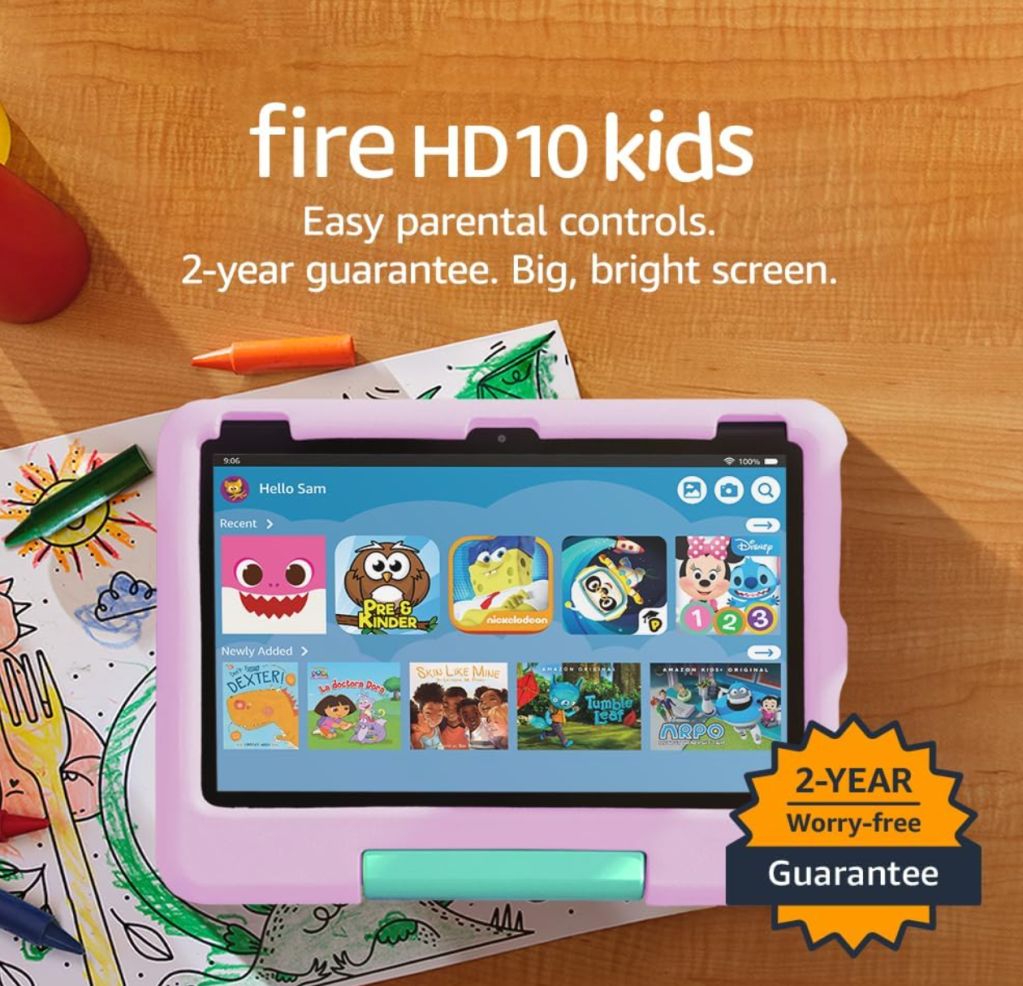
Balance Screen Time – Encourage offline activities alongside digital learning.
Teaching Kids to Think Critically About AI
Children should learn not just how to use AI, but how to question it. Guide them to:
- Verify answers from multiple sources.
- Recognize when an AI-generated response sounds strange or biased.
- Understand the difference between human creativity and machine assistance.

Best AI Tools for Kids – Fun, Learning & Creativity
Here are some safe, age-appropriate AI-powered tools and apps that can help children learn, create, and explore.
| Tool / App | Age Group | What It Does | Why It’s Good for Kids |
|---|---|---|---|
| Scratch (by MIT) | 7+ | Lets kids code stories, games, and animations using visual blocks. | Teaches coding logic without typing complex code. |
| Quillionz Kids | 8+ | AI-generated quizzes and questions for learning. | Makes studying interactive and fun. |
| ChatGPT Kids Mode (or with parent supervision) | 9+ | Chat-based AI that answers questions, helps with stories, explains concepts. | Great for learning if supervised and guided. |
| Osmo | 5–12 | Combines AI with physical play (puzzles, drawing, math games). | Balances screen and hands-on activity. |
| Socratic by Google | 10+ | AI homework helper that explains answers step-by-step. | Encourages understanding, not just answers. |
| Tynker | 7+ | Game-based coding lessons and AI story creation. | Builds logic and creativity in a playful way. |
| Doodle AI | 6+ | Turns children’s doodles into digital art. | Boosts confidence in artistic expression. |
| Lingokids | 4–8 | AI-powered English learning through songs and games. | Language skills + fun storytelling. |
AI can be a powerful friend in your child’s learning journey — if introduced wisely. By blending curiosity with caution, parents can help kids enjoy the benefits of AI while developing the skills they need to navigate the digital world with confidence.




 Lukewarm Mom
Leave a comment