
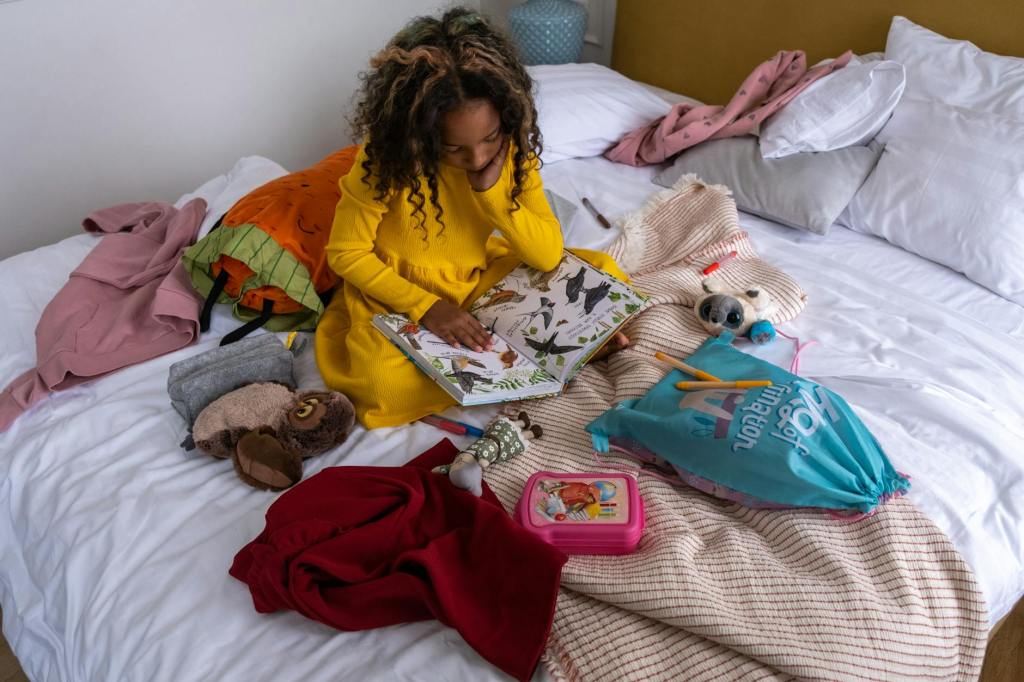
Many parents worry about leaving their child home alone, even for short periods. While independence is important, safety, engagement, and routine are key. With the right preparation, children can learn responsibility while staying safe and comfortable.
1. Ensure Safety First
Before leaving a child alone, make sure the environment is safe:
- Set clear rules: Explain what is and isn’t allowed, such as no cooking, no opening doors to strangers, and no climbing on furniture.
- Emergency plan: Teach them how to contact parents, neighbors, or emergency services in case of any problem.
- Secure hazards: Keep cleaning supplies, knives, scissors, and medications out of reach.
- Child-proofing: Check that windows, doors, and electrical outlets are safe.
2. Provide Engaging Activities
Children need activities to keep them occupied and reduce boredom:
- Quiet play: Coloring books, puzzles, building blocks, or reading time.
- Independent learning: Educational apps, workbooks, or simple science experiments.
- Physical activity: Indoor movement like dancing, yoga, stretching, or simple jumping games.
- Creative play: Drawing, crafting, or storytelling to stimulate imagination.
3. Structure & Routine
A predictable routine helps children feel secure:
- Set a schedule: Include snack time, playtime, reading, and check-in periods.
- Timers or alarms: These can remind your child when to switch activities or check the time.
- Consistency: Stick to the schedule as much as possible so your child knows what to expect.
4. Check-In Regularly
Even if your child is home alone, regular communication ensures safety and reassurance:
- Phone or video calls: Check in periodically and encourage your child to share updates.
- Neighbor or sibling support: If possible, someone nearby can check in or be available in case of emergencies.
5. Encourage Responsibility Gradually
- Start with short periods alone (10–20 minutes) and gradually increase as your child gains confidence.
- Praise their efforts and success in following rules and managing themselves.
- Teach problem-solving skills so they know how to respond in unexpected situations.
6. Extra Tips for Parents
- Keep emergency contacts visible and accessible.
- Prepare simple, healthy snacks ahead of time.
- Use checklists for tasks like homework, tidying up, or reading to give your child a sense of accomplishment.
Leaving a child home alone can feel stressful, but with preparation, guidance, and clear rules, it can also be a valuable opportunity for them to learn independence. Focus on safety, structured activities, and gradual responsibility, and you’ll help your child develop confidence while keeping them secure.




 Lukewarm Mom
Leave a comment