

Helping kids trust themselves and make confident choices
The other day, my 6-year-old came home and told me her friend had suggested she should get fluffy notebooks next time. It wasn’t meant to be unkind, just a casual comment from a friend. But it made me realize—this is the beginning of something bigger: peer pressure.
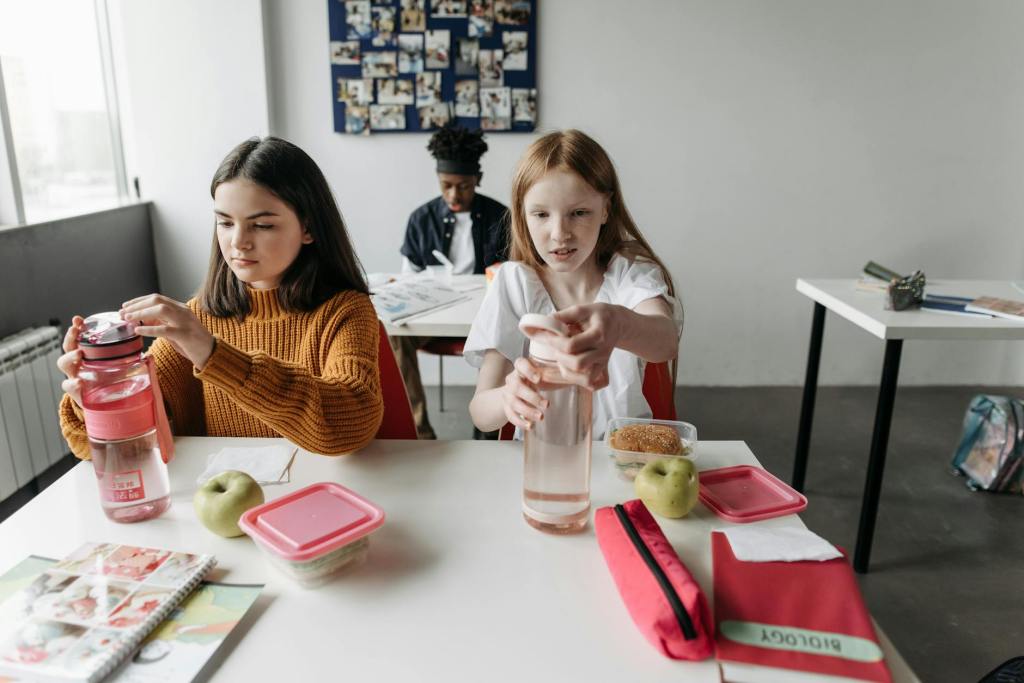
When kids are between ages 6–8, they start noticing what their friends are doing, wearing, or bringing. They compare, copy, and sometimes even tell each other what they “should” do. It can be about backpacks, toys, hairstyles, or even which shows they watch.
For parents, it feels early. But these moments are valuable—they are our children’s first lessons in handling outside influence and learning to trust their own voice.
🌱 Understanding Peer Pressure in Young Kids
When we hear “peer pressure,” we usually think of the teenage years. But in truth, it begins much earlier—and in subtle ways.
- Positive examples → A child might be encouraged to eat vegetables because her friends do, or to study harder because the class is competing in spelling.
- Negative examples → A child might feel pressured to drop a favorite toy, stop watching a beloved show, or change their style just to “fit in.”
So while not all peer pressure is bad, young children need guidance to recognize when to follow and when to stand firm.
👩👧 How Parents Can Help Kids Handle Peer Pressure
1. Keep the Conversation Open
Instead of dismissing what friends say, ask your child:
- “How did you feel when your friend told you that?”
- “Do you want to try it, or do you like what you already have?”
This shows your child that their opinion matters most.
2. Empower Them With Choice
Gently remind them:
“Friends can have ideas, but you get to decide what makes you happy.”
This builds independence and reduces the need for approval.
3. Normalize Differences
Teach that friends don’t have to be the same in everything.
- “She likes glitter backpacks, and you love your blue one. Both are great!”
4. Highlight Positive Influence
Point out that some peer pressure can be good:
- “It’s wonderful if your friends encourage you to eat carrots or read more. Those are good habits!”
This helps your child see the difference between healthy and unhealthy influence.
5. Model Confidence Yourself
Kids learn by watching. If you confidently make your own choices—even when others disagree—they’ll pick up on it.
🌸 The Bigger Picture
What starts with lunchboxes, shoes, or backpacks is practice for bigger decisions later. Today it’s about glitter sneakers; tomorrow it could be about study habits, friendships, or lifestyle choices.
By teaching our kids to recognize influence and choose for themselves, we prepare them for the teenage years and beyond.
✨ Takeaway for Parents:
Peer pressure isn’t always bad. We don’t mind if it encourages our kids to eat their vegetables or study harder. But when it challenges their sense of self, that’s when they need our support the most.
Raising confident kids doesn’t mean isolating them from influence—it means teaching them to listen, think, and then decide what feels right for them.
Peer influence is a powerful force in a child’s life, shaping choices, confidence, and behavior as they grow. Helping kids navigate these social pressures ties directly into their emotional growth and behavior. For more insights on emotional development, behavior patterns, and supportive parenting strategies, explore our Emotional Growth & Behavior pillar.



Leave a comment