
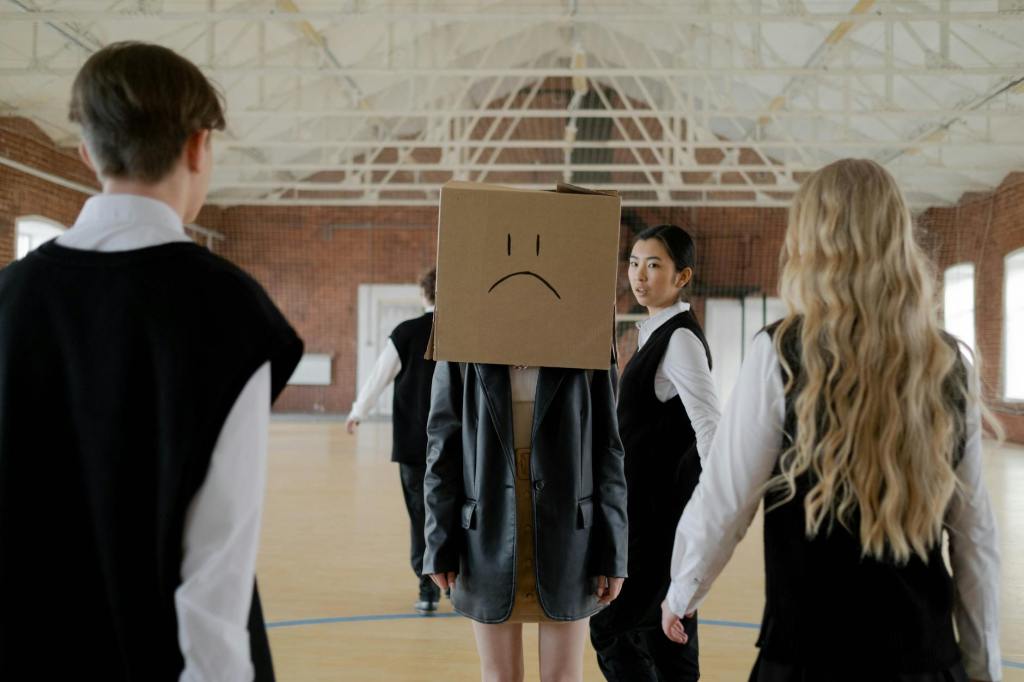
As parents, nothing is more painful than watching your child suffer. Bullying — whether in school hallways, classrooms, playgrounds, or through cyberbullying online — can leave kids feeling anxious, ashamed, or isolated. In today’s digital world, bullying doesn’t always stop when the school day ends; it can follow children into their homes through phones, tablets, and social media.
The good news: parents, schools, and communities all have the power to make a difference. Children who feel supported at home are more resilient and better able to cope with bullying. At the same time, schools play a critical role in creating safe learning environments and enforcing anti-bullying policies. And when needed, families can turn to national and international hotlines, organizations, and online safety centers for expert help.
This guide brings together everything you need to know about helping kids deal with bullying: spotting the signs, supporting them at home, navigating online risks, understanding what schools can do, and knowing which resources to reach out to in the US, UK, India, Australia, and beyond.
1. Spot the Signs Early
Children don’t always say “I’m being bullied.” Sometimes the clues show up in small changes in behavior:
- Reluctance to go to school
- Frequent tummy aches or headaches, especially on weekdays
- Distress on Sunday nights or at the end of holidays
- Torn clothes or missing belongings
- Sudden changes in mood — becoming withdrawn, unusually quiet, or acting out
- Appearing upset after using their phone or computer
- Leaving for school much earlier than needed, or coming home late
👉 Take these signs seriously. They may indicate your child is trying to avoid a difficult situation.
2. Create a Safe Space to Talk
When your child opens up, the most important thing you can do is listen without judgment.
- Reassure them that telling you was the right choice.
- Let them know the bullying is not their fault.
- Promise you will not act without discussing it with them first — this helps maintain their trust.
Children often fear that adults will “make it worse.” By showing calm support, you let them know they are not alone.
3. Teach Healthy Ways to Respond
Retaliation — like hitting or yelling back — usually makes things worse. Instead, help your child practice:
- Standing tall, making eye contact, and using a firm voice.
- Simple responses like:
- “Stop. That’s not okay.”
- “Leave me alone.”
- Walking away and finding a safe friend or adult nearby.
Role-play at home so your child feels more confident using these strategies.
4. Work With the School
Schools in the U.S. are required to have anti-bullying policies. If the bullying continues:
- Keep a record of incidents (dates, times, details).
- Contact your child’s teacher, counselor, or principal with these facts.
- Partner with the school to find solutions that protect your child’s safety and dignity.
Remember: every child has the right to learn in a safe environment.
5. Don’t Overlook Cyberbullying
Bullying doesn’t stop at the school gate — phones and apps can make it 24/7. Guide your child with:
- Open conversations about who they talk to online.
- Boundaries you agree on together, like no devices overnight or private accounts only.
- Practical skills — show them how to block or report someone.
- Supportive supervision — use parental controls if needed, but don’t replace communication with spying.
If you discover harmful online behavior:
- Stay calm and gather facts.
- If there’s inappropriate contact (such as sexual messages or grooming attempts), report it immediately to law enforcement or organizations. (Check the contact for your country at the end of this post).
6. Build Confidence Beyond the Bullying
Bullying can chip away at a child’s self-worth. Help rebuild it by encouraging activities where they feel strong and capable — sports, music, art, volunteering, or spending time with supportive friends. When children feel valued outside of school, they’re less defined by a bully’s words or actions.
What Schools Can Do to Stop Bullying
Parents and children can only do so much on their own. Schools play a critical role in creating safe, respectful environments where bullying isn’t tolerated. Here are some actions schools should take:
- Clear Anti-Bullying Policy
Every school should have a written policy that defines bullying, outlines consequences, and explains reporting procedures — for both students and staff. - Safe Reporting Channels
Children often fear retaliation. Schools must provide anonymous or trusted reporting systems (like a teacher, counselor, or online form) to make it easier to speak up. - Consistent Consequences
Policies must be applied fairly. Whether it’s a warning, mediation, or disciplinary action, responses should be consistent so students know bullying has real consequences. - Promote Kindness & Inclusion
Beyond discipline, schools should actively teach empathy, kindness, and respect — through classroom lessons, campaigns, and role-modeling by teachers. - Staff Training
Teachers, bus drivers, and playground monitors should be trained to spot subtle bullying behaviors (like exclusion, whispering, or cyberbullying) and step in early. - Counseling & Support
Both the child being bullied and the child engaging in bullying need guidance. School counselors can help address underlying emotional, behavioral, or social issues. - Engage Parents
Schools should keep open communication with parents — not just when there’s a problem, but also by sharing updates on school-wide initiatives against bullying. - Monitor Online Spaces
Since much bullying happens on social media, schools can collaborate with parents and platforms to address online harassment that spills over into classrooms.
Where to Get Help: Global Bullying & Online Safety Resources
If you’re supporting a child through bullying or online exploitation, here are trusted contact points across major regions to help you take swift action:
United States
- StopBullying.gov — Federal resource offering guidance on bullying prevention and response. StopBullying.gov
- NCMEC CyberTipline — Report child sexual exploitation and online threats. ICMEC
- 988 Suicide & Crisis Lifeline — For emotional crises, available via call or text. StopBullying.gov
- Hotlines for Bullying Support — Including STOMP Out Bullying, TXT 4 HELP (44357), TrevorLifeline (678678), YouthLine (877-968-8491), and Crisis Text Line (741741). Find A Helpline
- Childhelp National Child Abuse Hotline — U.S. & Canada: 1-800-422-4453. HelpGuide.org
United Kingdom
- Childline (NSPCC) — Free and confidential support for under-19s: 0800 1111 or web chat. Wikipedia
- EACH — Freephone support for LGBTQ+ youth facing harassment: 0808 1000 143. anti-bullyingalliance.org.uk
- Bullying & Cyberbullying Help (NSPCC) — Offers detailed advice and prevention strategies. NSPCC
Canada
- Kids Help Phone — 24/7 support (call 1-800-668-6868 or text 686868). HelpGuide.orgKids Help Phone
- BullyingCanada — Support and resources: 1-877-352-4497. HelpGuide.org
- Childhelp Hotline — Also accessible in Canada: 1-800-422-4453. HelpGuide.org
Australia
- Kids Helpline — 24/7 counselling for 5–25-year-olds: 1800 55 1800. Bullying No WayWikipedia
- eheadspace — Online and phone counselling for 12–25-year-olds and families: 1800 650 890. Bullying No Way
- State Parent Helplines — Examples: Parentline VIC: 13 22 89, NSW: 1300 130 052, QLD: 1300 301 300. Bullying No Way
India
- Childline – 1098 — Nationwide toll-free helpline for children in distress. WikipediaThe Times of India
- Society Against Violence in Education (SAVE) — NGO addressing bullying and ragging in schools. Wikipedia
- Cybercrime Reporting Portal — Report online abuse and exploitation. HelpGuide.org
Europe
- 116 111 Child Helpline — Pan-European number for child support in many countries. Child Helpline International
- CRIN / Child Helpline International — Directory of global child support lines. ICMECChild Helpline International
- France – SNATED (119) — National hotline for maltreated children. allo119.gouv.fr
South Africa
- Childline South Africa — Free 24-hour counselling by phone or online for children and caregivers. Wikipedia
Global Network
- INHOPE — Network of hotlines combating child sexual abuse material globally. Search for your local hotline on their site. inhope.org
- ECPAT International — Advocacy and support for ending child exploitation in over 115 countries. ECPAT
Helping your child through bullying isn’t about fighting their battles for them — it’s about standing beside them, giving them tools, and reminding them of their worth. With your support, your child learns an important truth:
👉 A bully’s behavior says more about the bully than it does about you.
Together, you can navigate this challenge and help your child grow stronger, safer, and more confident.
Some situations, like bullying, can feel overwhelming because they’re not always within a child’s control. Helping kids understand what they can and cannot change builds emotional resilience and reduces anxiety. If your child is struggling with situations that feel unfair or uncontrollable, learning how to support them through those moments can make a lasting difference.




Leave a comment