
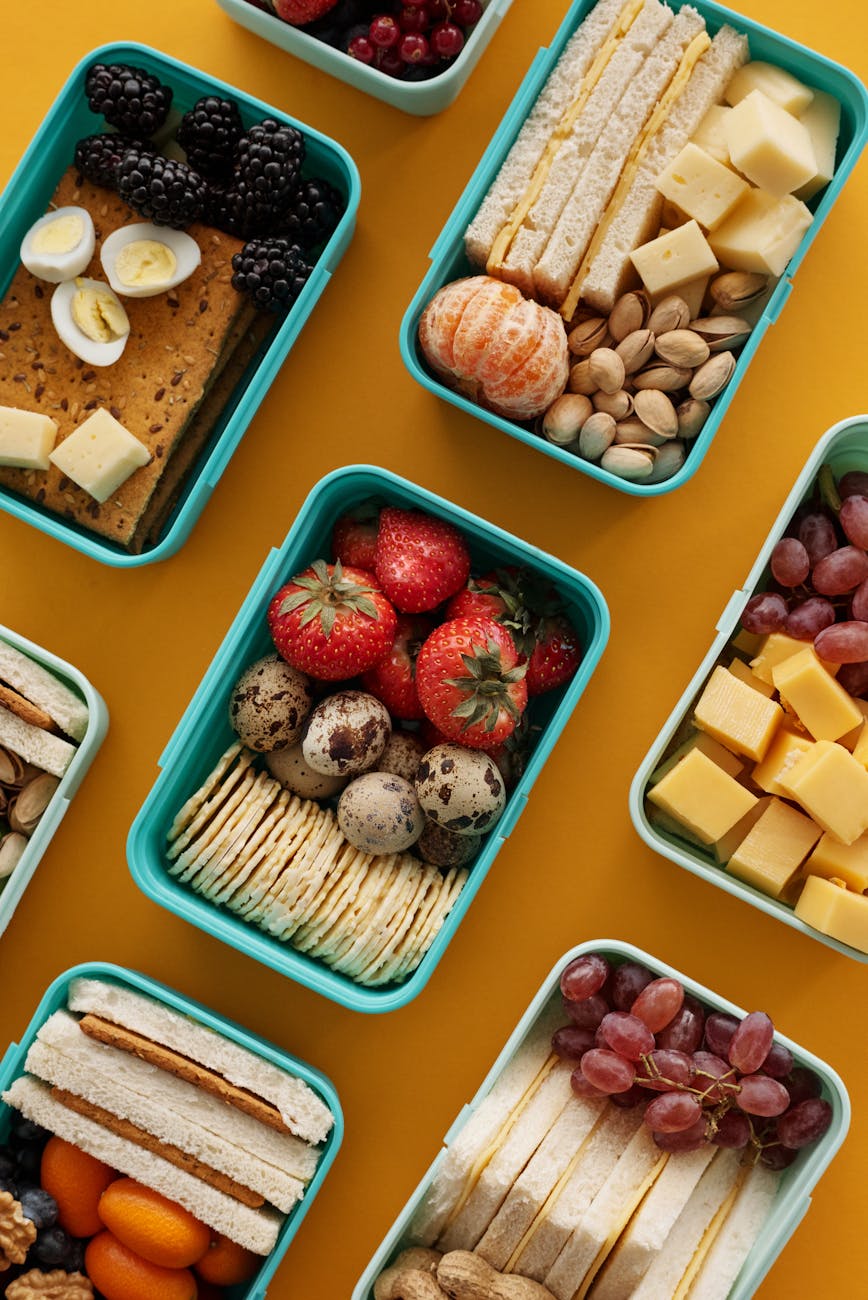
Parents know the daily struggle: kids want snacks that are fun and tasty, but you want them to be nutritious and wholesome. The good news? You don’t have to ban favorite treats—you just need to upgrade them. With a few smart swaps and creative tricks, any snack can become healthier while still being exciting for kids.
Here’s a complete guide to turning everyday snacks into balanced, school-ready fuel.
1. Upgrade the Base
Swap refined ingredients for whole, nutrient-rich ones.
- White bread → whole grain wraps or pita
- Refined flour → oats or whole wheat flour
- Potato chips → air-fried veggie chips
2. Cut Back on Sugar & Salt
Kids don’t need the sugar rush (or salty cravings).
- Use honey, dates, or ripe bananas for sweetness.
- Flavor with cinnamon, lemon, garlic powder, or herbs instead of excess salt.
3. Pack in the Protein
Protein helps kids feel full longer.
- Mix in Greek yogurt, nut butters, cheese, hummus, or boiled eggs.
- Even smoothies get a boost with chia seeds or peanut butter.
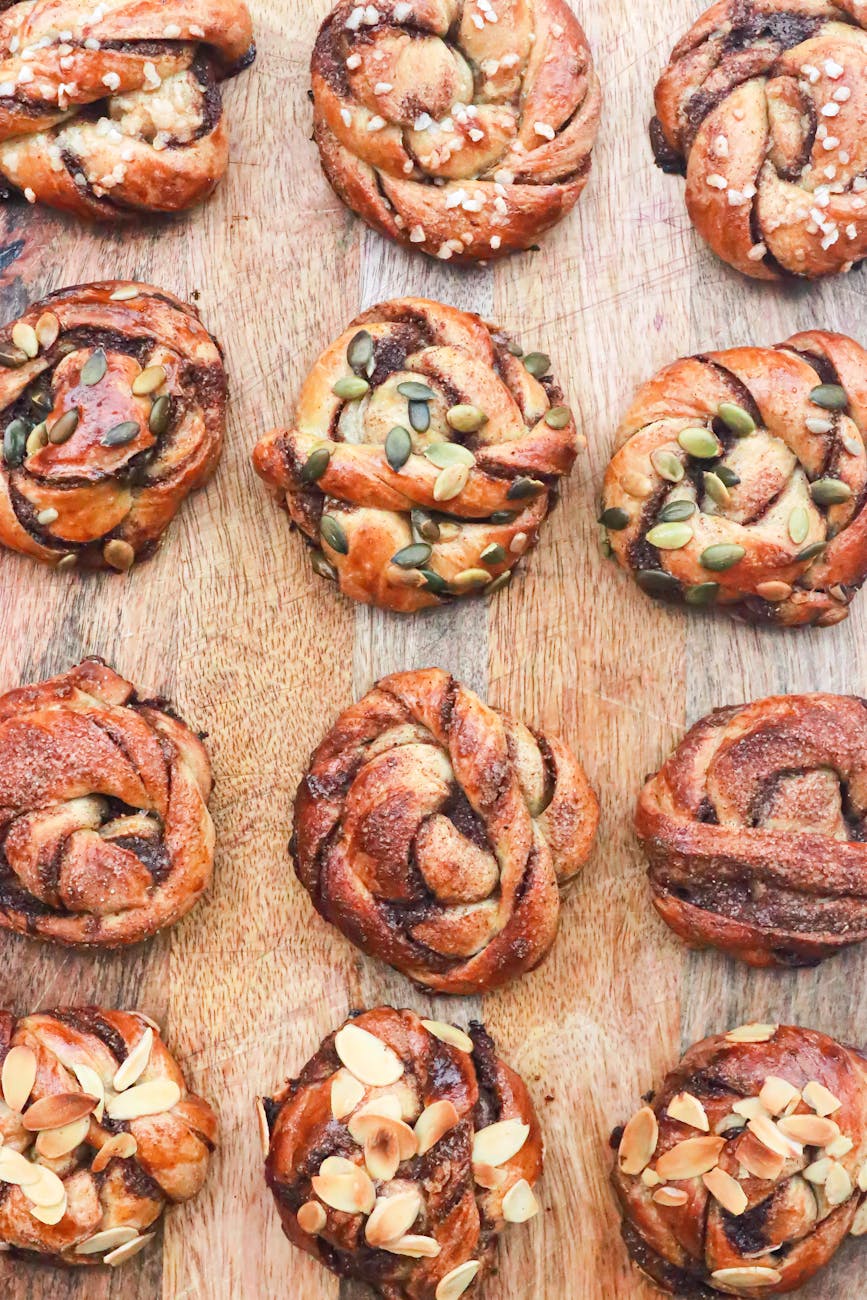
4. Sneak in Fruits & Veggies
Make produce part of the snack, not an afterthought.
- Add grated zucchini, carrots, or spinach into muffins or wraps.
- Top parfaits, oatmeal, or toast with fresh fruit.
5. Choose Healthy Fats
Not all fats are bad—just pick the right ones.
- Bake or air-fry instead of deep-frying.
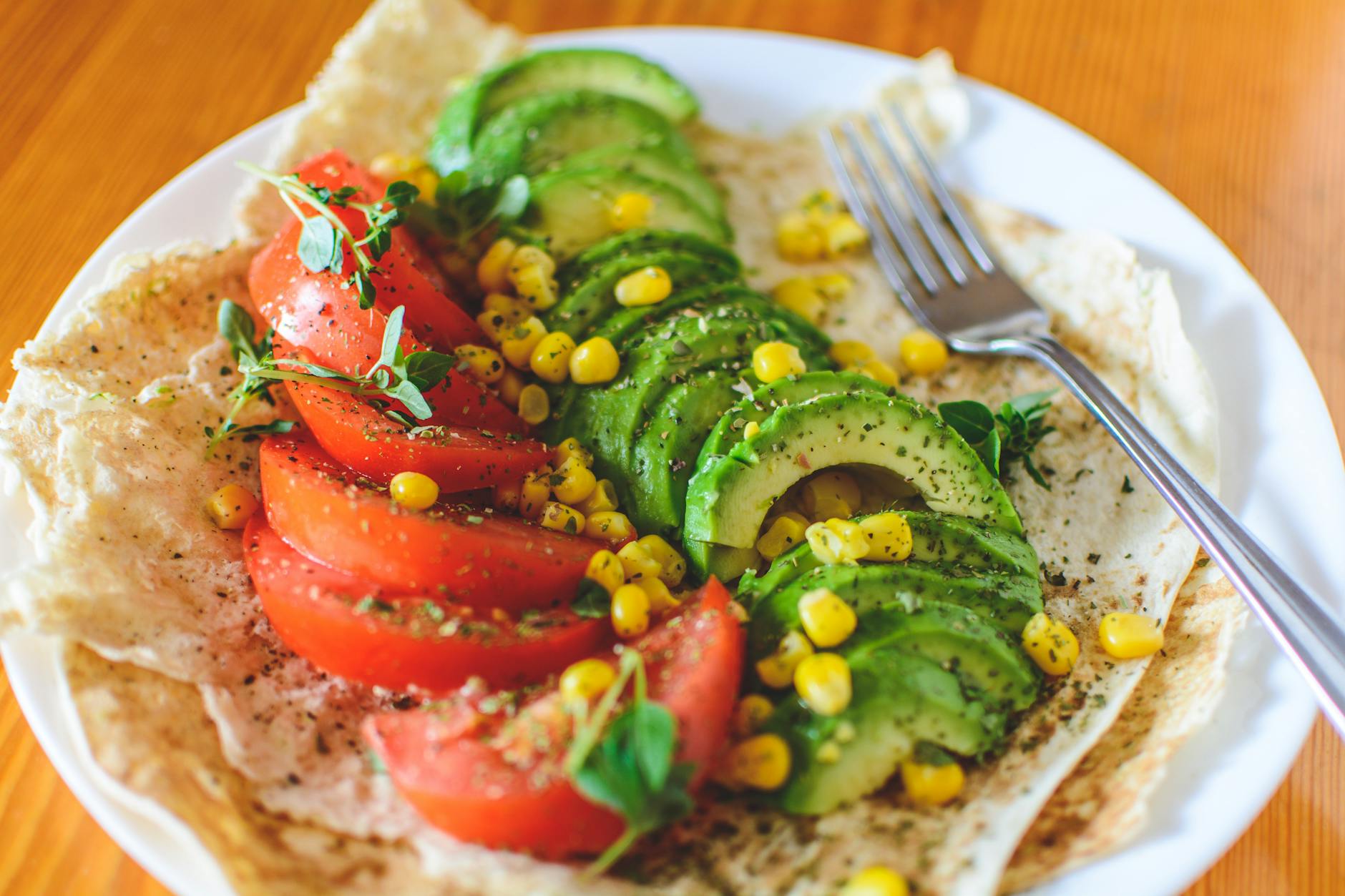
- Use avocado, olive oil, or nut butters instead of butter.
6. Portion & Balance
Avoid oversized snacks. Instead, balance small servings of each food group.
- Pack a bento box with fruit, protein, and a crunchy grain.
- Keep trail mix to one handful per serving.
7. Make It Fun & Colorful
Kids eat with their eyes first!
- Create rainbow fruit skewers.
- Cut sandwiches into stars or dinosaurs.
- Build “snack art” plates—like veggie faces or fruit butterflies.
🌿 Extra Tips For Busy Parents
8. Go Fresh Over Packaged
Choose fresh fruit or popcorn over packaged cookies or chips. If buying store snacks, check labels: aim for less than 6g sugar and 150mg sodium per serving.
9. Hydrate Smartly
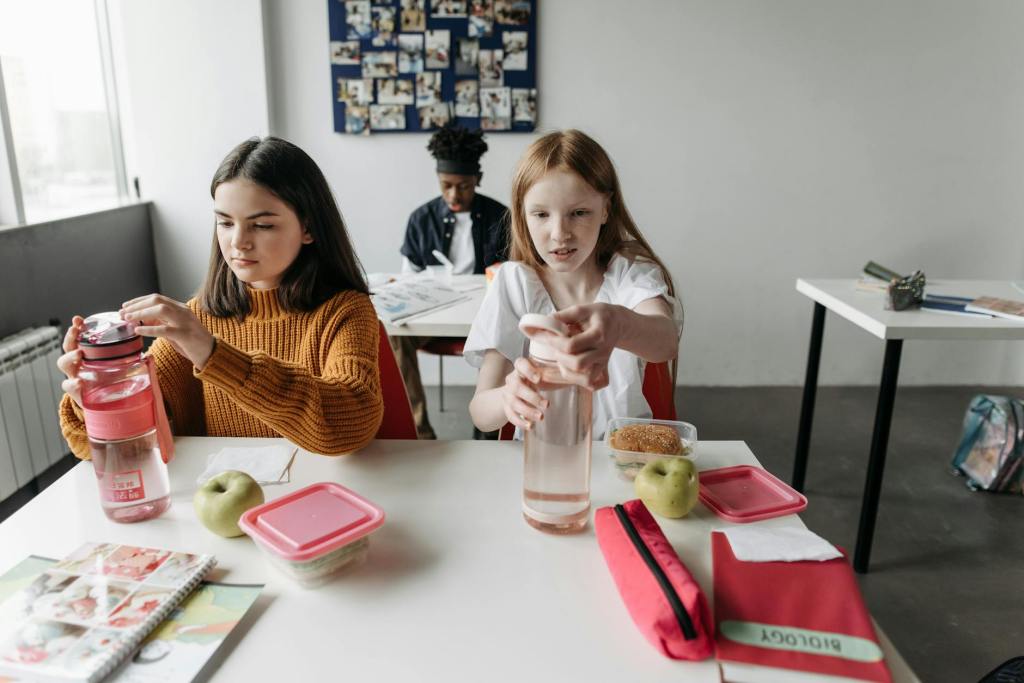
Pair snacks with water, infused water, or milk instead of soda or juice boxes.
10. Play with Textures
Mix soft + crunchy + creamy to keep kids interested.
👉 Yogurt (creamy) + granola (crunchy) + blueberries (juicy).
11. DIY Instead of Store-Bought
Make your own granola bars, muffins, hummus, or fruit roll-ups so you control sugar, oils, and additives.
12. Use Seasonal & Local Produce
It’s fresher, tastier, and often cheaper. 🍎 Fall = apples & cinnamon, Summer = watermelon sticks.
13. Think “Mini Meals”
Build balanced plates: Fruit + Protein + Whole Grain.
👉 Grapes + cheese cubes + whole-grain crackers.
14. Smart Storage
Prep ahead and stack snack boxes for the week.
- Wash & cut hardy fruits/veggies: carrots, cucumbers, bell peppers, grapes.
- Slice apples/pears only up to 2–3 days ahead (store in lemon water).
- Bake a batch of mini muffins or energy bites.
- Portion trail mix, crackers, cheese cubes into small containers.
15. Make It Interactive
Kids snack better when they build it themselves.
- DIY taco cups
- DIY trail mix jars
- DIY fruit kabob bar
Healthy snacking doesn’t mean saying no—it means making small, smart upgrades. Swap refined foods for whole ones, add protein and produce, control portions, and make it fun. With these tricks, you can turn lunchboxes and after-school snacks into fuel that keeps kids happy, focused, and energized.

 Lukewarm Mom
Leave a comment