Gratitude for My Body: A Gentle Self-Care Practice for Moms

We know that talking kindly to ourselves—reminding ourselves we are good enough—can ease some of the heaviness in our hearts. But did you know the same principle can apply to your body as well?

The other day, I was just lathering my leg while bathing and thought, “It’s a little sore, but not too bad. You’ve done a good job so far. Good girl.” To my surprise, saying this out loud made me feel good about my leg somehow—and I actually felt the pain soften and leave.

Curious about why this happened, I started doing a little research. I discovered that what we say to our bodies—and how we pay attention to them—can actually change how we feel pain, reduce tension, and even trigger healing responses.

Both emotional pain and physical pain share a common remedy: gentleness, awareness, and kindness.

The Surprising Power of Kind Self-Talk

At first, it felt a little silly to speak kindly to my leg. But the moment I did, I felt my body relax. The pain wasn’t magically gone, but it loosened its grip. Science explains why this works:

  • Words as signals: Soft, compassionate words tell our nervous system that we are safe, allowing tension to release.
  • Focus shift: Gratitude moves attention from “this hurts” to “this part of me is working hard for me.”
  • Healing hormones: Positive self-talk can trigger endorphins, the body’s natural pain relievers.

It made me realize—our bodies are always listening.

Shavasana and the Art of Letting Go

This experience reminded me of something I often feel in yoga, especially in Shavasana (corpse pose). After moving through stretches and postures, when I finally lie still, my body seems to sigh. The pain feels softer, the mind feels quieter, and even emotional heaviness lifts a little.

Shavasana is powerful because:

  • It tells the body, “Now you can rest.”
  • It slows the heart rate and calms the nervous system.
  • It teaches us that healing isn’t about forcing—it’s about allowing.

Just like speaking kindly to my leg, Shavasana works by giving my body permission to relax. In that state, both physical and emotional pain lose some of their grip.

Mom practicing Shavasana (corpse pose) in a calm, sunlit room, demonstrating relaxation and mindful self-care.
Taking a few minutes in Shavasana helps moms release tension, connect with their body, and practice gentle self-care.

Bridging Body Pain and Mom-Life Stress

As moms, we often carry both kinds of pain: the physical ache of a tired body and the emotional weight of responsibilities. While physical pain can sometimes be massaged away, and emotional pain can feel harder to soothe, the truth is both respond to the same thing: compassion.

Imagine if a mom cared for herself the way she cares for her child—gently, patiently, and with love. Our bodies deserve that same tenderness.

  • When my heart feels heavy, I can place a hand on my chest and say: “Thank you for holding all of this. I’m listening.”
  • When my body aches, I can massage it gently and whisper gratitude.
  • When my mind races, I can lie in Shavasana and let my thoughts pass without judgment.

Different pains, same medicine: kindness and presence.

A Simple Practice for Moms to Try

Next time you’re in pain, try this:

  1. Pause and notice. Where do you feel the pain—body, heart, or mind?
  2. Add kindness. Place a hand there and say something gentle: “I hear you. Thank you for carrying me.”
  3. Breathe. Let the nervous system calm itself.
  4. Rest. If possible, lie down in Shavasana for a few minutes and allow your body to let go.

It won’t erase pain instantly, but it will change your relationship to it. And sometimes, that’s enough to bring relief.

As moms, our bodies do so much—carrying children, carrying worries, carrying love. Pain will always show up in some form, whether in the body or in the heart. But when we meet it with gentleness—through words, touch, or yoga—we discover that pain doesn’t have to rule us. Sometimes, all it takes is a little gratitude to remind our bodies and hearts that they are safe, seen, and loved.

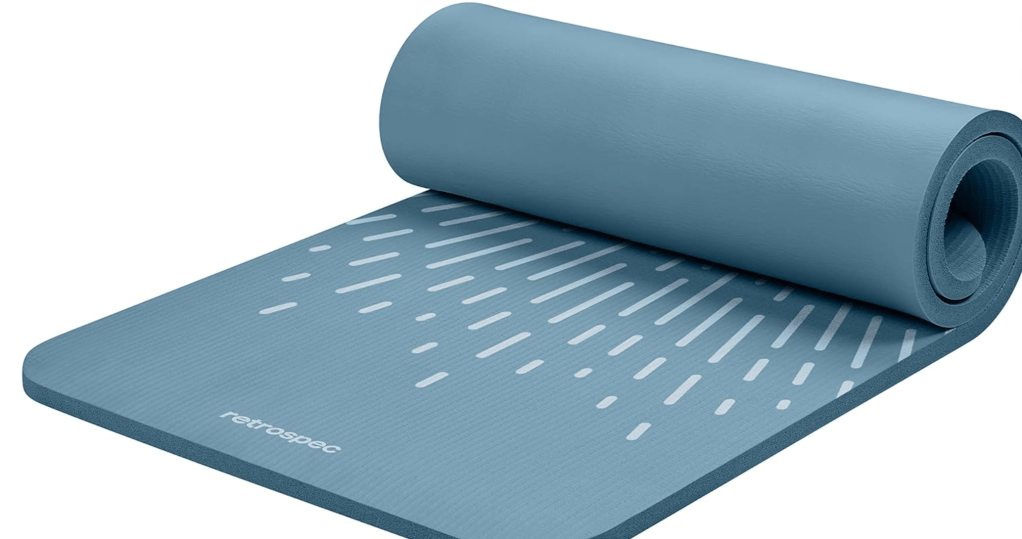
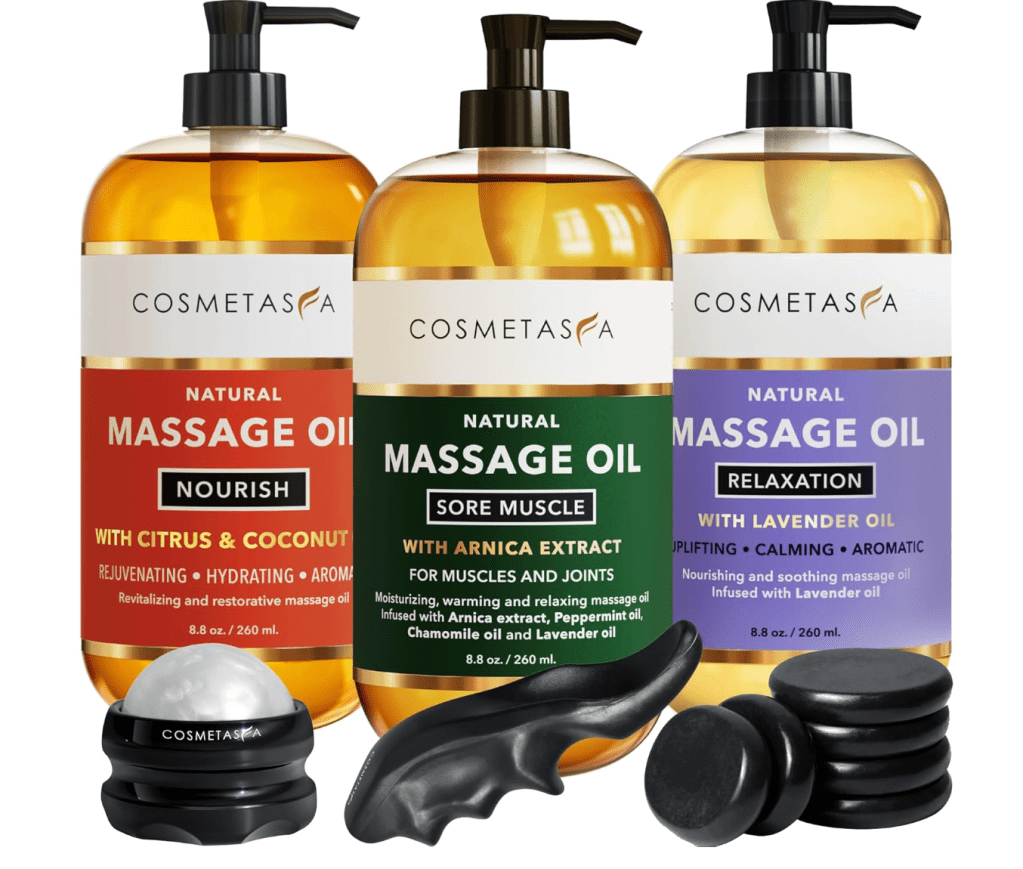
Recommended Self Care Essentials For Moms

This post contains affiliate links. If you purchase through these links, I may earn a small commission at no extra cost to you.

Posted in

One response to “Gratitude for My Body: A Gentle Self-Care Practice for Moms”

  1. All Posts – Lukewarm Mom Avatar

    […] Gratitude for My Body: A Gentle Self-Care Practice for Moms How to Handle Baby & Toddler Sleep Regressions: Expert-Backed Strategies That Work The Chaos of Holidays: What No One Tells You About Being a Mom on “Vacation” Big Emotions in Little Kids: How to Handle Anger in 5–6 Year Olds How Much Should Moms Really Cook? A Practical Guide for Busy Mothers The Surprising Little Things That Trigger Sibling Jealousy (And What Helped Us Calm It) Microrests for Moms: Tiny Breaks That Keep You Calm (Even While Playing With Kids) When Your Child Can’t Say No: How I Helped My Sensitive Daughter Handle Peer Pressure, Lost Pencils & Overwhelming Classrooms Ultimate Christmas Gift Guide 2025: Best Gifts for Kids, Teens, Moms & Family This Holiday Season 🎄❄️ 100 Money-Saving Tips for Moms: Simple, Practical Ways to Make Life Easier Indoor Winter Games for Kids: Fun, Cozy, Low-Prep Ideas for Long Cold Days Seasonal Affective Disorder in Moms: Why Winter Triggers SAD and How to Cope How to Calm Toddler Temper Tantrums: The C.A.L.M Method Maternity Wardrobe Essentials: Trimester-by-Trimester & Postpartum Shopping Guide What Kids Learn From Their Father and Mother: The Everyday Behaviour They Copy Things No One Tells You About Maternal Anxiety How to Bond with Your Child So They’ll Still Talk to You as a Teen Santa vs Tooth Fairy: What’s the “Right” Age to Tell Kids the Truth? How to Handle Baby & Toddler Sleep Regressions: Expert-Backed Strategies That Work Helping Your Firstborn Adjust to a New Baby Smart Storage Ideas and Must-Have Amazon Finds for All Your Kid Stuff How to Manage Kids’ Hair on School Mornings: Simple Hairstyles and Hair Care Routine for Tangle-Free Days Raising Responsible Kids (Even When You’re Not the Most Disciplined Mom) Persistent Postpartum Hair Loss: Complete Hair Care Guide When Kids Wake Up Tired: What I Learned About Mouth Breathing, Adenoids, and Sleep When Kids Say “I’m Bored” All the Time – Why It Happens and What to Do How to Reduce Screen Time for Kids (Ages 2–10): Practical Tips and Screen-Free Alternatives 10 No-Cook Evening Snacks for Kids After School Tips for a Smooth Overnight Car Journey with Kids The Best Age Gap Between Kids? Maybe It’s About Readiness – Not Numbers Invisible Mom Fatigue? 10 Practical Ways to Reclaim Your Energy Boosting Social Confidence in Moms and Kids When Moms Struggle with Low Self-Esteem: Signs & Gentle Ways Forward Invisible Mom Fatigue? 10 Practical Ways to Reclaim Your Energy The Perfect Bed Time Routine for Kids: How to End the Day Calmly and Happily Effective Clutter Control Tips for Busy Moms with Messy Homes Postpartum Brain Changes: What Every Mom Should Know 9 Fun Challenges to Encourage Healthy Eating and Activity in Kids When Money Shapes Motherhood: My Mom’s Quiet Lessons Helping Your Kid Learn Independently: A Parent’s Guide How Simple Daily Routines and Rewards Can Help Your Child Thrive 10 Practical Self-Care Strategies for Busy Moms to Manage Daily Chaos and Stay Energized Mindful Kids: Planting Calm in Busy Little Minds How to Feel Fresh, Confident, and Put-Together as a Mom Stuttering in Children: Signs, Causes & How Parents Can Help with Confidence Understanding Disrespect in Kids: ADHD Insights How to Help Kids Cope With Things They Can’t Control Without Feeling Powerless Mental Load Offloading Guide for Moms How to Reconnect with a Distant Tween : 8 Practical Tips for Parents of Preteens Sensory Overload in Children and Parents: Causes, Signs, and Gentle Coping Strategies 10 Classic […]

    Like

Leave a comment