
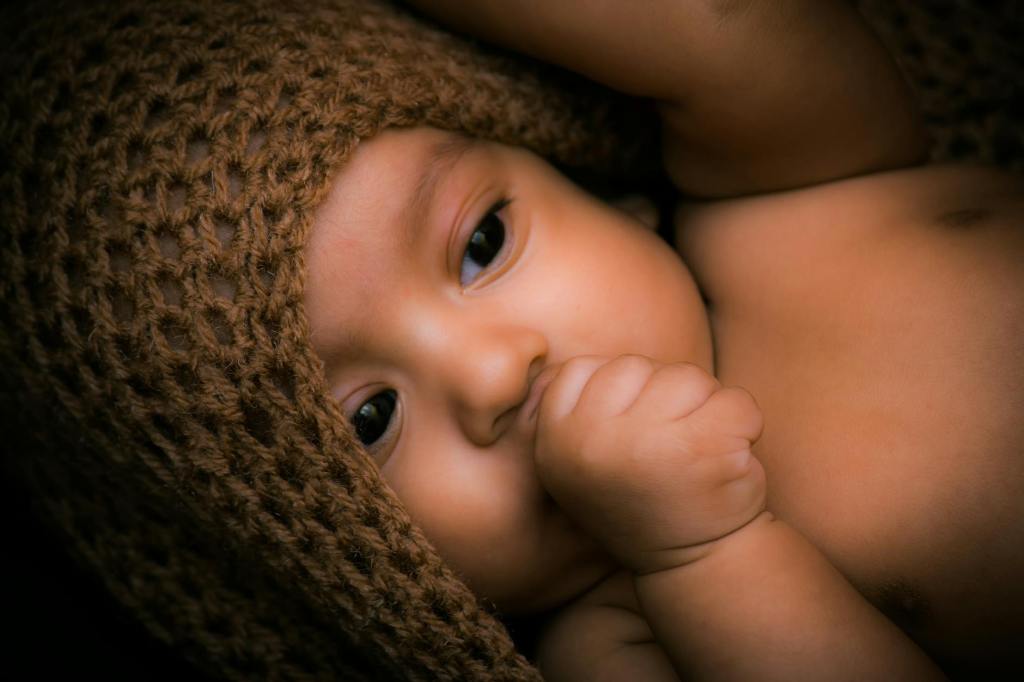
If you’ve ever peeked at your baby and found their tiny thumb in their mouth, or wondered if a pacifier might help calm them, you’re not alone. These are two of the most common ways babies self-soothe, and parents often worry: “Is it normal? Will it harm their teeth?”
Let’s break it down — thumb-sucking, pacifiers, and what experts from around the world suggest.
🍼 Why Babies Suck Their Thumbs
Thumb-sucking is a natural and comforting behavior for infants and toddlers.
- It often begins even before birth and helps babies self-soothe, feel secure, and calm themselves.
- Most children outgrow the habit between 2 and 4 years of age.
- In early childhood, thumb-sucking is generally harmless.
Think of it as your baby’s built-in pacifier, giving them comfort when tired, anxious, or bored.
🍼 Pacifiers: A Useful Tool (With Some Considerations)
Pacifiers, or “dummies,” are another self-soothing tool, but recommendations vary by country.
- United States: Pacifiers are commonly used, especially for newborns. Benefits include calming fussy babies and reducing the risk of SIDS when used at sleep time. Introduce them only after breastfeeding is well-established.
- India: Pacifier use is less common. Most pediatricians discourage them due to hygiene issues, risk of ear infections, dental concerns, and potential dependency.
- United Kingdom: Pacifiers can be used to soothe infants but are recommended to avoid after 12 months of age. Sweet dips should be avoided, and they must be kept clean.
- Australia: Pacifiers can comfort infants, but parents are advised to wait until breastfeeding is well-established and consider weaning off around 6 months to encourage speech development.
💡Did You Know? Pacifier Use Around the World
| Country | Pacifier Use |
|---|---|
| 🇺🇸 United States | Over 75% of infants use a pacifier at least once in the first few months |
| 🇬🇧 United Kingdom | Around 50% of babies use a pacifier during infancy |
| 🇦🇺 Australia | About 79% of first-time mothers introduce a pacifier |
| 🇮🇳 India | Fewer than 10–15% of babies use pacifiers; most pediatricians advise against them |
How old was your baby when you stopped using pacifier?
Let me know in the comments.
🧠 When Thumb-Sucking or Pacifier Use Becomes a Concern
- If thumb-sucking or pacifier use continues beyond age 2–4 years, it may affect the shape of the mouth or alignment of teeth.
- Most children who stop before permanent teeth arrive naturally self-correct.
- Persistent habits may require a pediatric dentist evaluation, especially if speech or bite is affected.
🌱 Gentle Ways to Help Your Child Stop
- Stay calm and patient — attention can reinforce the habit.
- Identify triggers — tiredness, stress, or changes in routine.
- Offer substitutes — cuddly toys, blankets, or hand-based activities.
- Positive reinforcement — sticker charts or verbal praise for thumb-free times.
- Involve older children — explain gently why it’s time to stop and let them set small goals.
- Consult professionals if needed — a pediatric dentist can guide persistent habits.
❤️ The Takeaway
- Thumb-sucking is normal in early childhood. Most kids naturally outgrow it.
- Pacifiers can be helpful, but cultural context, hygiene, and age considerations matter.
- Harsh interventions are unnecessary — calm, supportive guidance is the best approach.
At the end of the day, whether it’s a thumb or a pacifier, babies are seeking comfort. And you — with patience, love, and understanding — are their ultimate soothing tool. 💖
References
- Indian Academy of Pediatrics (IAP) – Parental Guidelines on Thumb-Sucking, Temper Tantrums, and Pica (PDF)
- American Academy of Pediatrics (AAP) – Safe Sleep & Pacifier Guidelines
- HealthyChildren.org – Pacifiers and Thumb Sucking
- NHS UK – Dummies and Thumb-Sucking
- Raising Children Network Australia – Dummies (Pacifiers)
Soothing techniques like thumb sucking or pacifier use are just one part of caring for your little one. To explore more about baby care, routines, and early parenting guidance, check out our Baby & Toddler Parenting guide for tips, reflections, and support for these early years.



 Lukewarm Mom
Leave a comment