
28-Day Body Rhythm Tracker: Listening to Your Natural Rhythm Instead of Fighting It

We often plan our lives as if every day should feel the same — same energy, same patience, same productivity. But our bodies don’t work that way. They move in rhythms, not straight lines.

The 28-Day Body Rhythm Tracker is a gentle way to notice those patterns instead of pushing past them. Inspired by the body’s natural monthly rhythm, this tracker helps you observe how your energy, mood, focus, and needs shift over time — without judgment.

What Is a Body Rhythm Tracker?

A body rhythm tracker is not about fixing yourself or becoming more disciplined. It’s about awareness.

Over 28 days, you simply note what your body is telling you:

  • Energy levels
  • Emotional state
  • Physical sensations
  • Sleep quality
  • Focus or mental clarity
  • Need for rest or connection

Patterns slowly emerge — and those patterns can help you plan life with more compassion.

Why 28 Days?

Twenty-eight days reflects a natural monthly rhythm many bodies experience.

It’s long enough to notice patterns, but short enough to feel manageable. There’s no need to align it with a calendar month — you can begin on any day.

This Is Not a Period Tracker

While menstrual cycles often follow a 28-day rhythm, this tracker is not limited to menstruation.

It’s for:

  • Moms noticing energy changes across the month
  • Women reconnecting with their bodies after burnout
  • Anyone who feels inconsistent and wonders why
  • Teens or adults learning body awareness

You don’t need regular cycles. You don’t need perfect tracking. You just need curiosity.

How to Use the 28-Day Body Rhythm Tracker

  1. Choose a starting day — any day works.
  2. Each day, check in with yourself for one minute.
  3. Mark or note how you feel physically and emotionally.
  4. Avoid labeling days as “good” or “bad.”
  5. At the end of 28 days, look for patterns.

That’s it. No rules. No streaks. No guilt.

What You Might Notice Over Time

Many people begin to see:

  • Certain days where energy dips regularly
  • Times of increased creativity or clarity
  • Days where rest feels essential
  • Emotional sensitivity that repeats monthly

These insights can help you:

  • Plan demanding tasks on higher-energy days
  • Schedule rest without guilt
  • Be kinder to yourself during low-capacity phases
  • Stop asking, “What’s wrong with me?”

A Gentle Tool for Moms

Motherhood often disconnects us from our own bodies. We track nap schedules, school calendars, meal plans — but forget ourselves.

This tracker isn’t another task. It’s an invitation to come back to yourself, one small check-in at a time.

Download the 28-Day Body Rhythm Tracker

You can download the printable 28-Day Body Rhythm Tracker below and start whenever you’re ready.
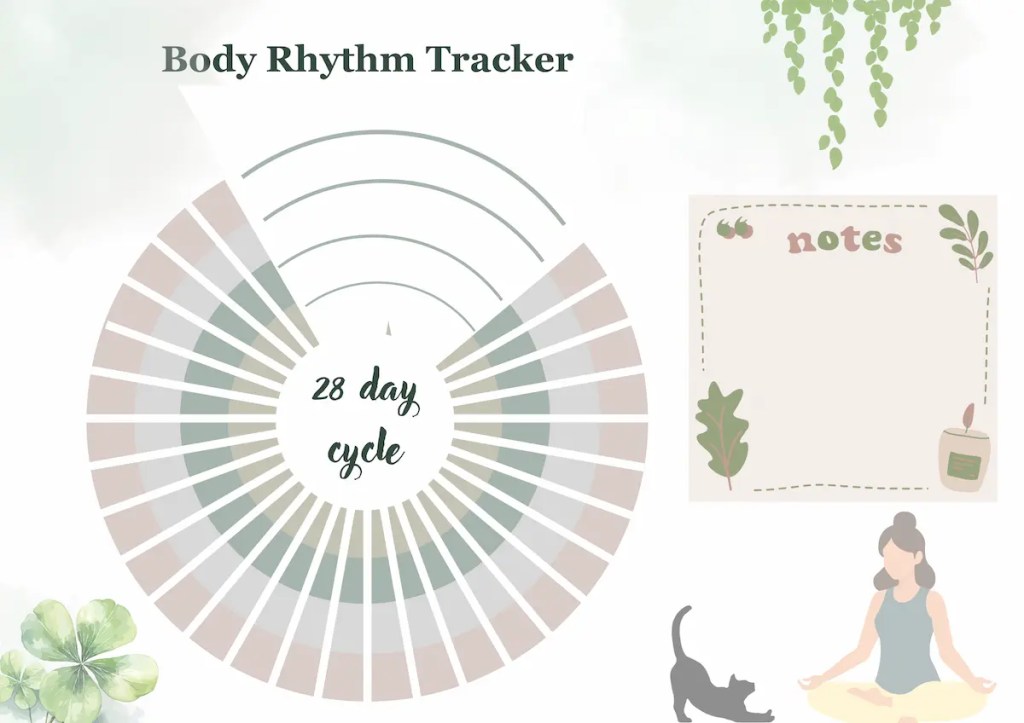
Printable 28-day body rhythm tracker for tracking energy, mood, and daily patterns

No deadlines. No perfection. Just awareness.

Sometimes, the most supportive thing we can do is listen.

If you’re looking for more tools and guidance to help you prioritize your health, reduce overwhelm, and nurture your emotional and physical self, explore our Mom Self‑Care Resources collection. It’s filled with practical ideas, tips, and supports designed to help moms recharge and care for themselves amid the everyday demands of family life.

About the author
Written by Simi, a parent sharing lived experiences and gentle reflections on everyday motherhood, emotional growth, and family life.

Posted in

One response to “28-Day Body Rhythm Tracker: Listening to Your Natural Rhythm Instead of Fighting It”

  1. All Posts – Lukewarm Mom Avatar

    […] 28-Day Body Rhythm Tracker: Listening to Your Natural Rhythm Instead of Fighting It Quiet Play Activities for Kids: Safe and Independent Fun While You Rest or Work When Kids Keep Things From Their Parents: Understanding Privacy Without Losing Connection 10 Gentle New Year Goals for Moms (Without Pressure or Perfection) Birth Order, Gender and Age Gap: How They Shape Kids’ Personalities (And What Really Matters) Simple Monthly Planner Printables for Moms and Kids (Free & Undated) Weekly Planner for Kids– Printable & Free PDF ✅ Sensory Overload in Children and Parents: Causes, Signs, and Gentle Coping Strategies How to Handle Baby & Toddler Sleep Regressions: Expert-Backed Strategies That Work The Chaos of Holidays: What No One Tells You About Being a Mom on “Vacation” Big Emotions in Little Kids: How to Handle Anger in 5–6 Year Olds How Much Should Moms Really Cook? A Practical Guide for Busy Mothers The Surprising Little Things That Trigger Sibling Jealousy (And What Helped Us Calm It) Microrests for Moms: Tiny Breaks That Keep You Calm (Even While Playing With Kids) When Your Child Can’t Say No: How I Helped My Sensitive Daughter Handle Peer Pressure, Lost Pencils & Overwhelming Classrooms Ultimate Christmas Gift Guide 2025: Best Gifts for Kids, Teens, Moms & Family This Holiday Season 🎄❄️ 100 Money-Saving Tips for Moms: Simple, Practical Ways to Make Life Easier Indoor Winter Games for Kids: Fun, Cozy, Low-Prep Ideas for Long Cold Days Seasonal Affective Disorder in Moms: Why Winter Triggers SAD and How to Cope How to Calm Toddler Temper Tantrums: The C.A.L.M Method Maternity Wardrobe Essentials: Trimester-by-Trimester & Postpartum Shopping Guide What Kids Learn From Their Father and Mother: The Everyday Behaviour They Copy Things No One Tells You About Maternal Anxiety How to Bond with Your Child So They’ll Still Talk to You as a Teen Santa vs Tooth Fairy: What’s the “Right” Age to Tell Kids the Truth? How to Handle Baby & Toddler Sleep Regressions: Expert-Backed Strategies That Work Helping Your Firstborn Adjust to a New Baby Smart Storage Ideas and Must-Have Amazon Finds for All Your Kid Stuff How to Manage Kids’ Hair on School Mornings: Simple Hairstyles and Hair Care Routine for Tangle-Free Days Raising Responsible Kids (Even When You’re Not the Most Disciplined Mom) Persistent Postpartum Hair Loss: Complete Hair Care Guide When Kids Wake Up Tired: What I Learned About Mouth Breathing, Adenoids, and Sleep When Kids Say “I’m Bored” All the Time – Why It Happens and What to Do How to Reduce Screen Time for Kids (Ages 2–10): Practical Tips and Screen-Free Alternatives 10 No-Cook Evening Snacks for Kids After School Tips for a Smooth Overnight Car Journey with Kids The Best Age Gap Between Kids? Maybe It’s About Readiness – Not Numbers Invisible Mom Fatigue? 10 Practical Ways to Reclaim Your Energy Boosting Social Confidence in Moms and Kids When Moms Struggle with Low Self-Esteem: Signs & Gentle Ways Forward Invisible Mom Fatigue? 10 Practical Ways to Reclaim Your Energy The Perfect Bed Time Routine for Kids: How to End the Day Calmly and Happily Effective Clutter Control Tips for Busy Moms with Messy Homes Postpartum Brain Changes: What Every Mom Should Know 9 Fun Challenges to Encourage Healthy Eating and Activity in Kids When Money Shapes Motherhood: My Mom’s Quiet Lessons Helping Your Kid Learn Independently: A Parent’s Guide How Simple Daily Routines and Rewards Can Help Your Child Thrive 10 Practical Self-Care Strategies for Busy Moms to Manage Daily Chaos and Stay Energized Mindful Kids: Planting Calm in Busy Little Minds […]

    Like

Leave a comment