
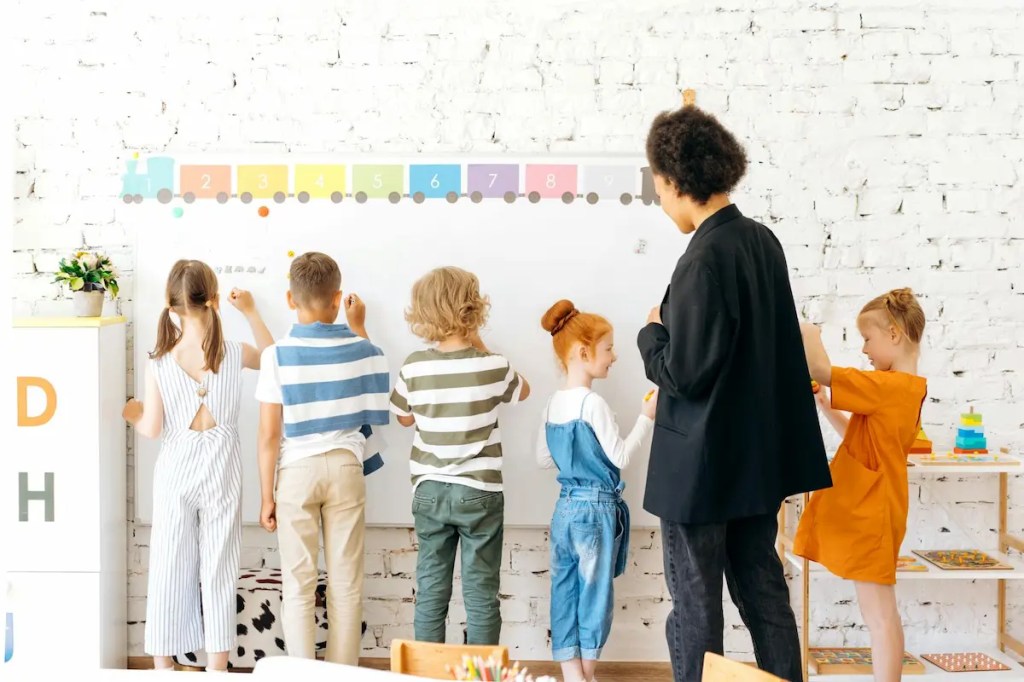
In early grades, even small differences in age, size, or skills can feel very noticeable. Some children seem faster at running, others pick up writing or reading quickly, while some take a little longer to get the hang of new tasks.
As parents, it’s natural to notice these differences and quietly ask yourself: Is my child keeping up? Are they happy? Will this affect them long-term?
Here’s a guide for parents on what to expect, what’s normal, and how to support children through early grade challenges.
Common concerns parents notice
- Physical differences in activities and games
- Older or bigger children may finish races or games first
- Younger or smaller children may participate enthusiastically but rarely win
- Learning pace differences
- Some children pick up writing, reading, or motor skills more slowly
- Others grasp it quickly, which can make comparisons obvious
- Fairness worries
- Parents may wonder if it’s “unfair” for some kids to always finish first
- Some worry about long-term emotional effects of repeated differences
Challenges for smaller or younger children
Younger or smaller children may notice gaps in physical ability or learning pace. They may:
- Struggle to keep up in races, games, or classroom tasks
- Take longer to master writing, drawing, or early math skills
- Wonder if they are “behind” compared to peers
Even if they don’t win races or grasp skills immediately, participation is highly valuable:
- Builds confidence and resilience
- Encourages social skills like turn-taking and cooperation
- Teaches persistence and enjoyment of effort
With supportive guidance, these children usually catch up naturally over time.
Challenges for bigger or older children
Being bigger or older comes with its own set of pressures, even though it might seem like an advantage. They may experience:
- External expectations
- Teachers, classmates, or parents may expect them to perform faster or take the lead in games and tasks
- Internal social awareness
- They notice how peers perceive them and may feel self-conscious about standing out
- They may worry about being seen as bossy, show-offy, or intimidating
- Managing interactions with peers
- Balancing confidence with kindness can be tricky
- Some children hold back to avoid making smaller classmates feel bad, while others feel frustrated if they consistently finish faster or grasp concepts quickly
With gentle guidance, bigger children learn to navigate social pressures, manage self-consciousness, and develop empathy — all while enjoying their natural strengths.
Participation and learning pace
Early childhood development varies naturally:
- A few months’ difference at ages 4–6 can affect motor skills, coordination, and attention span
- Children develop cognitive, emotional, and physical skills at their own pace
- Emphasizing effort, engagement, and participation matters more than finishing first or keeping up with peers
Even if a child is younger, smaller, or slower at certain skills, the experience itself is valuable for growth and confidence.
Practical perspective for parents
Here’s what actually helps parents guide children through these early differences:
- Celebrate effort over outcomes
Praise trying, finishing, and engagement rather than coming first. - Notice individual growth
Track progress over weeks and months instead of comparing day-to-day. - Support learning at home in small ways
Playful writing, reading, or movement exercises keep children engaged without stress. - Frame experiences positively
Emphasize curiosity, teamwork, and fun rather than winning or placement.
By focusing on learning, effort, and growth, both children and parents feel supported and confident.
Reassurance for parents
Differences in size, age, or learning pace are normal, visible, and temporary. Children often catch up naturally, and early experiences of “winning” or “losing” rarely create lasting emotional effects when framed positively.
Noticing these differences shows that you care — it’s a natural part of parenting. The key is to create a supportive environment, celebrate effort, and help children enjoy the process of growing up.
Every child learns at their own pace, and what works in elementary school often builds on experiences from preschool and early childhood. You can explore more about these early learning stages in our Preschool & Early Childhood section.


 Lukewarm Mom
Leave a comment