
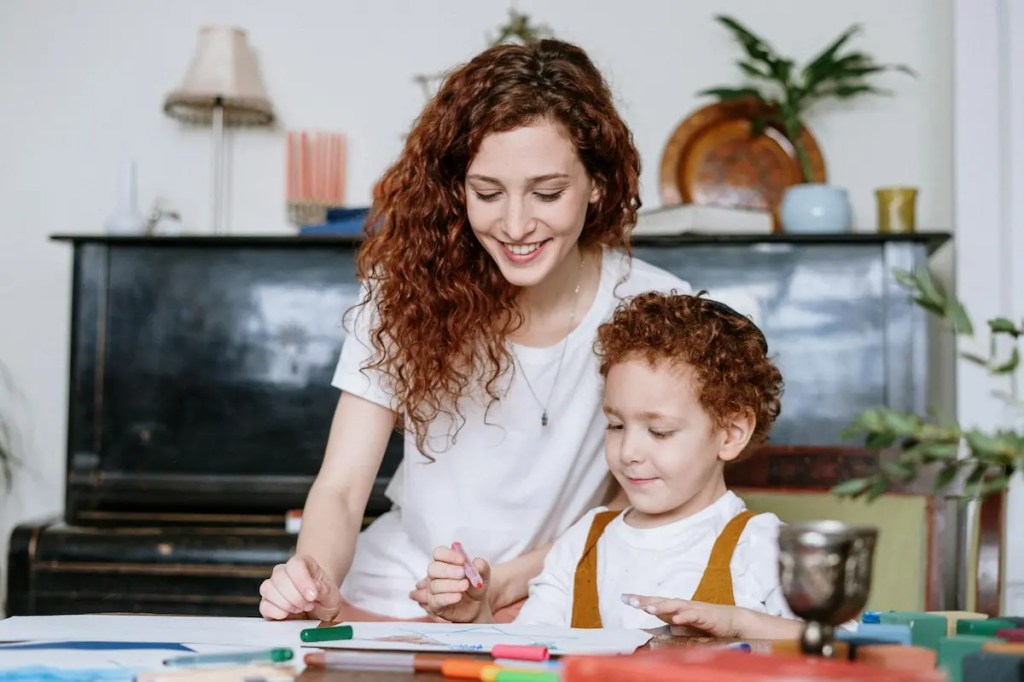
From Toddlers to Teens: Teaching Boys Respect, Confidence, and Emotional Strength
Every boy carries the imprint of the adults who love and guide him. The lessons he learns from his mother, father, or any caring caregiver shape not only how he sees the world but also how he treats himself and others. From small daily gestures to heartfelt conversations, these moments teach him respect, empathy, courage, and the joy of life. This guide explores 10 essential lessons boys learn from their caregivers, with practical examples and age-wise guidance, helping sons grow into thoughtful, resilient, and kind young men.
1. Respect for Women and Understanding Gender Equality From the Start
Boys learn how to treat women by observing their mother’s behavior, including how she interacts with others and advocates for herself.
Daily examples:
- Speaking respectfully to family, neighbors, and staff.
- Setting boundaries calmly and assertively.
- Expressing opinions confidently.
Age-wise tips:
- Toddler: Encourage sharing and gentle play.
- School-age: Teach that all friends deserve respect, regardless of gender.
- Pre-teen: Discuss gender equality, consent, and empathy.
- Teen: Explore sexism, online behavior, peer pressure, and healthy relationships.
2. Encouraging Healthy Emotional Expression and Feelings Awareness
Boys learn emotional intelligence by seeing their mother express feelings openly and handle emotions constructively.
Daily examples:
- Naming emotions: “I feel frustrated; I need a minute.”
- Expressing joy and celebrating small wins.
- Handling sadness without panic.
Age-wise tips:
- Toddler: Label emotions during play.
- School-age: Encourage discussing feelings after school.
- Pre-teen: Teach coping strategies for anger or disappointment.
- Teen: Introduce journaling, therapy, or open dialogue; teach stress management.
3. Building a Strong Sense of Self-Worth and Confidence in Abilities
Mothers teach boys to value themselves by recognizing effort, encouraging independence, and treating them as capable.
Daily examples:
- Praising effort rather than results.
- Encouraging problem-solving.
- Listening actively.
Age-wise tips:
- Toddler: Celebrate small milestones.
- School-age: Encourage responsibility in small tasks.
- Pre-teen: Discuss strengths and goals.
- Teen: Support identity exploration, hobbies, and personal reflection.
4. Cultivating Empathy and Compassion Toward Others From an Early Age
Through observing their mother’s reactions, boys learn to notice and respond to others’ feelings.
Daily examples:
- Showing concern for those hurt or upset.
- Discussing why certain actions can hurt others.
- Encouraging small acts of kindness.
Age-wise tips:
- Toddler: Teach sharing.
- School-age: Guide friend and sibling interactions.
- Pre-teen: Discuss empathy in school and online.
- Teen: Engage in volunteer work; discuss social justice and broader perspectives.
5. Teaching Personal Boundaries and the Importance of Consent
Mothers model boundaries and consent, showing boys how to respect themselves and others.
Daily examples:
- Saying no when boundaries are crossed.
- Respecting his privacy.
- Encouraging respectful disagreement.
Age-wise tips:
- Toddler: Teach gentle touches.
- School-age: Discuss property and friendship boundaries.
- Pre-teen: Introduce online boundaries and peer pressure.
- Teen: Discuss dating boundaries and social media etiquette.
6. Demonstrating Resilience and the Ability to Overcome Challenges
Boys learn resilience by observing their mother navigate difficulties and setbacks.
Examples:
- Calm problem-solving.
- Sharing recovery from mistakes.
- Showing setbacks are opportunities for growth.
Age-wise tips:
- Toddler: Encourage trying again after failures.
- School-age: Praise effort in schoolwork or sports.
- Pre-teen: Discuss handling disappointments.
- Teen: Talk about setbacks in relationships, academics, and life goals.
7. Teaching Healthy Communication Skills for Life and Relationships
Through daily interactions, boys learn respectful expression and active listening.
Daily examples:
- Calm conflict resolution.
- Asking questions and listening.
- Encouraging clear and polite communication.
Age-wise tips:
- Toddler: Use words instead of tantrums.
- School-age: Teach negotiation and listening.
- Pre-teen: Model constructive debate.
- Teen: Encourage opinion expression and respectful argument online and offline.
8. Encouraging Responsibility and a Strong Work Ethic From Early Tasks to Teen Challenges
Mothers teach responsibility through age-appropriate chores and guidance.
Examples:
- Household tasks like setting the table.
- Caring for belongings.
- Consistency in commitments.
Age-wise tips:
- Toddler: Pick up toys.
- School-age: Regular chores.
- Pre-teen: Independent tasks.
- Teen: Financial responsibility and balancing multiple commitments.
9. Fostering Joy, Playfulness, and Creativity Throughout Childhood and Teen Years
Mothers influence boys’ sense of fun, curiosity, and creativity.
Daily examples:
- Laughing, dancing, or playing together.
- Trying new hobbies.
- Celebrating achievements and fun moments.
Age-wise tips:
- Toddler: Imaginative play.
- School-age: Support hobbies.
- Pre-teen: Creative projects and games.
- Teen: Encourage arts, music, sports, tech, and social hobbies.
10. Providing Love, Emotional Safety, and a Secure Foundation for Life
Boys learn trust, acceptance, and security through their mother’s consistent love.
Daily examples:
- Physical affection.
- Active listening.
- Consistency and reliability.
Age-wise tips:
- Toddler: Frequent reassurance.
- School-age: Be present for events and homework.
- Pre-teen: Encourage independence while staying emotionally available.
- Teen: Respect autonomy while maintaining open communication.
Even as boys grow into men, these lessons remain, shaping their sense of self and their relationships. Mothers are not just caregivers; they are role models, teachers, and the first mirrors through which sons learn to navigate life.






Leave a comment