
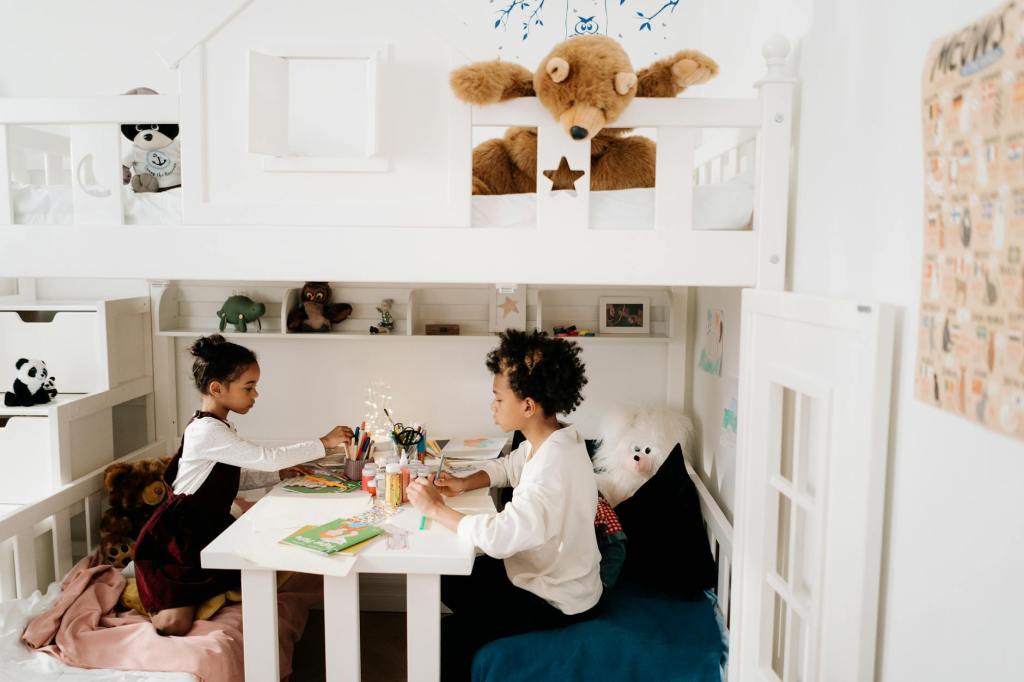
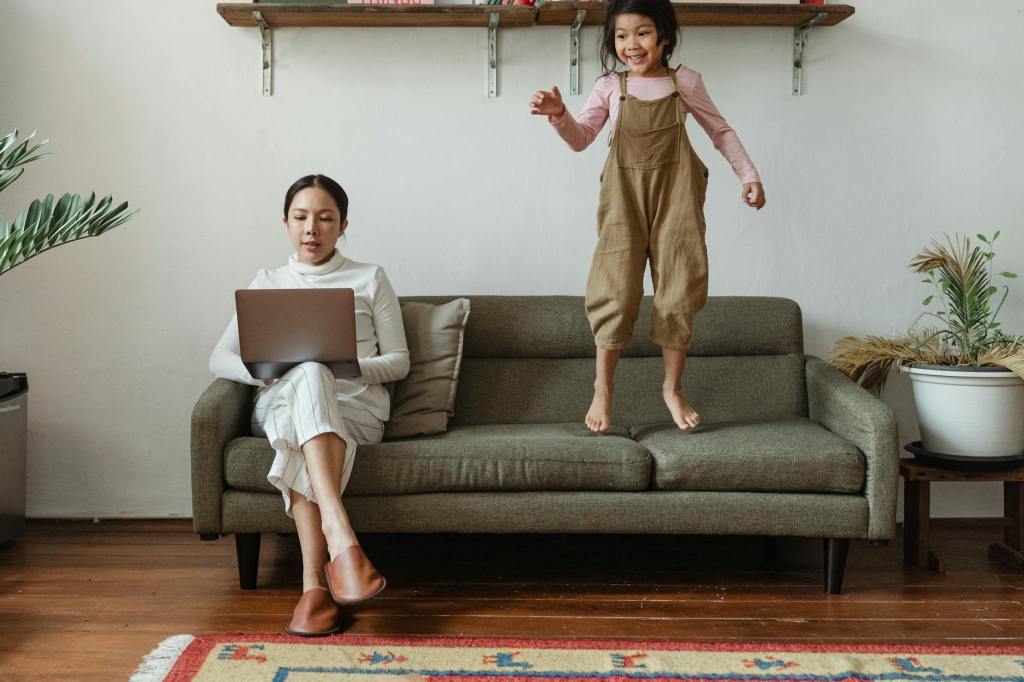
When your child starts school, the playroom that once worked perfectly suddenly… doesn’t.
Toys everywhere.
No comfortable place to sit.
Homework happening on the floor, bed, or dining table.
You don’t need a full redesign. A simple desk, chair, and a few smart additions can create a functional, school-ready study space that grows with your child.
This guide will show you what to buy, how to reuse what you already have, and what really matters for kids in kindergarten through early elementary school.
Why Kids Need a Dedicated Study Space
Even young kids (ages 5–8) need a place to:
- sit and focus
- organize their books and supplies
- separate play from homework
A consistent study zone helps them:
- mentally switch into “learning mode”
- build independence
- reduce daily power struggles around homework
This isn’t about perfection — it’s about practical structure that supports learning.
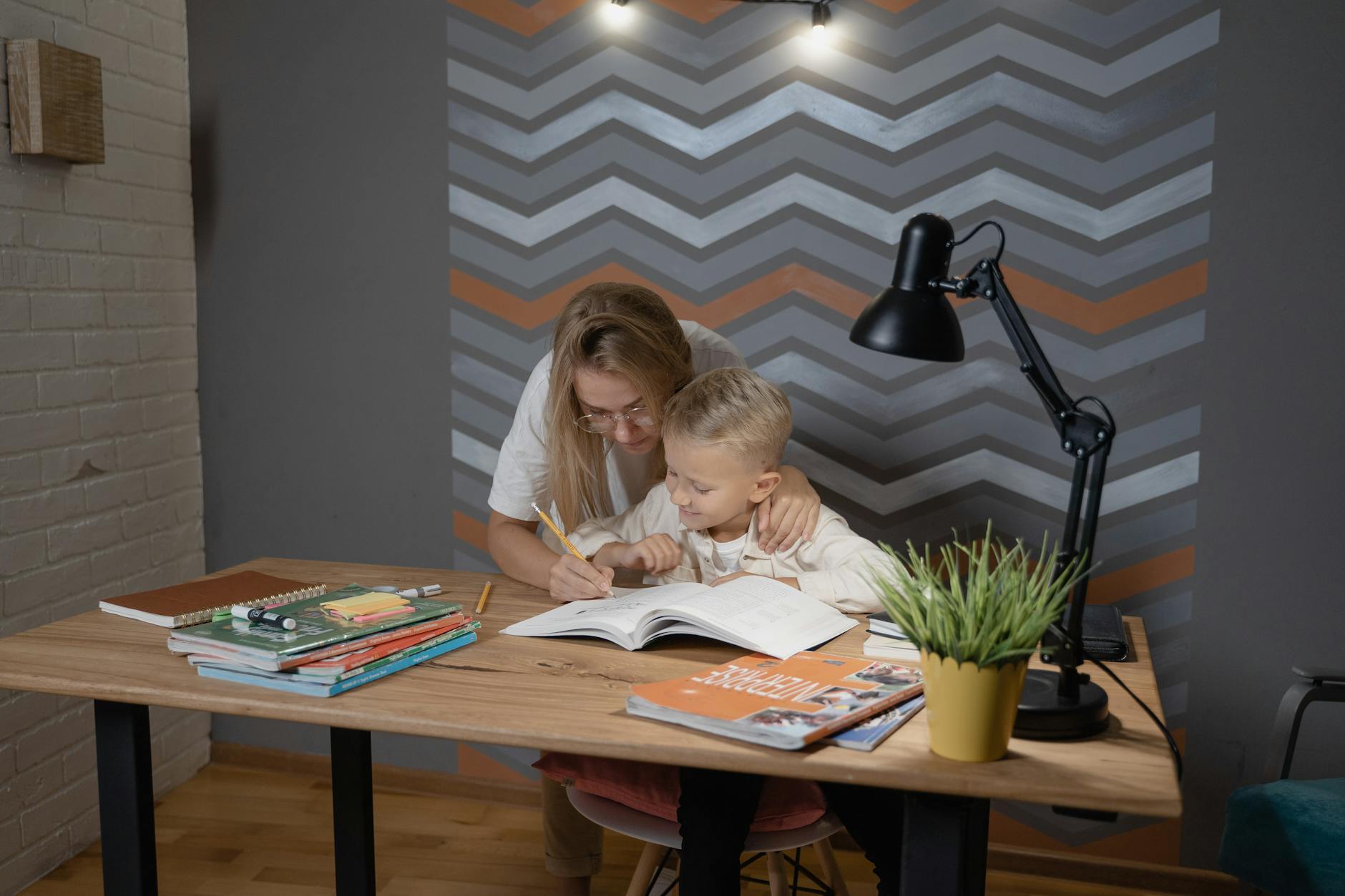
Step 1: Create a Study Zone, Even in a Shared Room
Most families do not have a separate study room. The desk often lives:
- in the bedroom
- in the playroom
- in a quiet corner of a shared space
What matters most:
- consistency (same spot daily)
- minimal distractions
- furniture sized for your child
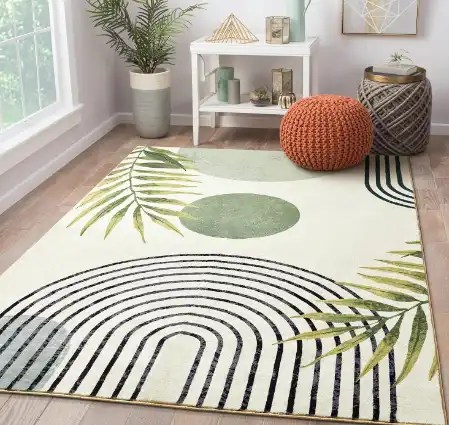
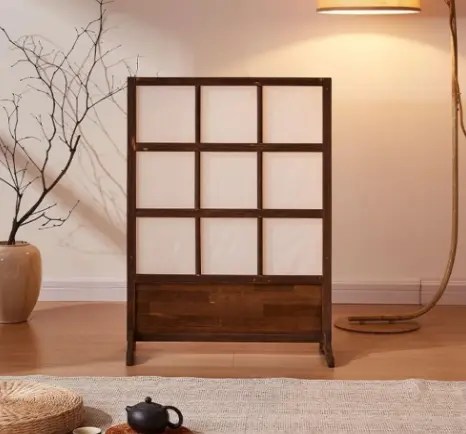
A visual separation — like a small rug or wall board behind the desk — can help, even if the bed is in the same room.
Step 2: Start Where You Are — Desk & Chair Options
Not every family buys a brand-new desk. Parents typically follow one of three paths:
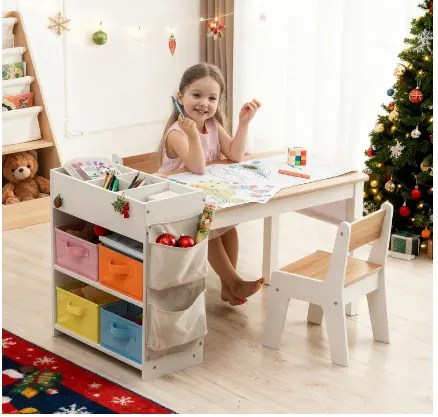
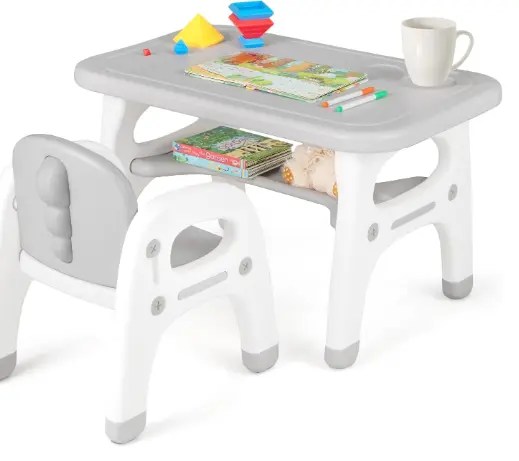
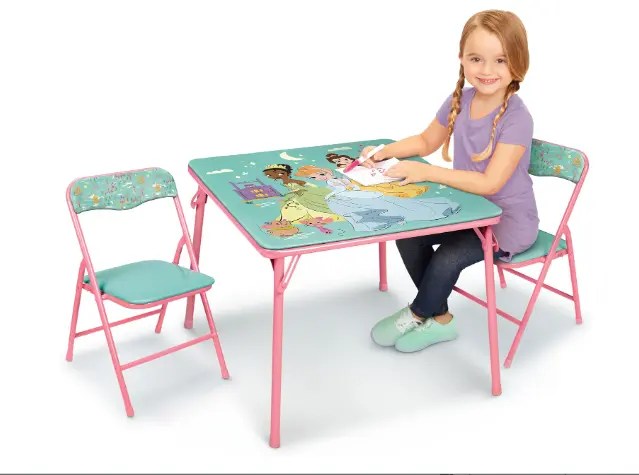
Option 1: Reuse a Toddler Desk or Craft Table
Perfect for kindergarten.
- Works if the height is roughly correct
- Good for short homework sessions
- Add a supportive chair and desk organizer
- Upgrade later if homework increases
Option 2: Small Starter Desk + Chair
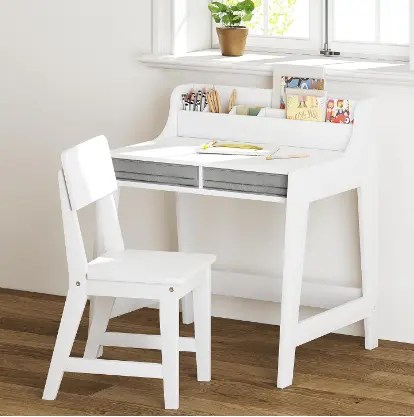
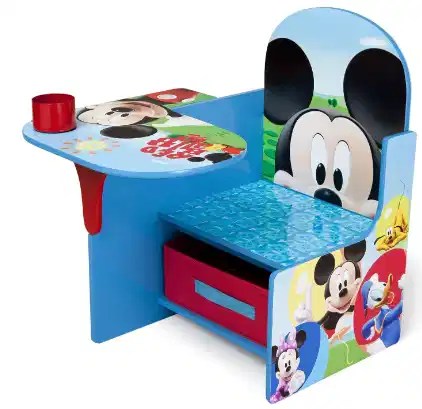
The most common choice.
- Affordable
- Fits small rooms
- School-ready without overcommitting
Option 3: Adjustable Desk + Chair (Long-Term)
For families who want a one-time purchase.
- Supports posture
- Grows with the child
- Works well in multi-child homes
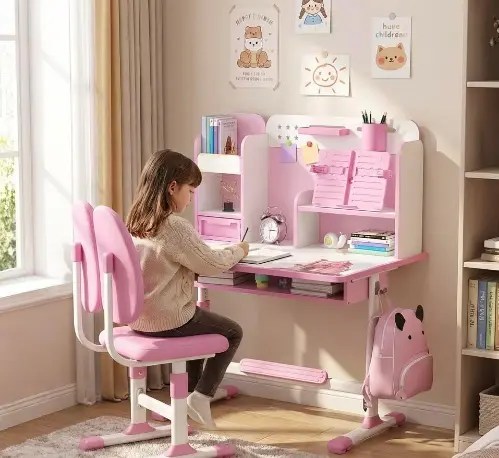
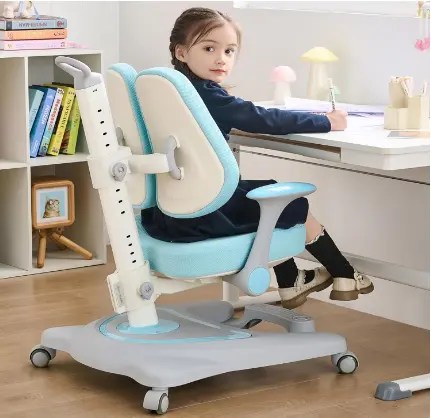
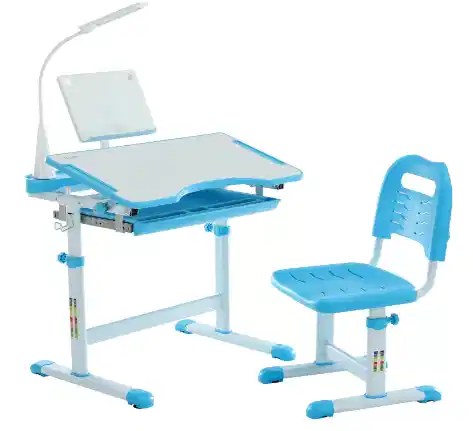
Tip: Most families start with whatever works now, then add storage, lighting, and organizers over time.
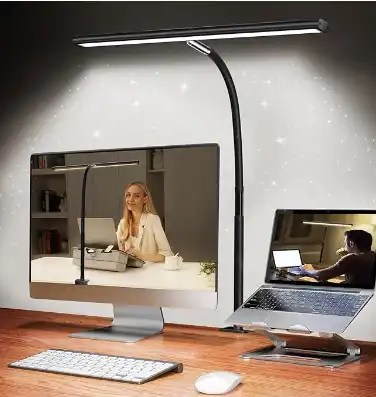
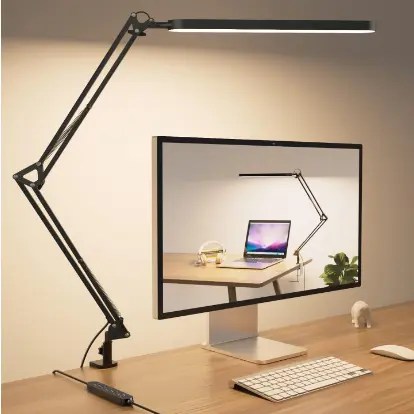
Step 3: Lighting Matters
Good lighting reduces eye strain and supports focus.
- Use natural light from the side if possible
- Add an LED desk lamp with adjustable brightness
- Keep a warm night lamp nearby for comfort
Avoid:
- harsh overhead light directly above the desk
- desk placed near TV or toys

Step 4: Storage — From Toys to School Supplies
You don’t need new furniture immediately.
Small kids (K–1st grade):
- Books fit on desk shelf or drawer
- A pencil case or small organizer keeps stationery in one place
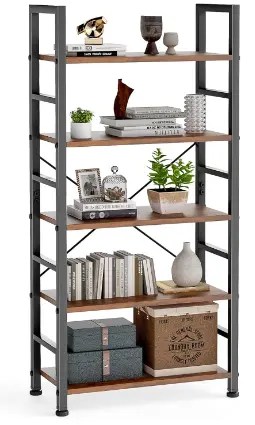
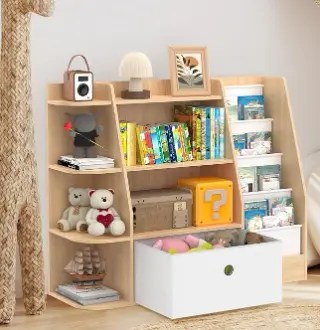
When schoolwork increases (2nd–3rd grade):
- Low bookshelf
- Front-facing book rack
- Rolling cart or bins
Toys:
- Keep in closed bins or rotate weekly
- Store out of sight during homework time

Step 5: Hooks, Boards, and Small Accessories
A few simple items make a big difference:
- Backpack hook/drop zone: wall or over-the-door hooks
- Desk organizer: caddies, small drawers, or pencil cups
- Wall board: cork board or whiteboard for reminders
- Optional: visual timer, book stand, educational wall stickers
These items help reduce daily friction and make the space usable without overloading parents.
Step 6: Optional Wall Stickers
Include functional, educational stickers like:
- alphabet & number charts
- morning or homework routines
- height charts
Frame them as tools that support learning and routines, not decor.
Step 7: Modify the Setup Over Time
Parents often upgrade gradually:
| Stage | Typical Setup |
|---|---|
| Kindergarten | Reuse toddler desk / craft table + chair |
| 1st–2nd grade | Add small bookshelf / book bin + desk organizer |
| 2nd–3rd grade | Upgrade desk height, chair, lamp, storage |
| Later | Adjustable desk + chair, optional study zone accessories |
Tip: Start simple. Add pieces as homework increases and your child grows.
Turning a playroom into a study space doesn’t require a full room makeover.
A desk, chair, and a few smart accessories are enough to start — and parents can gradually add storage, lighting, and organizers as their child grows.
This approach:
- reduces stress
- encourages independence
- keeps schoolwork visible and organized
Your child doesn’t need a perfect room to succeed — they just need a space that works for them.


 Lukewarm Mom
Leave a comment