
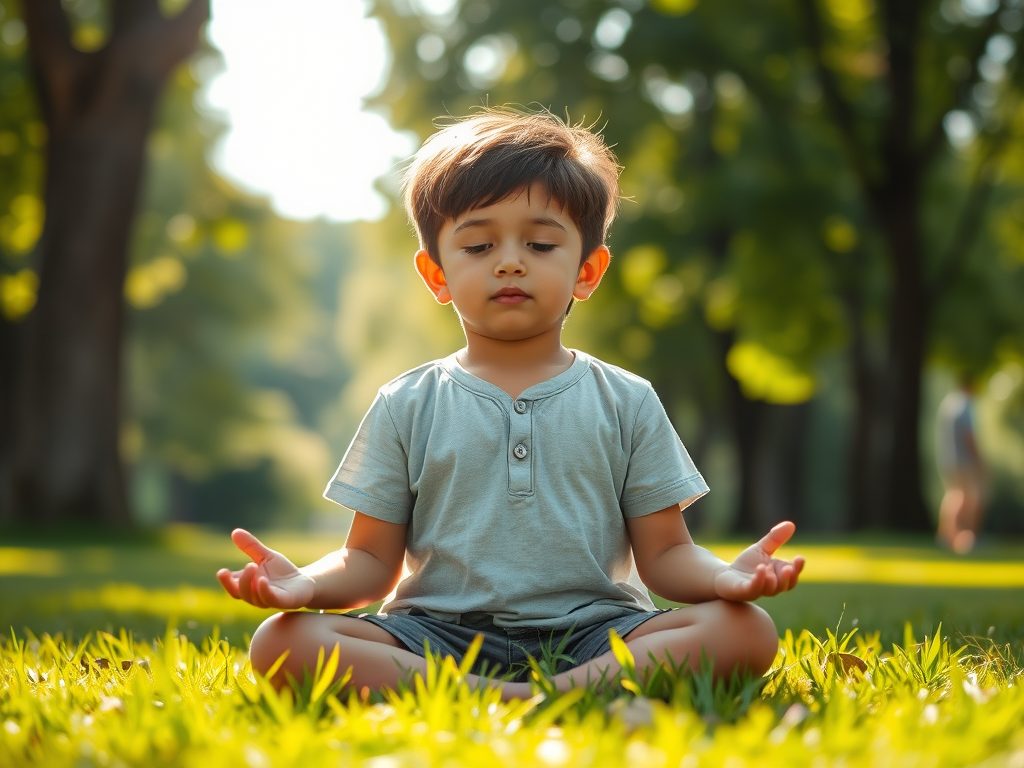
Children aren’t naturally calm — they’re wired for curiosity, energy, and big emotions. Their brains are still developing, and they’re constantly trying to make sense of a busy, overstimulating world. Add in screens, school stress, and fast-paced routines, and it’s no wonder they often seem overwhelmed or restless.
But helping kids find moments of calm isn’t about turning them into quiet little robots — it’s about teaching them how to notice what’s happening inside and around them. That’s where mindfulness comes in. It gives kids a way to pause, breathe, and connect with their thoughts and feelings — a life skill that supports better focus, emotional regulation, and even stronger relationships.
1. Mindful Breathing with a Teddy
Ask your child to place a soft toy on their belly and watch it rise and fall as they breathe. It becomes a visual, calming exercise — perfect before bed or after a meltdown.
2. Sound Hunt
Sit quietly and ask: “What sounds can you hear?” Birds, fan, distant voices? This builds awareness and helps their mind focus on the present moment.
3. Name 5 Things Game
When overwhelmed, help them pause and name:
- 5 things they see
- 4 things they can touch
- 3 things they hear
- 2 things they can smell
- 1 thing they can taste
This sensory grounding technique works wonders!
4. Gratitude Ritual
End the day by asking, “What made you smile today?” Even one small thing can start to build emotional resilience and positivity.
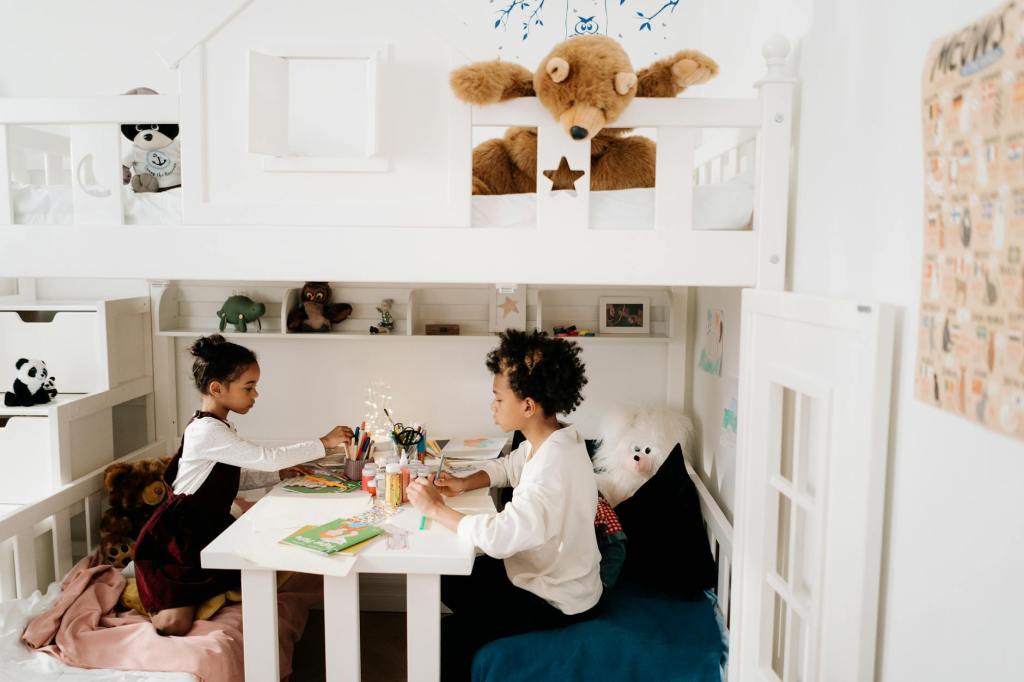
5. Mindful Coloring or Mandalas
Instead of “coloring to pass time,” encourage focused coloring. “Can you fill the petals with your calmest thoughts?”
Mindfulness isn’t about getting kids to sit still like monks — it’s about teaching them to become aware of their thoughts and feelings without judgment. It gives them tools they’ll carry long into adulthood. Start with just one mindful moment a day. That’s enough.
Mindfulness isn’t just about quiet moments — it’s a powerful way for kids to understand their emotions and respond to life with calm rather than reactivity. Supporting children in this kind of emotional growth and behavior development can make a big difference as they navigate everyday challenges. To explore more insights on children’s emotional development and behavior patterns, visit our Emotional Growth & Behavior pillar.




Leave a comment