
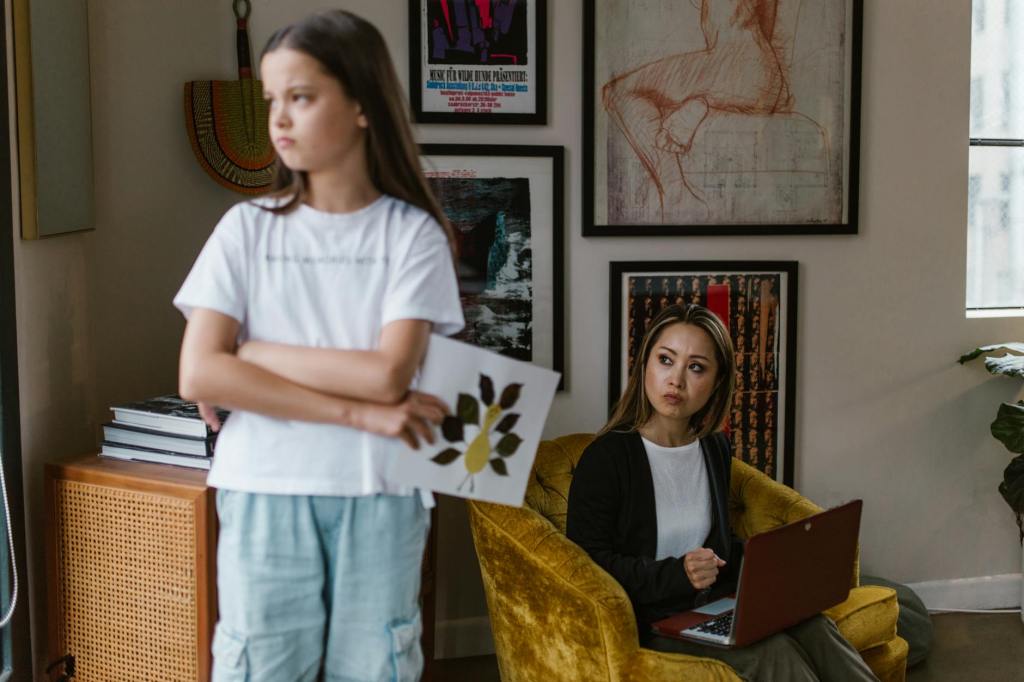
If you’re raising a preschooler or kindergartener (ages 5–6), you may be wondering why your once easygoing child suddenly seems angry, frustrated, or melting down over everything. One minute they’re fine, the next there’s whining, eye-rolling, and the occasional slammed door — and staying calm gets even harder when their complaints hit your last nerve… followed by them throwing their emotional support phone (aka your phone) straight at your head. Now both you and your phone are hurting.
While it doesn’t feel great, anger in young children is a normal part of emotional development. Between early brain development, school and friendship stress, and a growing need for independence, big emotions in little kids tend to spike and crash — often in very dramatic ways.
The good news? With the right tools, parents can help 5–6 year olds regulate emotions, reduce meltdowns, and stay connected without constant power struggles.
Remember — Your Child Isn’t Trying to Ruin Your Day
It’s easy to take it personally when your child snaps at you — but most of the time, your child’s bad mood isn’t actually about you. A preschooler or kindergartener (ages 5–6) might be upset because of something that happened at school, frustrated with a friend, overtired, hungry, or simply overwhelmed by big emotions. Sometimes, like my daughter, they’re angry because they think I’m angry (even when I’m not), or because they can’t figure out why they feel so upset in the first place.
And sometimes they don’t even want to be angry — but the harder they try to stop feeling that way, the more intense the emotion becomes. This doesn’t excuse rude behavior, but understanding that anger in young children isn’t personal helps parents respond calmly instead of reacting emotionally.
Young children experience emotions at full volume — loud, intense, and often all at once. At ages 5–6, kids are still developing emotional awareness, which means they often don’t have the words to explain what they’re feeling or why. That’s where parents can step in to help.
I try to name emotions for my daughter without lecturing. If she’s pacing or muttering, I might say, “You seem frustrated — is that right?” or “You look disappointed. Want to talk about it?” Sometimes she agrees. Sometimes she looks at me like I’ve grown two heads. Either way, it helps her start connecting her feelings to what’s happening inside her body and mind.
We also talk about how emotions aren’t “good” or “bad” — they’re signals. Anger can mean something feels unfair. Sadness can mean you’ve lost something important. Excitement can mean you’re about to try something new. The more a child can understand what they’re feeling and why, the less overwhelming those emotions become — and the less likely they are to turn into full-blown meltdowns all over the living room.
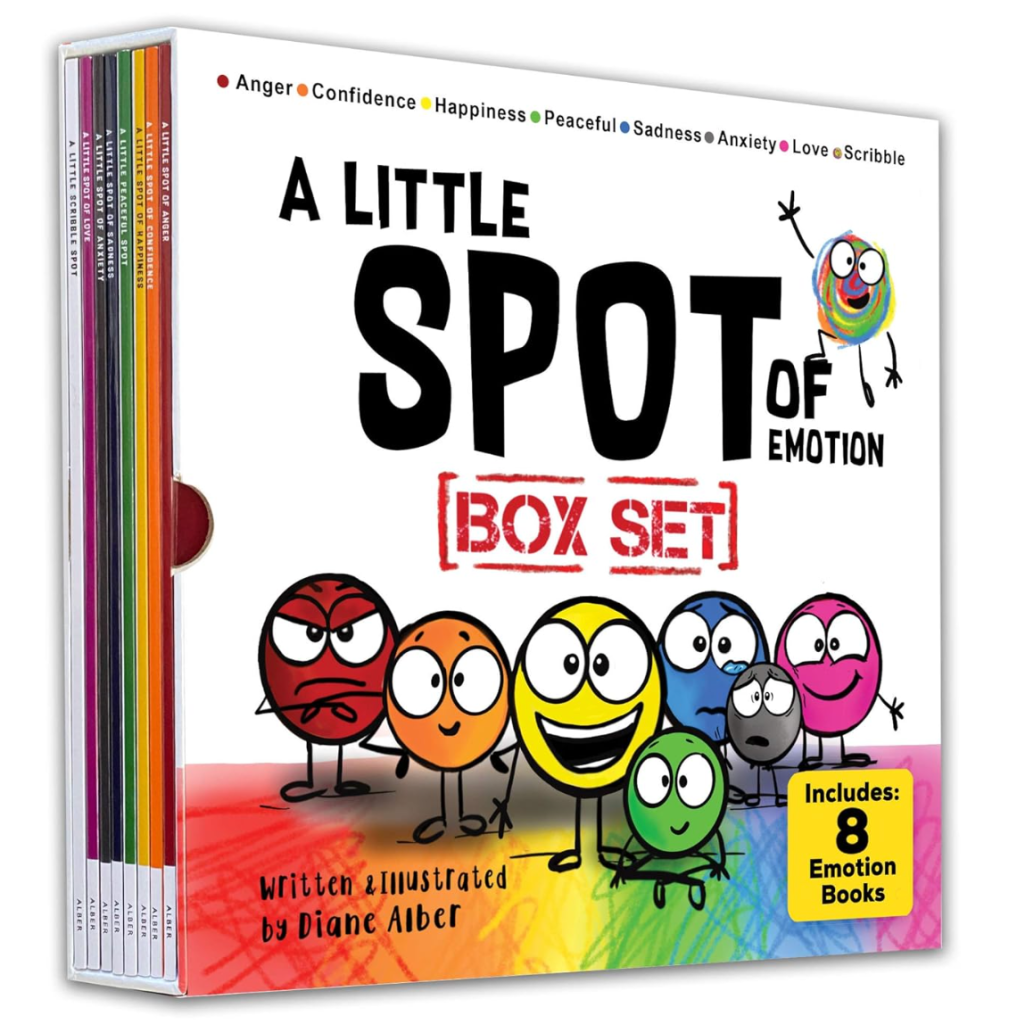


Don’t Take the Bait: How to Give Your Child Space During a Meltdown
When young children start yelling or pushing your buttons, your instinct as a parent might be to argue back or shut it down fast. But here’s the thing — arguing with an angry 5–6 year old is like throwing water on a grease fire. It usually makes the meltdown bigger, not better.
Instead, focus on calm parenting techniques. Keep your voice steady, your sentences short, and your exits graceful. Clear, simple boundaries help young children feel safer when emotions run high.
For example:
“I’m not going to talk to you when you’re yelling. Let’s try again later.”
Sometimes the most helpful response is to step back and give your child space to calm down. Let them go to their room, listen to music, draw, or just be alone for a few minutes. This gives their nervous system time to settle.
Hovering over an upset child with “What’s wrong? Talk to me!” can actually increase anger and overwhelm. Many young kids need quiet time before they can talk about their feelings, not pressure to explain them right away.

Setting Clear, Age-Appropriate Boundaries for 5–6 Year Olds
You’re still the parent, not a doormat.
- Yelling at people = not okay
- Throwing things = not okay
- Slamming doors? You can fix that with a screwdriver (yep, I’ve taken doors off hinges before).
Be clear, be consistent, and follow through.
One thing I’ve found surprisingly helpful is making them clean up after themselves when they let their anger get messy. If they throw something across the room, they’re the one picking it up. If they scribble on the wall in a fit of rage, they’re the one with the sponge and soapy water. But — and this part is important — I always let them cool down first before asking them to clean up. And I’m kind about it, only expecting them to do the part they can reasonably manage. It’s not about punishment — it’s about showing them that actions have consequences, even small ones. Plus, it helps them shift from “I’m mad” mode to “I’m fixing it” mode, which often calms them down even more.
Teach Young Children to Cool Off Without Saying “Calm Down”
Nobody calms down just because they’re told to — especially young children with big emotions. Instead of saying “calm down,” try offering healthy ways for kids to release anger and frustration:
- Suggest a walk, a shower, or a favorite sport to help burn off stress
- Give them a notebook to “brain dump” feelings through drawing or writing
- Let music do some of the emotional heavy lifting for a while
It’s also important to teach mindfulness for kids, and not only when they’re already angry. Mindfulness works best as a preventive tool, not a punishment. Think of it as a mental reset button your child can use anytime — not just during a meltdown. The more young children practice mindfulness when they’re calm, the easier it is for them to access those skills when emotions run high.
If you’re looking for simple ideas, Mindful Kids: Planting Calm in Busy Little Minds offers kid-friendly mindfulness activities that help children slow down, focus, and find their own calm.
When it comes to my daughter, I already know that if I’m the one teaching her math, we’ll probably end up halfway through the session angry, frustrated, and possibly crying — her over numbers, me over my life choices. And honestly? That awareness is helpful. When we expect emotional overwhelm, we can plan ahead.
We set small, realistic learning goals before we start so neither of us reaches a breaking point. Sometimes I turn it into a game with gentle challenges like, “Let’s see if you can get through this without getting angry,” or “If you start to feel mad, try slow breathing or counting to ten.”
I also remind her that she doesn’t always need me hovering. Encouraging independent learning in kids can reduce stress for both of us — and often leads to fewer angry-crying math sessions. These are some of the strategies that have helped her learn on her own: Helping Your Kid Learn Independently: A Parent’s Guide.
Model Healthy Anger: How to Lose Your Cool Gracefully for Young Children
Let’s be honest — no parent stays calm 24/7. We get stressed, irritated, and flat-out angry sometimes. And for young children, how we handle our anger matters just as much as how we handle theirs.
When my daughter sees me lose my temper and then recover in a healthy way, she’s learning what to do with big emotions. If I’m snapping because traffic was awful or I spilled coffee on my laptop, I try to name my feelings out loud:
“I’m feeling really frustrated right now, so I’m going to take a minute before I say something I regret.”
Sometimes that means stepping outside, grabbing a glass of water, or sitting quietly until my nervous system settles. When I come back, I explain:
“I was upset earlier, but taking a break helped me calm down. Now I can talk about it without yelling.”
This kind of emotion modeling teaches kids that:
- Adults get angry too — and that’s normal
- Anger doesn’t have to lead to yelling or breaking things
- You can repair and reconnect after a heated moment
Another important factor parents often overlook is sleep — for kids and adults. Overtired brains are grumpy brains, no matter the age. I’ve noticed that many of our toughest moments happen when one (or both) of us didn’t sleep well. A well-rested 5–6 year old is better able to handle small frustrations, and a well-rested parent is far more likely to respond calmly instead of reacting emotionally.
Parenting isn’t about being endlessly patient or getting it right every time. It’s about showing children that even when you lose your cool, you can find it again — without causing damage to people, relationships, or phones.
Ask for Help When Your Child’s Anger Feels Overwhelming
If anger in young children is constant, aggressive, or feels scary, it’s not something to brush off as “just hormones.” Ongoing anger, frequent meltdowns, or physical aggression can be a sign that a child needs extra emotional support. Talking to a school counselor, pediatrician, or child therapist can help your child learn coping skills you can’t provide alone. This isn’t about labeling your child — it’s about giving them tools to manage big emotions.
Young children are like emotional weather — sunny one moment, stormy the next. You can’t prevent every storm, but you can build a sturdy shelter through calm parenting responses, clear and fair rules, and plenty of patience. Over time, those steady supports help children feel safe enough to regulate their emotions.
And remember… in a few years, you might actually miss the dramatic sighs and over-the-top reactions.
(Maybe.)
Big emotions often start showing up early, and how children learn to understand and manage them is deeply connected to what happens in preschool and early childhood learning. For insights into these formative years, check out our Preschool & Early Childhood guide.
Helping children understand and express their feelings is a key part of their emotional growth and behavior journey. For more insights on emotional development, behavior patterns, and supportive parenting strategies, explore our Emotional Growth & Behavior pillar.




Leave a reply to All Posts – Lukewarm Mom Cancel reply