

Traveling overnight with kids can be tricky. Long car rides, unusual sleep times, and restless little ones often make parents anxious. But with some preparation and smart strategies, overnight car journeys can become manageable—and even enjoyable! Here’s a guide to help your kids stay comfortable, entertained, and rested while you drive through the night.
Plan the Route and Stops
1. Choose Rest-Friendly Routes
When planning an overnight car journey with kids, the route you take can make a huge difference in how smooth the trip is.
- Pick highways or main roads over smaller streets: Main roads usually have more rest areas, gas stations, and 24-hour facilities. This ensures you have safe, reliable stops if kids need a bathroom break, snack, or a quick stretch.
- Identify rest areas in advance: Use apps like Google Maps, Waze, or highway-specific apps to locate rest stops, fast-food restaurants, or convenience stores along the route. Knowing where to stop reduces stress if kids get fussy or need urgent bathroom breaks.
- Look for kid-friendly stops: Some highways and larger rest areas have playgrounds or open spaces where children can move around safely. Even a short 10-minute run around helps them burn energy before getting back in the car.
- Avoid complicated or high-traffic routes at night: Stick to roads that are straightforward and well-lit to reduce anxiety for both the driver and kids.
- Plan flexible stops: Overnight trips can be unpredictable, so having multiple potential stops mapped out allows you to adjust based on your child’s needs or unexpected delays.
Choosing rest-friendly routes ensures your journey is safe, predictable, and less stressful, helping kids stay comfortable and parents stay calm.
2. Plan Breaks
Even during overnight car journeys, regular breaks are essential for kids—and for parents! Sitting in a car for hours can make little ones restless, uncomfortable, and cranky.
- Schedule stops every 2–3 hours: Short breaks give kids a chance to stretch, use the bathroom, and move around. This also helps prevent stiffness or discomfort from sitting too long.
- Use breaks strategically: Let kids burn off energy with a quick walk, a few jumping jacks, or even a mini playground if you find one along the route. Physical activity helps them relax and sleep better when back in the car.
- Bathroom breaks are key: Kids often need to go more frequently than adults. Planning stops at rest areas or 24-hour facilities reduces accidents and stress for both kids and parents.
- Snack and hydration stops: Breaks are a good time for a quick drink of water or a small snack. Avoid heavy meals right before getting back on the road to prevent discomfort or nausea.
- Keep stops short and consistent: 10–15 minutes is usually enough for stretching and a bathroom visit without disrupting sleep schedules too much.
3. Know Your Stops
When traveling overnight with kids, it’s not enough to just plan breaks—you need to know exactly where you’ll stop. Being familiar with your stops makes the journey smoother and reduces stress when kids need something quickly.
- Mark key locations in advance: Use Google Maps or travel apps to identify rest areas, 24-hour gas stations, diners, or convenience stores along your route. Having these marked helps you make quick decisions without scrambling.
- Check facilities at each stop: Make sure your planned stops have clean bathrooms, safe parking, and space for kids to stretch. Some rest areas may have playgrounds, which are perfect for a short energy-burning break.
- Have backup stops: Kids can be unpredictable—sometimes you might need a break sooner than expected. Identify a few alternative stops along the route in case of traffic, closures, or sudden needs.
- Know food and drink options: Knowing where to grab a quick snack or water reduces stress and prevents kids from getting hangry during the drive.
- Keep stops flexible: Overnight trips can change based on sleep patterns, moods, or road conditions. Knowing your stops ahead of time gives you the flexibility to adjust while keeping kids comfortable.
Being prepared with clearly mapped and checked stops makes the overnight car journey calmer, safer, and more predictable for both kids and parents.

Maintain a Mini Bedtime Routine
4. Maintain a Mini Bedtime Routine
Even on the road, kids respond well to familiar routines. Keeping bedtime habits consistent—even during overnight car journeys—helps signal to your little ones that it’s time to wind down, making it easier for them to sleep.
- Bring comfort items from home: Favorite blankets, stuffed toys, or pillows create a sense of familiarity and security, which helps kids relax in an unfamiliar environment.
- Use soft lighting or dim the car: Dimming interior lights or using a small, soft nightlight mimics the bedtime atmosphere at home.
- Play calming music or audiobooks: Gentle lullabies, bedtime stories, or soothing instrumental music can help signal that it’s sleep time.
- Keep pre-sleep rituals: If your child usually reads a story or has a special phrase before bed, try to replicate that in the car. Small rituals provide continuity and comfort.
- Set expectations gently: Let kids know when it’s time to rest, and keep interactions calm to reinforce the sleep environment.
By maintaining a mini bedtime routine in the car, you create a sense of normalcy and security, making it easier for kids to relax, fall asleep, and stay asleep during an overnight journey.
Pack Smart and Accessible Snacks
5. Pack Healthy Snacks and Water
Overnight car journeys can leave kids hungry, thirsty, or cranky—often leading to “hangry” moods. Keeping healthy snacks and water within easy reach helps prevent meltdowns and keeps the ride smooth.
- Choose easy-to-eat, non-messy snacks: Crackers, fruit slices, cheese sticks, cereal bars, or dry fruits are great options. Avoid sticky or crumbly foods that can make a mess in the car.
- Keep water bottles handy: Hydration is important, especially during long rides. Encourage kids to sip water regularly to stay comfortable.
- Avoid sugar right before sleep: Sugary snacks can give kids a burst of energy, making it harder for them to fall asleep. Stick to light, nutritious options if bedtime is approaching.
- Use small containers or snack bags: Pre-portioning snacks into individual bags makes distribution easier and reduces chaos while driving.
- Plan for unexpected hunger: Even if kids ate before leaving, having extra snacks handy ensures you’re prepared for sudden cravings or delays.
By keeping healthy snacks and water accessible, you can manage hunger, maintain energy, and prevent crankiness, making the overnight journey calmer for everyone.
Keep Kids Comfortable in the Car
6. Keep Kids Comfortable
Comfort is key for kids during overnight car journeys, especially when temperatures can fluctuate between day and night or between different regions. Dressing them in soft, layered clothing helps keep them cozy and allows you to adjust easily.
- Layering is essential: Use t-shirts or onesies as a base layer, add a light sweater or hoodie, and top with a jacket or blanket if needed. Layers make it easy to remove or add clothing depending on the temperature inside the car.
- Choose soft, breathable fabrics: Cotton or soft blends prevent irritation and help kids stay comfortable for hours. Avoid scratchy fabrics or tight clothing that can make them fussy.
- Consider socks and slippers: Feet can get cold during long rides, especially at night. Soft socks or slip-on slippers help keep them warm.
- Bring a small blanket: Even with layers, a familiar blanket adds warmth and comfort, helping kids feel secure and cozy while they sleep.
- Check the car temperature: Adjust air conditioning or heating to a comfortable level and ensure airflow doesn’t blow directly on the child.
By dressing kids in soft, layered clothing, you can easily adapt to changing temperatures and help them stay comfortable, relaxed, and ready to sleep during the overnight journey.
7. Support Kids’ Neck and Comfort with Travel Pillows
Long hours in a car seat can make kids’ necks and backs sore, making it harder for them to sleep. Travel pillows provide the support they need to rest comfortably and safely during overnight journeys.
- Choose age-appropriate travel pillows: U-shaped pillows are great for younger kids, while memory foam or inflatable pillows can work well for older children.
- Provide proper neck support: A pillow helps keep the head in a comfortable position and prevents it from tipping uncomfortably to the side during naps.
- Bring a familiar pillow or blanket: Combining a travel pillow with a small blanket from home can create a cozy, familiar sleep environment that encourages rest.
- Encourage correct posture: Remind kids to sit upright with their seat belts properly fastened, using the pillow to reduce strain and prevent discomfort.
- Use pillows for lounging, not jumping: Travel pillows are for comfort, not play. Keeping this rule helps avoid unnecessary distractions or mess in the car.
With travel pillows, kids can relax their necks, sleep more comfortably, and arrive at your destination rested and ready for the day.
8. Keep Kids Cozy with Blankets
Blankets aren’t just for warmth—they provide comfort and a sense of security that helps kids relax and sleep better during overnight car journeys.
- Bring familiar blankets from home: A favorite blanket can make an unfamiliar environment feel safe, helping kids settle down more easily.
- Choose soft, breathable fabrics: Fleece or cotton blankets keep children warm without making them overheat.
- Layer for extra warmth: On colder nights, use a thin blanket over a soft travel pillow or layered clothing for added comfort.
- Easy access: Keep blankets within reach so kids can adjust themselves without disturbing the driver.
- Use blankets for napping or lounging: Beyond sleep, blankets can help kids feel cozy during quiet rest periods or long stretches in the car.
Having blankets on hand helps children stay warm, comfortable, and relaxed, making it easier for them to rest and enjoy the overnight journey.
Entertainment on Hand
9. Keep Kids Entertained
Even during overnight trips, kids may get restless or bored, which can make the journey stressful. A few well-planned entertainment options can keep them engaged, calm, and happy without disturbing sleep.
- Audiobooks and bedtime stories: Calming audiobooks or recorded bedtime stories can soothe kids and encourage them to rest while still keeping them entertained.
- Soft music or playlists: Gentle music or lullabies help maintain a peaceful atmosphere in the car.
- Quiet travel games: Magnetic board games, sticker books, or small puzzles keep kids engaged without making a mess or creating noise.
- Coloring and drawing supplies: Compact coloring books or travel-sized art kits are perfect for keeping little hands busy.
- Headphones for personal listening: Allow kids to enjoy audio entertainment without disturbing others in the car.
By providing light, quiet entertainment, kids stay occupied and calm, reducing complaints and making the overnight journey smoother for everyone.
Safety Comes First
10. Safety Comes First
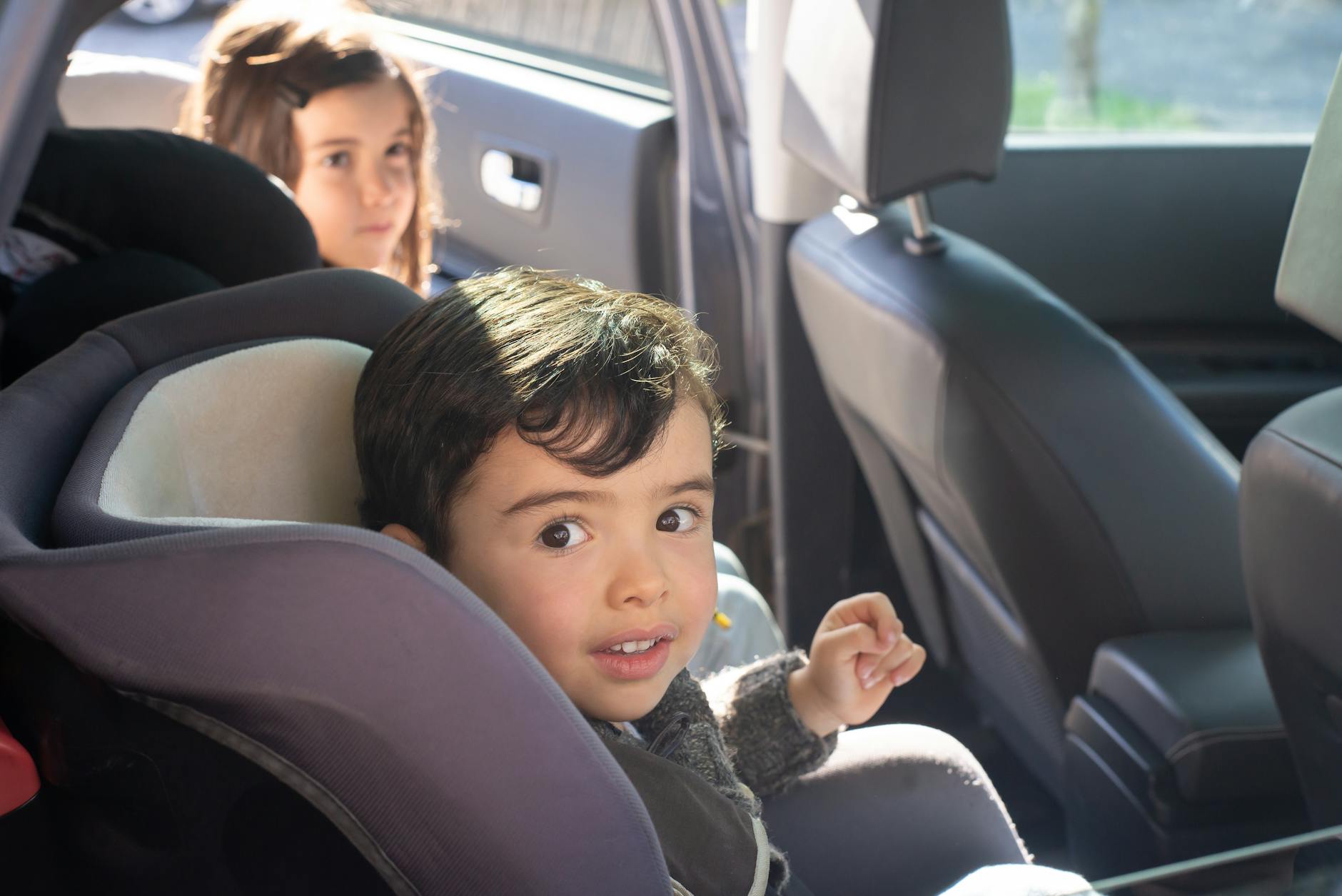
Safety is the most important aspect of overnight car journeys with kids. Properly installed car seats or boosters keep children secure and reduce the risk of injury, while giving parents peace of mind.
- Follow manufacturer instructions: Always install car seats or boosters according to the manufacturer’s guidelines. Each seat may have specific requirements for belts, straps, and positioning.
- Check seat placement: Rear-facing seats are safest for infants and toddlers, while forward-facing or booster seats suit older kids. Ensure the seat is securely anchored and doesn’t move more than an inch in any direction.
- Use seat belts correctly: Even with a car seat or booster, ensure the seat belt fits snugly across the child’s shoulder and lap. Avoid twisted belts or loose straps.
- Regularly inspect seats: Check for wear and tear, proper harness tension, and correct installation before every trip.
- Keep a small first aid kit handy: Along with safety seats, having basic supplies ready for minor bumps or emergencies helps you stay prepared.
By prioritizing car seat and booster safety, you ensure your kids are protected throughout the journey, making the overnight trip safer and more relaxed for everyone.
11. Keep Seat Belts Fastened at All Times
Even during overnight trips when kids may be sleepy or fidgety, keeping seat belts securely fastened is crucial for their safety. Properly restrained children are much less likely to be injured in case of sudden stops or accidents.
- Always buckle up: Make sure every child is seated in the correct car seat, booster, or regular seat with the seat belt fastened, even during short stretches or when the car is moving slowly.
- Check the fit: The seat belt should lie flat across the shoulder and lap, not the neck or stomach. For booster seats, ensure the lap belt sits low on the hips.
- Re-check after naps or movement: Kids often wiggle or shift while sleeping. Check periodically to ensure the belt remains snug and correctly positioned.
- Teach kids the importance: Explain in simple terms why seat belts keep them safe, encouraging cooperation and reducing resistance.
- Avoid distractions: Secure seat belts before starting the trip, and only adjust while the car is stopped if needed.
Keeping seat belts fastened at all times ensures that your kids remain safe and secure throughout the overnight car journey, giving parents peace of mind while driving.
12. Keep Kids Seated at All Times
It can be tempting for kids to move around, especially on long overnight drives, but allowing them to do so is extremely dangerous. Keeping children seated properly is essential for their safety.
- Explain the rules clearly: Let kids know that seat belts must stay fastened and they must remain in their seats while the car is moving. Simple explanations about safety help them understand why it’s important.
- Use car seats and boosters correctly: Properly installed seats keep kids safely contained and discourage unnecessary movement.
- Engage them with entertainment: Books, audiobooks, or quiet games reduce restlessness and the urge to move around.
- Check periodically while stopped: If a child needs to stretch or move, do it only during planned breaks when the vehicle is stationary.
- Lead by example: Adults should also remain seated and buckled, reinforcing the habit of safety for children.
By ensuring kids stay seated at all times, you minimize the risk of injury and maintain a calm, safe environment during the overnight journey.
13. Pack a Small First Aid Kit and Essential Medications
Being prepared for minor emergencies during an overnight car journey helps you stay calm and ensures your kids’ comfort and safety.
- Include basic supplies: Band-aids, antiseptic wipes, gauze, adhesive tape, and a small pair of scissors can handle minor cuts or scrapes.
- Pack medications your child may need: Include fever reducers, allergy medicines, motion sickness tablets, or any prescribed medications. Keep them in their original packaging for proper dosage guidance.
- Bring extras for comfort: Hand sanitizer, tissues, and wet wipes are useful for quick clean-ups and hygiene.
- Organize for accessibility: Keep the first aid kit and medications within easy reach in the car so you can access them quickly without unpacking bags.
- Check before each trip: Ensure your kit is stocked, medications are up to date, and nothing is expired.
Having a small first aid kit and essential medications ready ensures you can handle minor health issues quickly, reducing stress and keeping the overnight journey safe and smooth for your kids.
Encourage Sleep, but Stay Flexible
14. Be Flexible with Sleep
Every child has a different sleep pattern, especially during overnight car journeys. Some may fall asleep immediately, while others may stay awake or wake up intermittently. It’s important for parents to stay flexible and not stress if sleep doesn’t go perfectly.
- Accept short naps: Even a brief rest is better than no sleep at all. Celebrate the small wins and adjust expectations accordingly.
- Soothing techniques: If a child wakes up, gentle reassurance, soft music, or reading a short story can help them settle back down.
- Adjust schedules if needed: Overnight travel may slightly shift sleep patterns. Be ready to adapt bedtime routines once you reach your destination.
- Stay calm: Kids can pick up on parental stress. A relaxed approach encourages them to settle more easily.
- Plan recovery time: If sleep is disrupted, allow extra rest the following day to help kids recharge.
Being flexible with sleep helps reduce tension for both kids and parents, making the overnight journey smoother and more enjoyable.
15. Create a Comfortable Sleep Environment
Even in a moving car, small adjustments can make a big difference in helping kids sleep well during overnight journeys.
- Adjust the car temperature: Keep the cabin comfortable—not too hot or cold. Layered clothing and blankets can help fine-tune warmth.
- Use soft white noise or calming sounds: Gentle white noise, rain sounds, or lullabies can mask outside road noises and help kids drift back to sleep.
- Gently soothe waking children: If a child wakes up, soft touches, quiet reassurance, or low-volume music can help them settle without fully waking them.
- Minimize bright lights: Dim interior lights and avoid screen glare, which can interfere with sleep.
- Keep interactions calm: Speak softly and avoid stimulating activities to maintain a peaceful environment.
Creating a comfortable sleep environment in the car helps children rest better, reduces crankiness, and makes overnight journeys more relaxing for everyone.
16. Make the Most of Short Naps
During overnight car journeys, kids may not always sleep for long stretches. Accepting short naps can still make a big difference in keeping them rested and happy.
- Value every bit of rest: Even 20–30 minutes of sleep can improve mood, energy, and overall comfort during the trip.
- Adjust expectations: Understand that sleep may be fragmented while traveling, and that’s normal.
- Encourage relaxation between naps: Gentle music, soft blankets, or a favorite toy can help kids rest even if they aren’t fully asleep.
- Plan flexible recovery: Once you reach your destination, allow for extra sleep or naps to make up for any lost rest.
- Stay calm as a parent: Relaxed attitudes help kids feel secure and make it easier for them to rest in short bursts.
By embracing short naps, you ensure your kids get necessary rest, helping everyone stay more comfortable and less stressed during overnight car trips.
Overnight car journeys with kids don’t have to be stressful. Planning ahead, keeping kids comfortable, maintaining familiar routines, and having a few entertainment options can make a big difference. With these tips, you can enjoy smoother rides, less crankiness, and more energy for family adventures at your destination!





Leave a reply to All Posts – Lukewarm Mom Cancel reply