

I always knew that postpartum recovery takes time. People told me — two years for your body to heal, postpartum depression is a possibility, it’s a tough phase. I wasn’t prepared, but I was aware.
So I waited. Two long years, eagerly expecting to magically transform back into my old self.
But nah… motherhood had other plans. What no one really told me is that my brain itself had changed — in ways I never imagined. The famous ‘mom brain’ — brain fog, forgetfulness, emotional ups and downs, even feeling extra sensitive — it was all real. These are part of the postpartum brain changes that science is only now beginning to explain
1. Shrinking — but Growing Stronger
Research shows that after childbirth, some areas of a mother’s brain actually shrink. This might sound scary, but it isn’t. It’s part of the natural postpartum brain changes that make moms more focused, efficient, and tuned in to their baby’s needs. Think of it like pruning a tree — a little trimming helps it grow healthier and stronger. 🌱
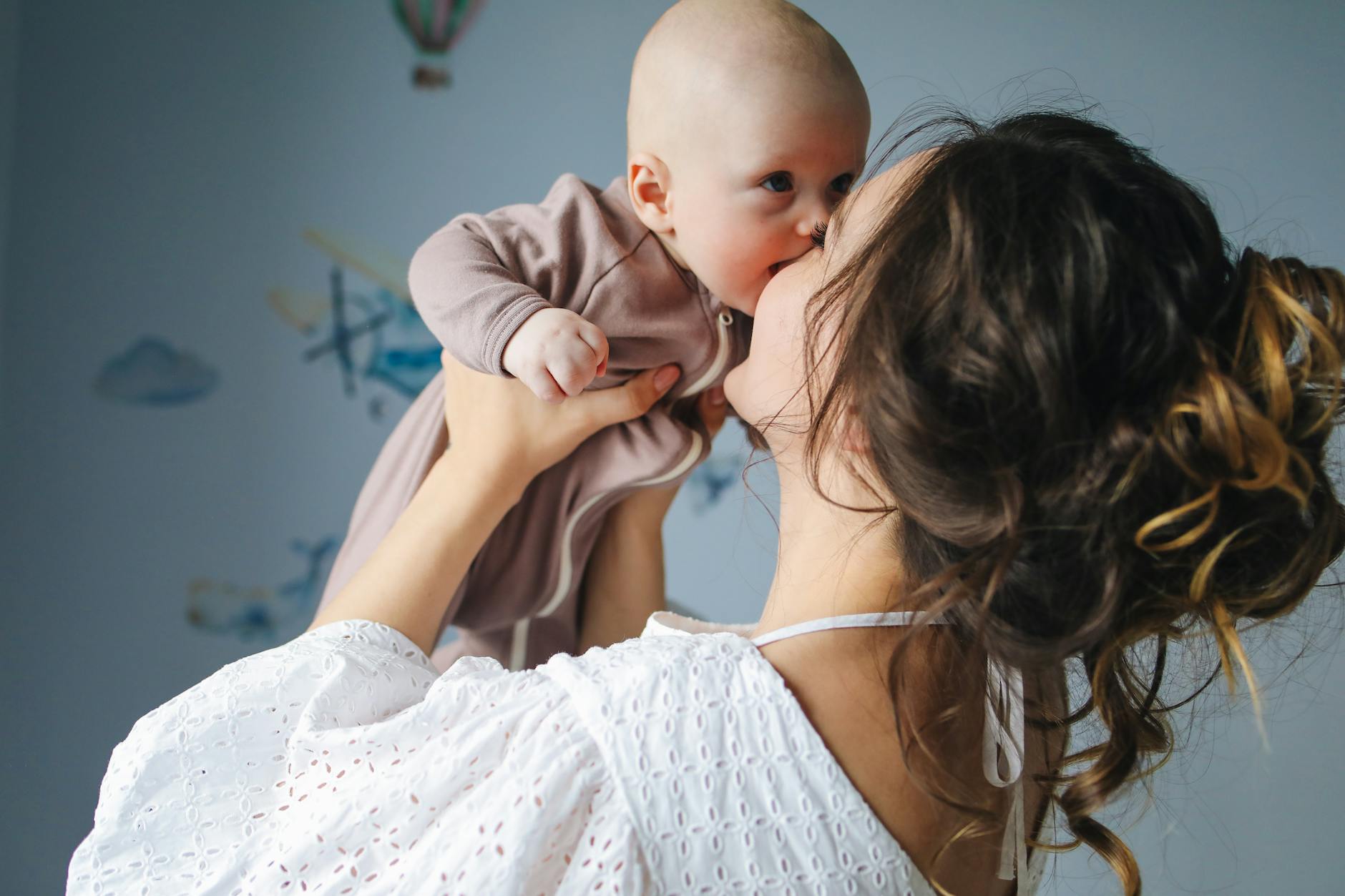
2. Supercharged Empathy
Your brain rewires itself to become more tuned in to your baby. That’s why you can often “just know” when your baby needs you — even if they make the tiniest sound at night. This is called maternal instinct, but science shows it’s actually your brain adapting beautifully.
3. Shifts in Memory and Focus
Yes, “mom brain” is real! Forgetfulness or brain fog can happen because your brain is devoting extra energy to bonding and caregiving. It’s temporary — and over time, many moms find they become better multitaskers.
4. Emotional Sensitivity
Hormonal changes combined with brain rewiring make moms more emotionally sensitive. This can feel overwhelming, but it also means your capacity to nurture and connect is stronger than ever.

5. Long-Term Changes
Research suggests postpartum brain changes can last for years — maybe even permanently. But instead of seeing it as a loss, think of it as a transformation: your brain is adapting to its most important role — nurturing life.
Around the time my son was born, a stray kitty wandered into our home. I had always thought of myself as a dog person — cats weren’t really my thing. But within days, I found myself worrying about her food, her comfort, her safety. I realized I had become her mom too.
Looking back, I see it clearly now: it wasn’t just my heart that had expanded, it was my postpartum brain changes at work. Motherhood had rewired me to care more deeply, to tune in to needs I might have overlooked before.
Becoming a mom doesn’t happen in a single moment of birth. It unfolds in the countless moments of care we give every day.
Postpartum brain changes don’t just affect memory and focus — they can also shift how you feel about yourself and your role as a mom. For more thoughtful insights into the emotional and reflective side of motherhood — including navigating change, growth, and inner well‑being — explore our Motherhood Reflections hub for supportive stories and perspectives.






Leave a comment