
Balancing Healthy Meals and Quality Time with Kids
When I was a child, I grew up in a village surrounded by my extended family. My cousins lived next door, and while I didn’t make many friends outside, I always had family around. In truth, though, I often felt a little alone. My mom never played with me the way some moms do, but she was present in her own way.
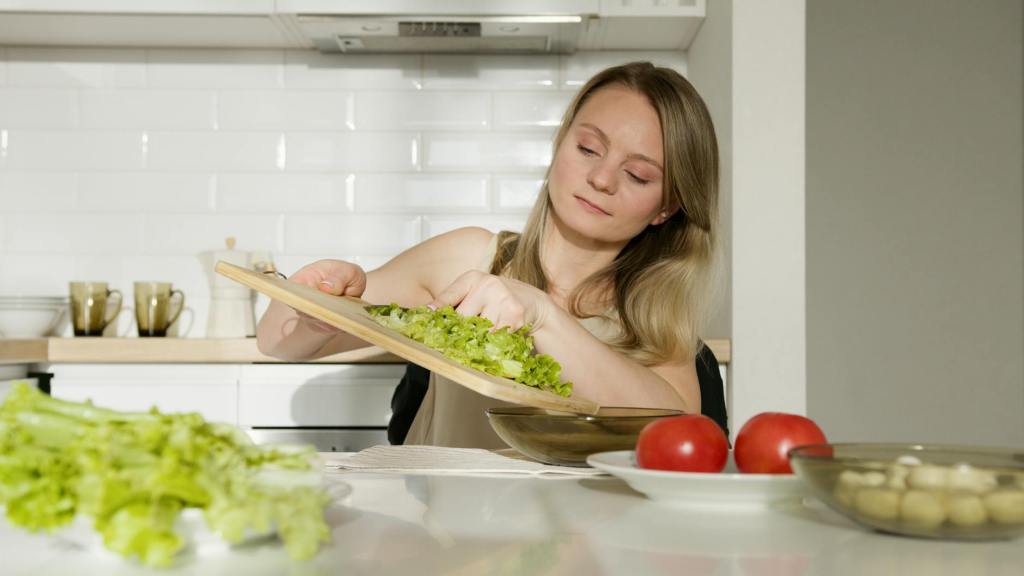
I remember sweeping the courtyard with her or helping her in the garden on rare occasions. Most of the time, though, she was either in the kitchen cooking, sewing or resting. She was always there if I said I was hungry—she would literally bounce up from her rest and cook me exactly what I wanted. I was a picky eater, and she often made me a separate dish from the rest of the family. Cooking was her love language.
Now, as a mom myself, I am blessed with two picky eaters of my own—who never, ever let their food preferences overlap. If one wants rice, the other insists on noodles. Some days it feels like I’m running a restaurant for two very demanding little customers.
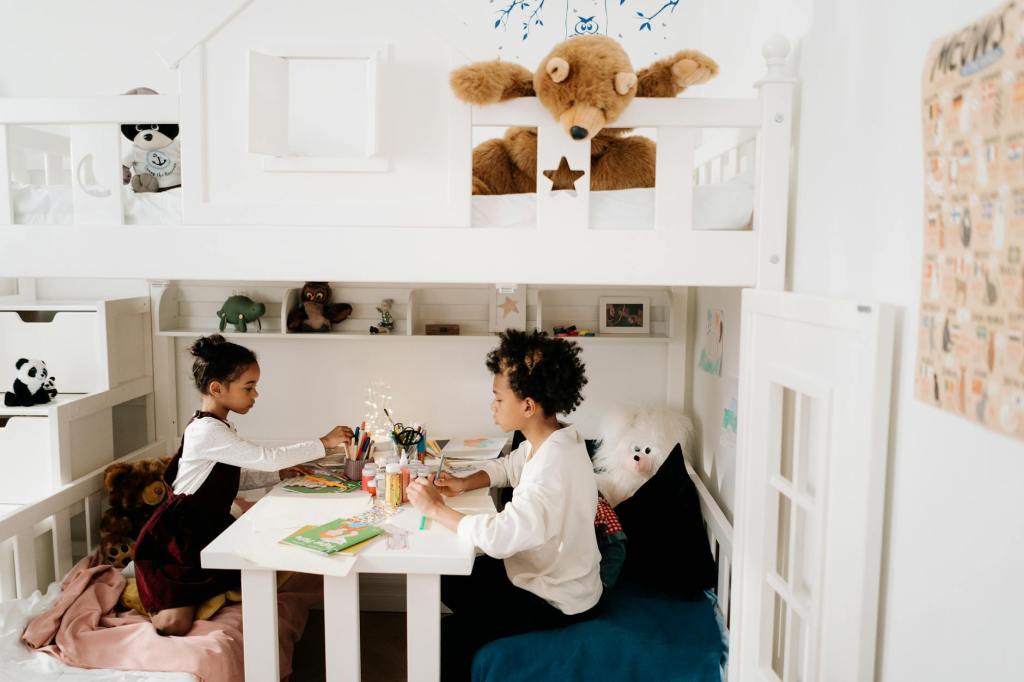
But unlike my mom, I more often than not delegate the cooking part. Instead, I play with my kids, read to them, or even get caught up in silly little arguments. My love language looks a little different.
And that’s the thing—love languages aren’t always the same across generations, or even between a mom and her kids. For my mom, cooking was how she showed care. For me, it’s presence, play, and laughter. For my kids, love looks like undivided attention, silly games, or even fighting over who gets the last piece of chocolate.

Simple Tips That Make Cooking Less Stressful
1. Try Light Meal Planning
A few minutes of planning on the weekend helps a lot. Knowing what you will cook keeps you from panicking at 6 pm when everyone is hungry.
Tip: Keep a list of 10–15 dishes your family likes. Rotate them so you don’t have to invent something new every week.
Download Free weekly meal planner here
2. Prep Smart
You don’t need to spend hours in the kitchen. Small habits save time.
- Chop veggies for 2–3 days and store them.
- Cook extra and freeze portions for busy evenings.
- Keep some quick meals ready like stir-fries, one-pot pasta or dal with rice.
3. Use Shortcuts Without Guilt
Pre-cut veggies, ready-to-use sauces and frozen parathas are not signs of laziness. They are tools. They help you save energy for the things that matter more to you.
Tip: Keep pantry basics stocked. Canned beans, pasta, oats, eggs and frozen veggies can create many healthy last-minute meals.
4. Involve Kids
Cooking doesn’t have to be a one-person job.
- Toddlers can wash veggies.
- Older kids can mix ingredients or set the table.
- Let kids choose a meal once a week.
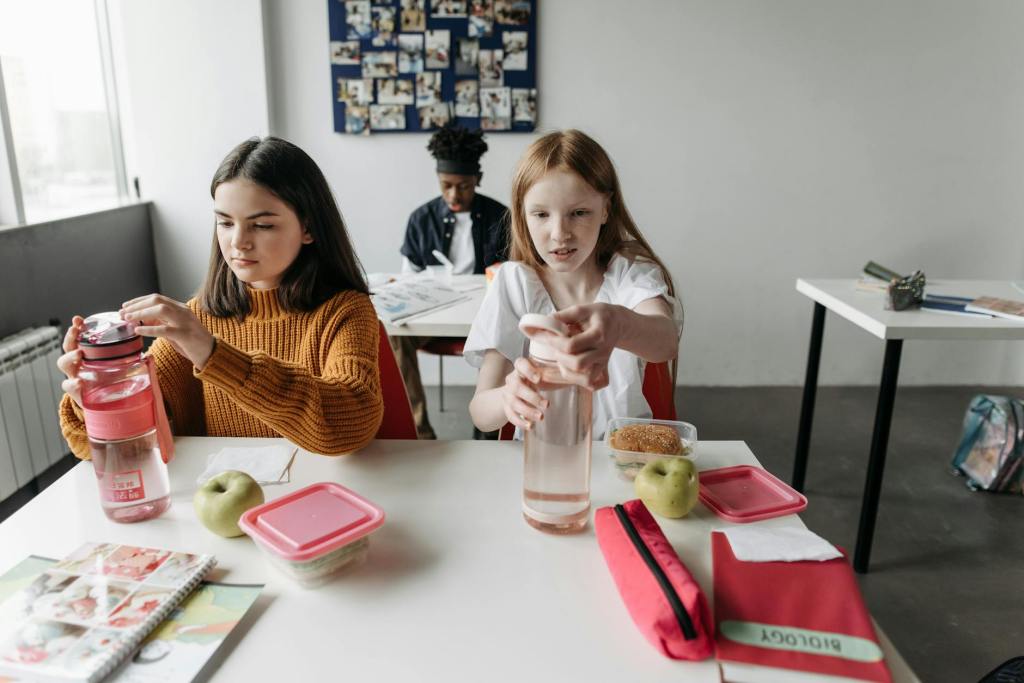
They feel proud and are more open to eating what they helped make.
Still, I feel guilty sometimes—because I know they eat more junk food than I’d like. I worry: are they growing tall enough, strong enough, fast enough? It’s easy to measure love by home-cooked meals. And on tough days, I wonder if I’m doing enough. But then I remind myself: kids don’t just need food, they need connection. Maybe they won’t remember every dish I made, but I hope they’ll remember the Lego towers, the bedtime stories, and the way I showed up for them.
Over time, I’ve learned that motherhood doesn’t have to mean being the family’s full-time cook. Here are a few things that help me strike a balance:
✨ Pick your battles – Not every meal has to be perfect. Choose one to focus on, and let the others be simple.
✨ Delegate when you can – A partner, grandparents, or even a food delivery app can be part of the solution. Accepting help doesn’t make you less of a mom.
✨ Small swaps go a long way – Tiny adjustments (like whole wheat pasta instead of regular, or baking instead of frying) add up over time.
✨ Presence matters more – A five-minute cuddle, laugh, or story can sometimes nourish your child more than a five-course meal.
So, how much of being a mom should be about cooking? Just enough to keep them healthy and loved—but never so much that we miss out on showing them love in the ways they actually feel it.
Because at the end of the day, kids don’t count the number of home-cooked meals—they remember the number of times they felt seen, heard, and cherished. Every mom has her own love language, and that’s more than enough. 💙

If you’re curious about the deeper emotional side of motherhood — from shifting expectations to nurturing your sense of self — check out our Motherhood Reflections hub for supportive insights, stories, and gentle perspectives that help you navigate mom life with clarity and compassion.



Leave a comment