

You might expect kids to start pulling away during their teenage years—but when your tween begins withdrawing, it can feel unexpected, confusing, and even a little hurtful. The child who once shared every detail of their day may now retreat to their room, give short answers, or prefer spending time with friends.
I remember a moment with my own daughter when she looked at me and said, “You look gross!”. I understood that it was probably because of my messy bun and typical “mom look” that day—but still, it stung. At that moment, I realized she didn’t mean it as a rejection of me; it was just her way of reacting to the small things in life that preteens notice so keenly. Moments like these remind us how delicate the parent-tween bond can feel, and how important it is to respond with empathy and patience.
Understanding why this withdrawal happens—and how to respond thoughtfully—is key. It’s not about controlling your child or “winning” their affection, but about creating a safe, trusting, and respectful connection that strengthens even as they explore independence. In this guide, we’ll explore practical, empathetic ways to reconnect with your distant tween.
1. Respect Their Need for Space
Tweens are at a stage where they are discovering their independence and starting to form their own identity. This often means they need more personal space—both physically and emotionally. Respecting this doesn’t mean you withdraw your love or attention; it simply means giving them room to breathe, make choices, and have time alone to process their thoughts and feelings.
- Physical space: Allow them a private area in their room for homework, hobbies, or just quiet time. Avoid barging in or hovering.
- Emotional space: Tweens may not always want to share their day immediately. Check in gently rather than pressuring them to talk.
- Timing matters: Some tweens respond better to conversation in casual moments—like during a car ride, while cooking together, or during a short walk—rather than face-to-face sit-down talks.
- Consistency is key: Let them know that while you respect their space, you are always available when they are ready to share. This helps them feel safe and supported rather than isolated.
Respecting a tween’s need for space shows that you trust them and honor their growing autonomy, which strengthens your relationship over time.
2. Listen Without Judgement
One of the most powerful ways to reconnect with a tween is simply to listen—without interrupting, correcting, or immediately offering solutions. Tweens are navigating a world of new feelings, social pressures, and self-discovery, and sometimes their reactions may seem trivial, silly, or even frustrating to adults. However, what feels small to us can feel huge to them.
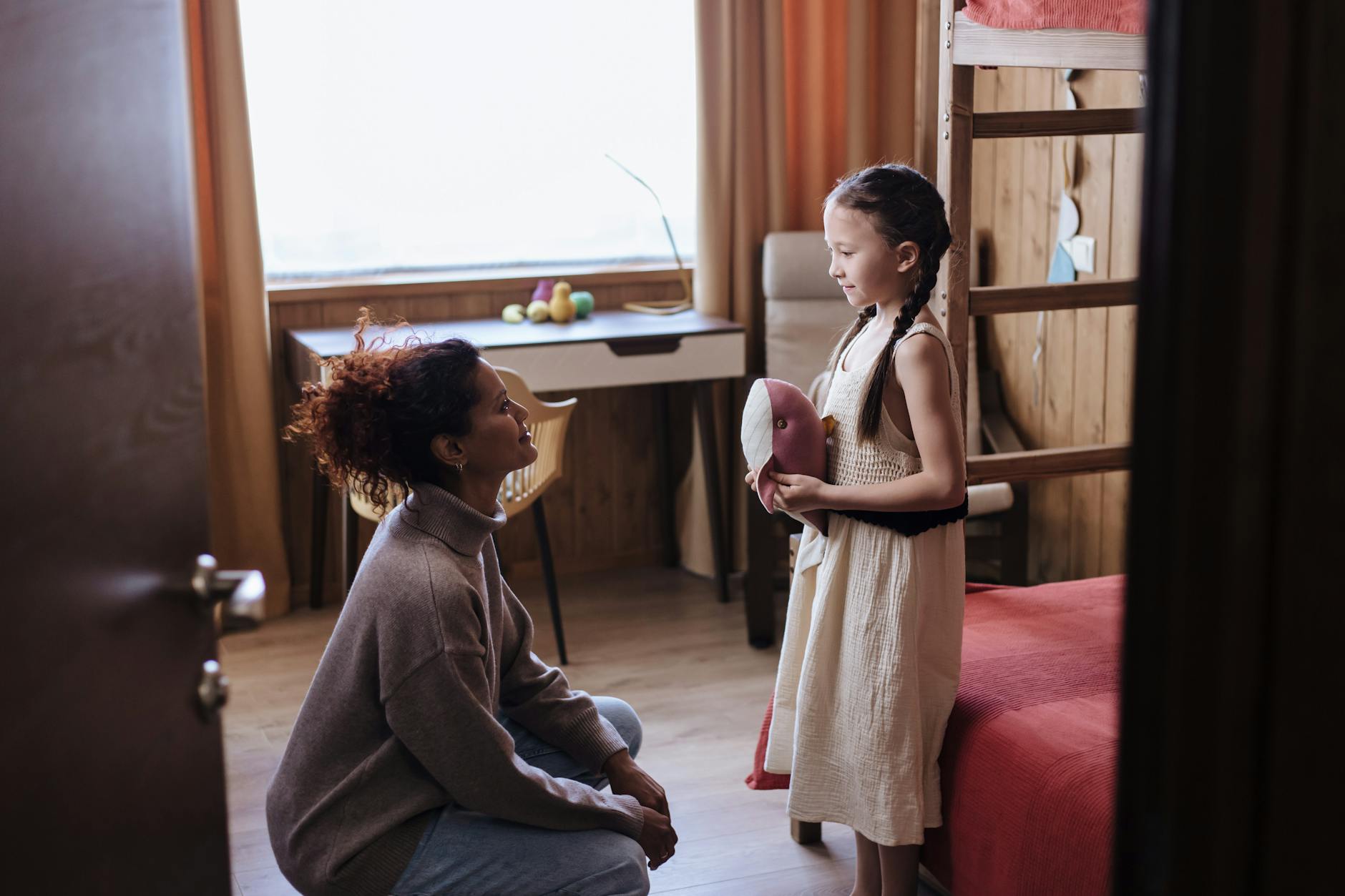
- Active listening: Give your full attention. Put away distractions like your phone or TV and make eye contact. Show you’re genuinely interested in what they’re saying.
- Validate their feelings: Even if their emotions seem minor, acknowledge them: “I understand why that upset you” or “That sounds frustrating.” This helps your tween feel seen and valued.
- Avoid immediate solutions or criticism: Jumping in with advice or telling them they’re overreacting can shut down communication. Sometimes they just want to vent and feel understood.
- Reflect and paraphrase: Repeat back what they say in your own words to show understanding: “So you felt left out when that happened at school?” This reinforces that you’re really listening.
- Stay calm, even with strong emotions: Tweens can express anger, disappointment, or embarrassment in blunt ways. Responding calmly teaches them that all emotions are manageable and safe to share.
Listening without judgment builds trust and opens the door for more meaningful conversations over time. It shows your tween that their feelings matter, that they are respected, and that they can turn to you even when they feel misunderstood by others.
3. Engage in Shared Activities
Shared activities are a natural way to reconnect with your tween without putting pressure on them to talk or open up. Tweens often withdraw because they crave independence, but participating in activities together allows connection to happen organically.
- Find common ground: Identify activities your tween enjoys—board games, cooking, gardening, biking, or a creative project—and join them. Shared enjoyment can create moments for light conversation and laughter.
- Try something new together: Introducing a new activity, like painting, a DIY project, or a sport, gives both of you a fresh experience to explore together. The novelty makes the time memorable and creates bonding opportunities.
- Keep it relaxed: The goal isn’t performance or instruction; it’s about spending quality time together. Avoid turning it into a lesson or critique, which may make your tween withdraw further.
- Create consistent opportunities: Even short, regular activities—like a 15-minute walk after school or a weekend baking session—can strengthen your connection more than occasional long sessions.
- Use activities as conversation starters: Sometimes a game or craft naturally leads to discussions about school, friends, or feelings. This makes communication feel effortless rather than forced.
Engaging in shared activities shows your tween that you value their interests and enjoy spending time with them. It builds positive experiences that help them associate closeness with comfort, trust, and fun.

4. Be Patient and Consistent
Tweens are navigating a period of rapid growth, both emotionally and socially. This means their moods, reactions, and willingness to engage with parents can change from day to day. Patience and consistency are key to maintaining a strong connection during this stage.
- Understand their pace: Some tweens may warm up quickly, while others need time to open up. Avoid rushing conversations or expecting immediate sharing—it can make them retreat further.
- Small gestures matter: Regular check-ins, a note in their backpack, a text asking how their day went, or a simple “I’m here if you want to talk” show ongoing care without overwhelming them.
- Routine reassurance: Being consistently present—even in small ways—helps your tween feel safe and supported. They learn that while they may pull away at times, your care is unwavering.
- Avoid taking it personally: Withdrawal at this stage is normal and not a reflection of your parenting. Remaining calm and patient demonstrates understanding and stability.
- Celebrate small wins: Even a short conversation, a shared laugh, or a moment of eye contact is progress. Recognizing these moments reinforces positive interactions and encourages more openness over time.
Patience and consistency teach tweens that relationships are steady and reliable, even when they’re testing boundaries or asserting independence. Over time, this helps your tween feel secure enough to share and connect more freely.
5. Use Open-Ended Questions
One of the most effective ways to encourage tweens to share their thoughts and feelings is by asking open-ended questions—questions that cannot be answered with a simple “yes” or “no.” These questions invite your tween to reflect and express themselves while giving you insight into their world.
- Encourage thoughtful responses: Questions like, “What was the most interesting part of your day?” or “How did that project make you feel?” prompt them to talk about experiences, emotions, and ideas.
- Avoid yes/no traps: Tweens often respond with short answers if asked closed questions (“Did you have a good day?”). Open-ended questions give them room to elaborate.
- Be patient with answers: Sometimes your tween may respond with one word at first. Give them time and gentle prompts like, “Tell me more about that,” or “How did that feel?”
- Stay curious, not interrogative: The goal is to show interest, not to grill them. Maintain a warm, calm tone and be genuinely engaged in their response.
- Use everyday moments: Car rides, cooking together, or even chores can be great opportunities to ask open-ended questions without making it feel like a formal sit-down talk.
Using open-ended questions consistently signals to your tween that their thoughts and feelings matter, and it helps build a safe space for them to communicate freely. Over time, this practice strengthens your connection and encourages deeper, more meaningful conversations.
6. Share Your Own Experiences
Tweens are learning to understand their feelings and navigate new social and emotional challenges. When parents share their own experiences, it helps them see that everyone—even adults—faces struggles, awkward moments, and mistakes. This normalizes emotions and models healthy ways of expressing and coping with them.

- Be relatable: Share stories from your own childhood or preteen years that mirror your tween’s experiences. For example, “I remember feeling nervous on the first day of school because I didn’t know anyone.”
- Show empathy through storytelling: This signals to your tween that it’s okay to feel uncertain, frustrated, or misunderstood.
- Keep it age-appropriate: Focus on experiences your tween can relate to without overwhelming them with adult problems.
- Invite conversation: After sharing, gently ask, “Have you ever felt that way?” This encourages them to reflect and open up about their own feelings.
- Demonstrate coping strategies: Share how you dealt with your feelings or solved problems, teaching resilience and emotional awareness.
Sharing your experiences fosters trust, empathy, and connection. Tweens learn that it’s normal to have complex emotions and that they can turn to you without fear of judgment.
7. Encourage Positive Outlets
Tweens are navigating new emotions, social pressures, and self-expression. Encouraging healthy outlets helps them process feelings in constructive ways and can reduce frustration or withdrawal. It also shows that you respect their individuality while supporting their emotional growth.
- Creative expression: Encourage activities like journaling, drawing, painting, music, or dance. These allow tweens to explore and express feelings privately.
- Physical activity: Sports, swimming, hiking, or simply running around outdoors can help release energy and manage stress. Physical movement often improves mood and focus.
- Interest-led involvement: Support hobbies your tween enjoys, even if it’s something you wouldn’t normally choose. Participating occasionally shows you value their passions without forcing interaction.
- Safe space for emotions: Let them know it’s okay to feel upset, excited, or overwhelmed and that these outlets are ways to express those feelings safely.
- Combine with connection: While the primary goal is for your tween to express themselves, joining in occasionally—like painting together or taking a bike ride—can create opportunities for natural bonding.
Encouraging positive outlets helps tweens manage emotions, build confidence, and develop skills for self-expression. It also strengthens your relationship by showing you respect their individuality and are there to support them.

8. Avoid Comparing or Assuming Preferences
Tweens are naturally exploring relationships and may show more affection or interest toward one parent at different times. This is normal and not a reflection of your parenting or their love for you. Avoid assuming that temporary preferences indicate favoritism, as this can create unnecessary guilt, tension, or insecurity—for both you and your child.
- Stay neutral and calm: Don’t react with jealousy or hurt if your tween spends more time with the other parent or seems closer to them on certain days.
- Focus on connection, not competition: Instead of worrying about “winning” their affection, invest in meaningful interactions and quality time with your tween.
- Recognize shifting preferences: Tweens’ moods, interests, and needs change frequently. What feels like favoritism one day may shift the next.
- Avoid comparisons: Never compare your child’s behavior or affection toward one parent against the other. This can create confusion and pressure.
- Reinforce consistency: Show steady love, support, and availability regardless of perceived preference. Over time, your tween learns that both parents are dependable sources of care and understanding.
By avoiding comparisons and assumptions, you create a safe environment where your tween feels secure in their relationships with both parents. This fosters trust, emotional stability, and a stronger parent-child bond.
Final Thoughts
Tween withdrawal can feel sudden, confusing, and even hurtful—but it is a natural part of growing independence and identity formation. As parents, it’s normal to worry or feel unsure about how to respond. The key is to approach this stage with empathy, patience, and consistency.
By respecting your tween’s need for space, listening without judgment, engaging in shared activities, asking thoughtful questions, sharing your own experiences, encouraging positive outlets, and avoiding assumptions about preferences, you can strengthen your connection in meaningful ways.
Remember: small, consistent gestures often matter more than grand efforts. Over time, these actions build trust, foster open communication, and help your tween feel secure, valued, and understood.
Even when it feels like they are pulling away, your steady presence, understanding, and support can help them navigate this stage with confidence—and can deepen your bond for years to come.
Reconnecting with a tween often means understanding the emotional shifts and behavioral changes that come with growing independence. Supporting this transition is part of helping your child’s emotional growth and behavior development.
For more insights and strategies on emotional development, behavior patterns, and how to support kids at different stages, explore ourEmotional Growth & Behavior pillar.
Want more strategies for stronger relationships and better parent‑child communication? Check out our Connection & Communication page for ideas you can use every day.
To learn how family roles, sibling interactions, and household dynamics influence your tween’s behavior and connection with you, visit our Sibling & Family Dynamics page for practical tips.




Leave a reply to All Posts – Lukewarm Mom Cancel reply