
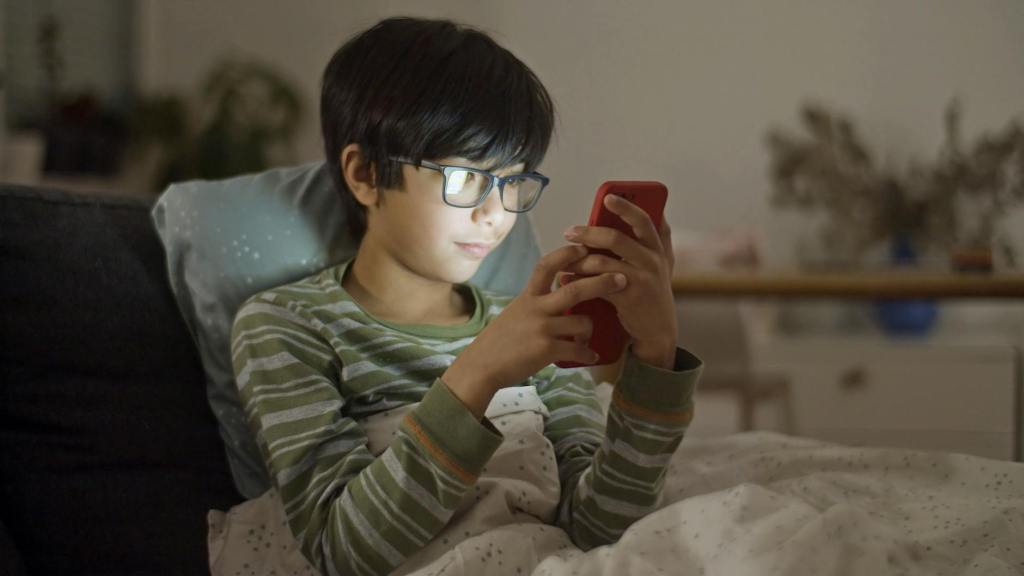
Screen Time for Kids: Limits, Risks, and Safe Digital Parenting
Screens are everywhere — from the TV in the living room to the smartphone in your pocket. For children, screens can be fun, educational, and even necessary. But when the balance tips, too much screen time can affect their health, behavior, and development.
The Indian Academy of Pediatrics (IAP) has issued clear guidelines to help parents understand how much screen time is safe and how to make digital use healthier. Here’s what you need to know.
What Exactly is “Screen Time”?
Screen time is the total time your child spends daily on devices like TVs, mobiles, computers, tablets, and video games.
Not all screen time is bad:
- ✅ Healthy use includes learning apps, online school, creative projects, and video calls with family.
- ❌ Unhealthy use includes violent games, endless scrolling, unsafe websites, or binge-watching shows.
Think of it like food — a balanced diet is healthy, but junk food in excess causes harm.
How Much Screen Time is Okay?
Children under 2 years: No screens at all (except occasional video calls with family)
Why?
- Babies learn best through real-life interactions — looking at faces, listening to voices, and exploring the physical world.
- Screens at this age can interfere with speech development and social bonding.
- Overexposure may lead to sleep disturbance because blue light affects the natural sleep cycle.
- The only exception is video calls with family, which can actually help maintain emotional connections.
Children 2–5 years: Less than 1 hour per day — and the lesser, the better
Why?
- Preschoolers are developing language, motor skills, and imagination. Too much screen time displaces crucial activities like storytelling, pretend play, outdoor games, and art.
- Excessive screen use at this stage is linked to hyperactivity, poor focus, and delayed social skills.
- Parents should choose age-appropriate, educational, and interactive content, and ideally watch together to guide learning.
Older children & teens: No fixed limit, but balance is key
Why?
- For school-aged kids, it’s not just about how much, but what kind of screen use.
- Educational content, research, and communication with friends can be positive, but if screens cut into:
- Sleep (adolescents need 8–9 hrs of uninterrupted sleep)
- Physical activity (at least 1 hr/day)
- Family meals and bonding time
- Studies and hobbies
…then it becomes excessive and harmful.
- Overuse is linked to eye strain, obesity, lower academic performance, anxiety, depression, and even media addiction.
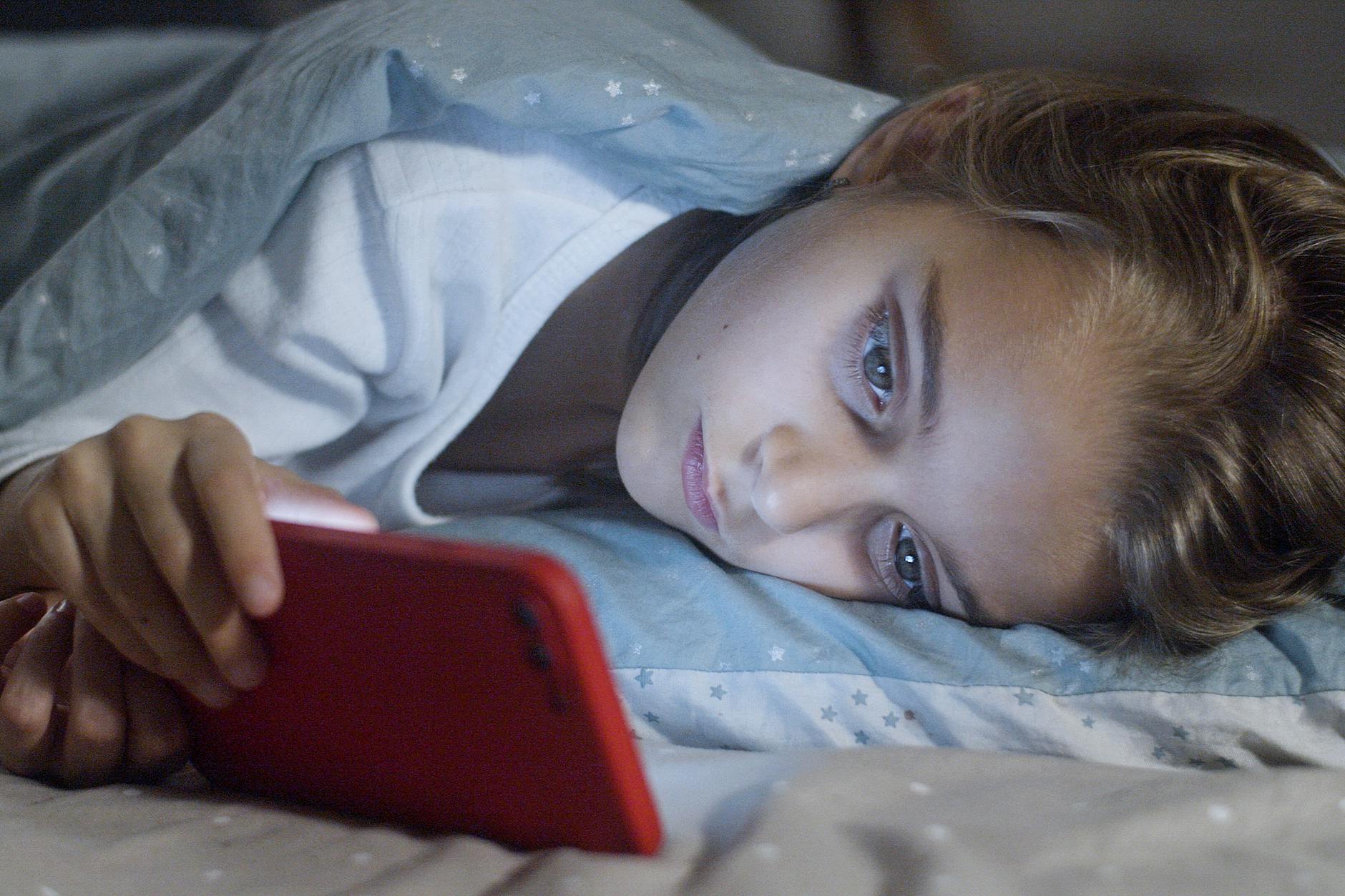
Why Too Much Screen Time is Harmful
Screens are not bad by themselves — but when children spend hours glued to them, it affects the body, mind, social life, and studies. Here’s how:
🩺 Physical Health
Eye strain & headaches: Long hours in front of screens cause dryness, irritation, and blurred vision. Blue light exposure can also disturb sleep cycles.
Obesity & sedentary lifestyle: Screen time often replaces outdoor play, leading to weight gain and related health risks. Snacking while watching TV makes it worse.
Sleep disturbance: The bright light from screens delays the release of melatonin (the sleep hormone), making it hard for kids — especially teens — to fall asleep.
Posture problems: Hunched backs, bent necks, and repetitive strain from holding devices can cause neck, back, and wrist pain — even in young children.
🧠 Mental Health
Delayed speech & language issues: Especially in toddlers, screens reduce interactive conversations, slowing down speech development.
Poor concentration & memory: Fast-moving digital content trains the brain to expect constant stimulation, making it harder to focus in school or on books.
Hyperactivity & aggression: Violent games or overstimulation can make kids more restless, impatient, and prone to aggressive behavior.
Anxiety & depression: Constant comparison on social media, cyberbullying, or lack of real-life interactions can lead to low self-esteem, loneliness, and depression.
For tips to prevent gaming addiction in kids early on, check out how-to-prevent-gaming-addiction-in-children
🤝 Social Health
Reduced face-to-face interaction: Children who spend more time online may struggle with empathy, communication skills, and building real friendships.
Isolation: Instead of playing outdoors or spending time with family, kids may retreat into digital worlds — increasing loneliness and social anxiety.
📚 Academic Impact
Lower school performance: Excessive gaming or social media cuts into homework and study time.
Reduced attention span: Kids accustomed to quick videos and instant rewards may find it hard to sit through classroom lessons.
Memory overload: Too much digital input without reflection time makes it harder to retain what they learn..
When to Introduce Devices
- Below 2 years: Avoid completely.
- 2–5 years: Only short, supervised, educational content.
- Teens: Start with basic phones for safety. Smartphones only with rules, limits, and monitoring.
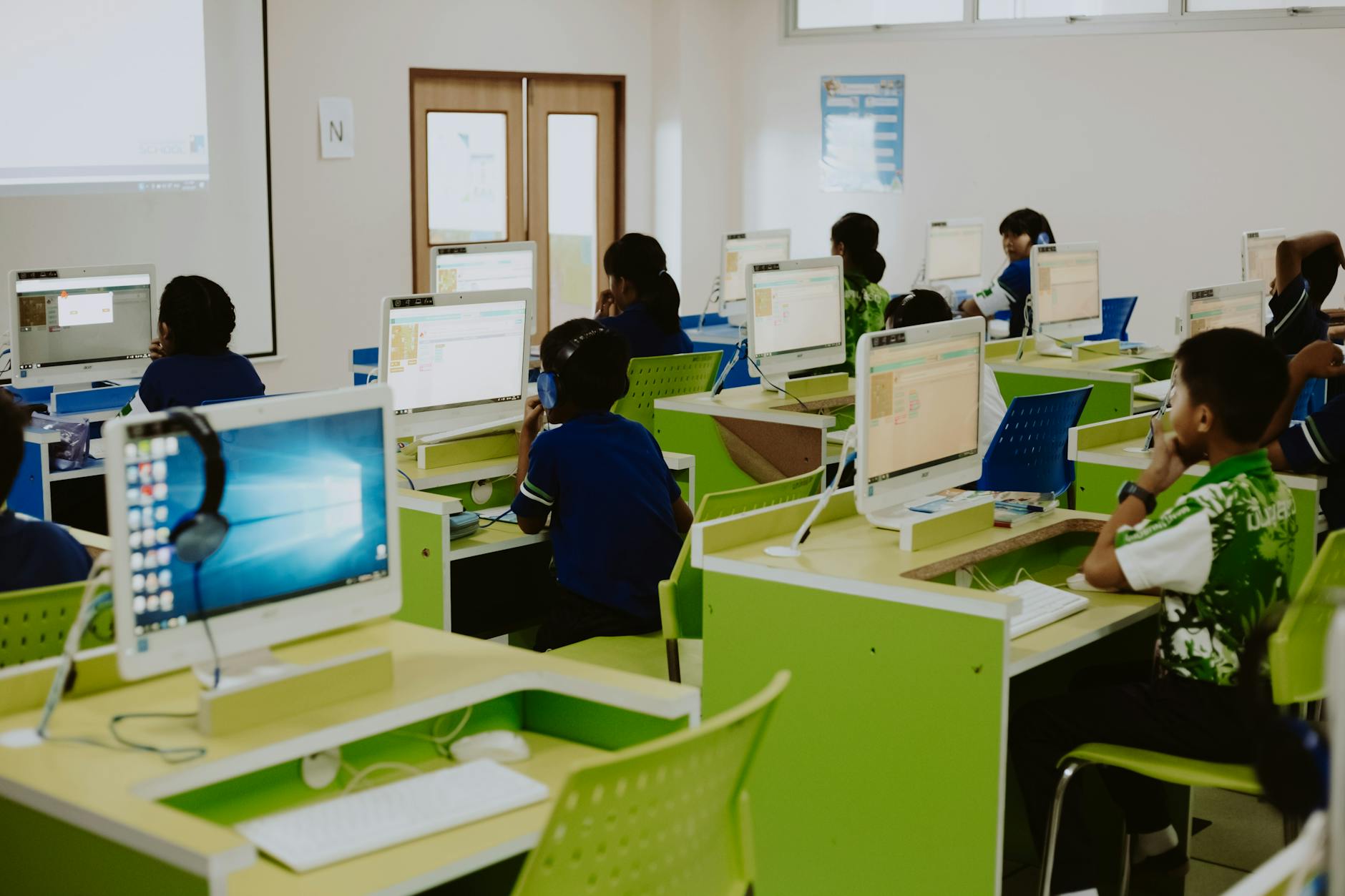
Social Media: Right Age & Risks
Children are naturally drawn to platforms like YouTube, Instagram, or WhatsApp. But are they ready?
Minimum age requirements:
- Facebook, Instagram, Twitter, Snapchat → 13 years
- WhatsApp → 16 years
- YouTube → 18 years (13–18 with parental consent)
- PUBG → 18 years
- Clash of Clans → 13 years
Children and teens today are digital natives — social media, gaming, and online platforms are a big part of their world. But while they offer benefits, they also carry serious risks.
🚨 Risks of Social Media
- Exposure to inappropriate content
- Easy access to pornography, violent videos, or harmful challenges.
- Distorts children’s understanding of relationships, safety, and behavior.
- Online predators & risky friendships
- Strangers can pose as friends, leading to unsafe interactions or exploitation.
- Cyberbullying
- Mean or hurtful messages, trolling, and public shaming.
- Leads to anxiety, depression, or social withdrawal.
- Sexting & oversharing
- Posting or sharing sexually explicit material without understanding consequences.
- Everything leaves a digital footprint that can resurface later.
- Fake news & misinformation
- Children may believe or spread false information, affecting their worldview and decision-making.
- Social media anxiety
- Constant comparison with peers through “likes” and “followers” lowers self-esteem.
- Creates FOMO (Fear of Missing Out) and FOBLO (Fear of Being Left Out).
🌟 Benefits of Social Media (When Used With Guidance)
- Learning & knowledge
- Access to educational videos, tutorials, and study groups.
- Platforms like YouTube, coding clubs, or language-learning apps.
- Creativity & self-expression
- Children can write blogs, make videos, showcase art, music, or photography.
- Digital platforms encourage confidence and skill-building.
- Staying connected
- Helps maintain contact with friends, relatives, and support networks — especially helpful for shy children.
- Support groups & advocacy
- Teens with chronic illnesses, learning difficulties, or rare conditions can find online communities.
- Platforms also allow youth to raise their voices for causes like climate change or child rights.

Teaching Good Online Manners
Before handing over a device or social media account, parents should first teach children the basics of being safe and respectful online. Just like we teach them how to behave in public, we must also teach digital manners.
- Respect others online
- No rude comments, no bullying, no spreading rumors.
- Treat people online the same way you’d treat them face-to-face.
- Protect personal details
- Never share home address, school name, phone numbers, or passwords.
- Even sharing small clues (like uniforms or landmarks in photos) can be risky.
- Think before you post
- Remind kids: “Once it’s online, it’s forever.”
- Deleted posts can still be screenshotted or saved.
- Be cautious with strangers
- Never meet online friends in real life without a trusted adult present.
- Report any suspicious behavior immediately.
- Report problems quickly
- If someone is hurtful or threatening online, don’t hide it.
- In India:
- Cybercrime.gov.in → for reporting cyberbullying or exploitation.
- Childline 1098 → free helpline for children in distress.
Healthy Media Habits for Families
- Switch off screens 1 hour before bedtime.
- Follow the 20-20-20 rule for eye health (every 20 mins, look 20 feet away for 20 seconds).
- Mark “digital-free zones” (bedroom, dining table, car, bathroom).
- Decide on “digital fasting times” for family bonding.
- Encourage hobbies, reading, outdoor play, and co-viewing content together.
- Be a role model — children copy what parents do.
Watch for Signs of Media Addiction
Your child may be addicted if they:
- Crave devices all the time.
- Get aggressive when asked to stop.
- Ignore studies, friends, or sleep.
- Continue using despite negative effects.
👉 If you notice these signs, consult a pediatrician or mental health professional.
Screens are not the enemy. In fact, when used wisely, they can boost learning, creativity, and connection. The key is balance. As parents, we need to set boundaries, model healthy digital behavior, and ensure screens do not replace sleep, play, studies, or family time.
Remember: children do as we do, not as we say. Start with small digital rules at home, and raise responsible digital citizens.






Leave a reply to How to Reduce Screen Time for Kids (Ages 2–10): Practical Tips and Screen-Free Alternatives – Lukewarm Mom Cancel reply