
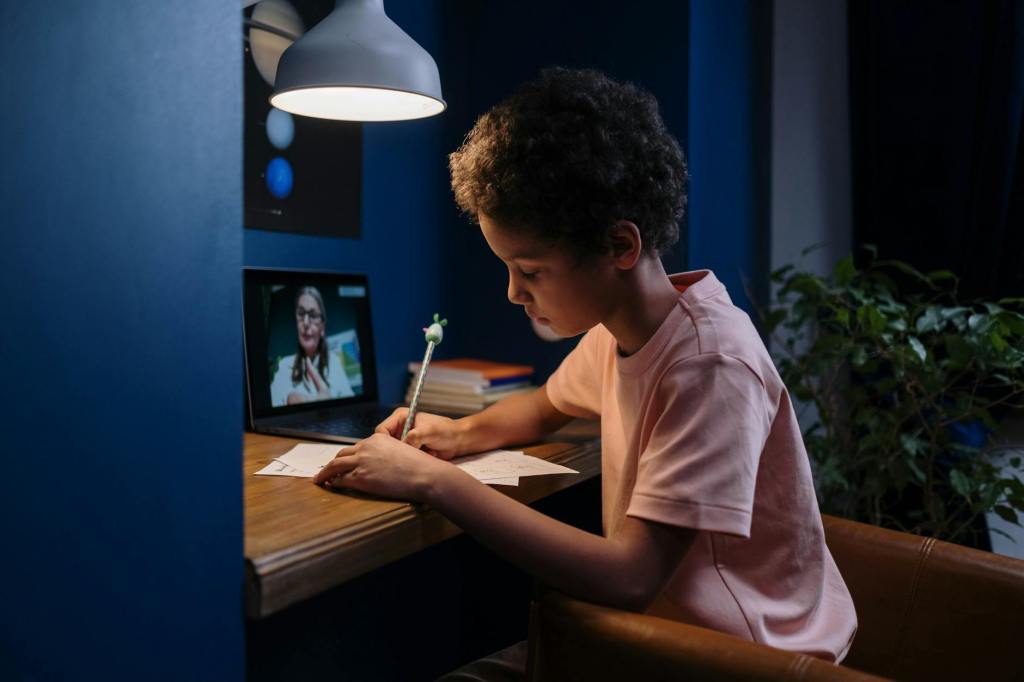
As parents, we all want our little ones to thrive—not just at school, but in life. But for many kids, the challenge is: how can we encourage them to learn on their own without hovering over every task?
At around 5-7 years of age, children are naturally curious, yet they still need guidance, reassurance, and a clear structure. The goal is to gradually build independence so that learning becomes fun, meaningful, and self-driven.
Why Independence Matters
When children begin to take charge of their own learning, they:
- Develop confidence and self-esteem
- Become better problem-solvers
- See learning as fun, not a chore
- Give parents space to enjoy a more relaxed approach
Encouraging independence now sets the stage for a lifetime love of learning.
Practical Tips to Foster Independent Learning
1. Make Learning Fun and Hands-On
Turn lessons into play:
- Count toy cars while tidying up
- Play “word detective” with storybooks
- Do short math challenges using stickers or blocks
Hands-on activities make learning memorable and enjoyable.
2. Create a Learning Space
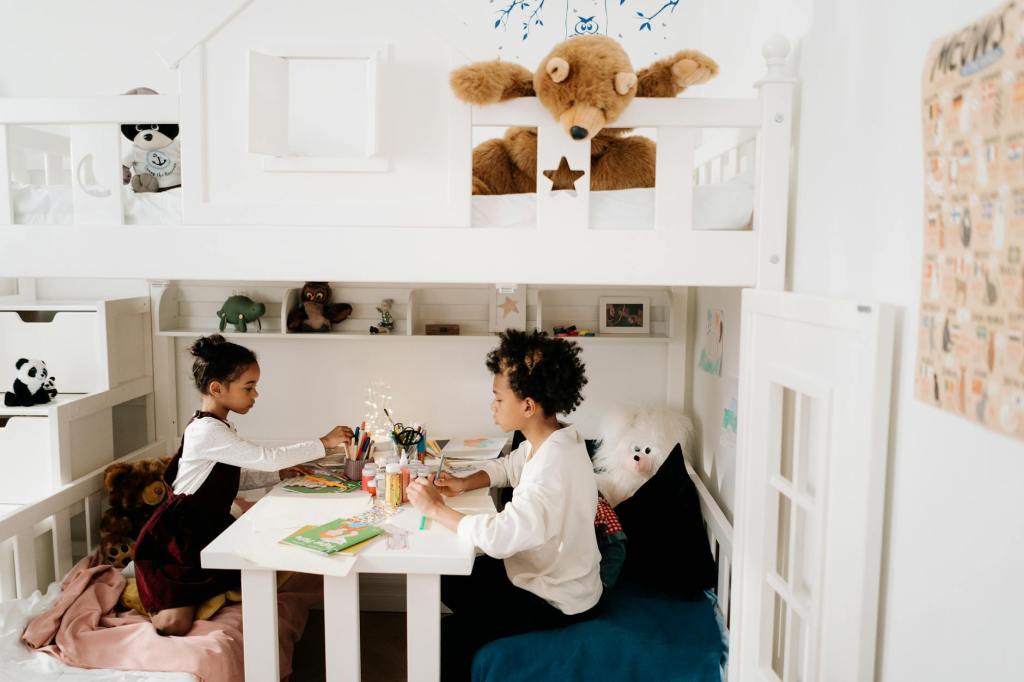
Set up a small area with books, crayons, and educational toys. When materials are easily accessible, kids are more likely to explore and learn independently.
3. Offer Choices
Instead of saying, “Do your reading,” try:
- “Do you want to read a story or practice your letters first?”
- Giving choices encourages self-initiative and ownership.
4. Break Tasks Into Small Steps
Big tasks can feel overwhelming. Break them down:
“Read two pages → Draw a picture → Write one sentence”
Completing small steps builds confidence and reduces reliance on you.
5. Use Timers
Short 10–15 minute “learning sprints” can boost focus. Gradually increase time as your child becomes more confident.
6. Integrate Learning Into Daily Life
Turn everyday activities into opportunities:
- Count fruit at snack time
- Measure ingredients for a recipe
- Read street signs on a walk
This reinforces the idea that learning happens everywhere.
7. Encourage Curiosity
Instead of giving answers immediately, ask:
“How do you think we can find out?”
This nurtures problem-solving and independent thinking.
8. Offer Challenge Choices
Present 2–3 activities with different difficulty levels and let your child choose. This helps them assess challenges and feel proud of their decisions.
9. Make Mistakes Safe
Celebrate mistakes as learning moments:
“Oops! That’s okay. What can we try differently?”
A safe space encourages risk-taking and exploration.
10. Use Visual Schedules or Checklists
Charts like: School assignment trackers
Read 10 pages → Draw a picture → Math game
Give structure while letting children know what’s expected without constant reminders.
11. Encourage Peer Learning
Siblings or friends can make learning more fun. Kids often enjoy learning from peers, which boosts independence.
12. Reward Curiosity, Not Just Compliance
Praise effort and problem-solving rather than just finishing tasks:
- “I love how you figured that out yourself!”
- “You kept trying even when it was tricky!”
A Typical Daily Routine for Independent Learning (5–7 Years Old)
| Time | Activity |
|---|---|
| Morning | 10 min reading practice independently or with a parent nearby |
| Mid-morning | Short math or counting activity (game or workbook) |
| Afternoon | Creative play/project (drawing, craft, building) |
| Evening | Reflection chat: What did you enjoy today? What was tricky? |
Even 10–15 minutes per activity can build consistency and lifelong habits.
Final Thoughts
Supporting independence isn’t about leaving children alone—it’s about scaffolding learning, offering choices, and creating safe, engaging opportunities. Over time, your child will gain confidence, curiosity, and a love for learning that lasts a lifetime.
Parents, your role is to guide, cheer, and step back when needed. With patience and the right strategies, your little learners will thrive—on their own!
For more insights on fostering responsibility and building good habits in children, check out this article: How Simple Daily Routines and Rewards Can Help Your Child Thrive.
Encouraging your child to learn independently often starts long before formal schooling — in the early years when curiosity, routines, and confidence first take shape. For a broader look at these formative stages and how they influence independence, explore our Preschool & Early Childhood guide.




Leave a reply to When Young Children are Angry (and Driving You Nuts): How to Keep Your Cool and Theirs – Lukewarm Mom Cancel reply