

10 Practical Tips to Wean Kids Off Screens (and When to Go Cold Turkey)
Screens are everywhere, and many parents struggle with reducing their child’s screen time. From toddlers to 10-year-olds, meltdowns, whining, and negotiations are common when devices come off limits. A friend of mine shared a clever trick that worked with their toddler: covering the TV with a blanket or hiding the remote to make the screen temporarily “unavailable.” Simple hacks like this, combined with fun screen-free activities, can make weaning kids off screens much smoother.
This guide is tailored for toddlers, preschoolers, and children up to 10 years old, with actionable tips to make screen-free time fun and engaging.
1. Understanding Your Child’s Screen Habits
Before setting limits, understand how your child uses screens:
- How much time do they spend daily?
- What type of content are they watching or playing?
- Are screens used for learning, entertainment, or just habitually when bored?
Tracking these patterns helps set realistic goals and prevents conflicts.
2. Setting Clear and Consistent Screen Time Limits for Children
Children thrive on structure. Consider:
- Daily limits: 30–60 minutes for toddlers, 1–2 hours for older kids.
- Screen-free zones: Bedrooms, dining areas, or during homework.
- Scheduled times: After chores, homework, or outdoor play.
- Timers: Use visual timers or alarms so kids know when screen time ends.
Consistency is key—gentle enforcement prevents constant arguments.
3. Preparing for Screen Time Transitions: Tips for Parents
Reducing screen time often leads to frustration, especially in younger children. Be prepared:
- Stay calm: Your reaction sets the tone.
- Acknowledge feelings: “I know you’re upset, but screens are off now.”
- Offer immediate alternatives: Coloring, puzzles, LEGO, outdoor play, or storytime.
- Give choice: Let them pick between two screen-free activities to reduce resistance.
- Keep it predictable: A consistent routine lowers frustration over time.
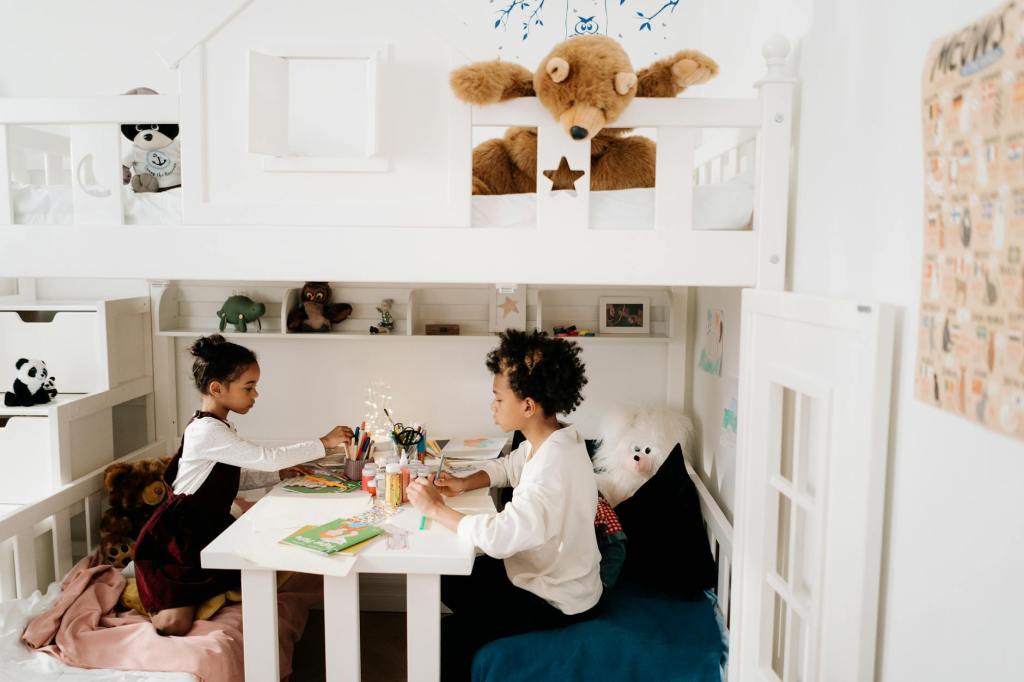
4. Creating a Dedicated Play Area to Encourage Screen-Free Activities
A special, inviting space encourages screen-free fun:
- Location: A corner of a room, a small table, or a cozy nook.
- Stocked with materials: Art supplies, blocks, puzzles, books, or craft kits.
- Visually appealing: Bright colors, organized bins, and fun displays make it exciting.
- Rotate toys: Swapping items keeps the space fresh and interesting.
5. Offering Engaging Screen-Free Alternatives for Different Age Groups
Here’s a practical list by age group:
Toddlers (1–3 years)
- Stackable blocks, shape sorters, and simple puzzles
- Board books and interactive storytime
- Outdoor play: sandbox, swings, or ball games
- Simple musical instruments or singing
Preschoolers (3–5 years)
- Drawing, coloring, and crafts
- Role play: pretend shops, kitchen, or adventure games
- Obstacle courses or backyard games
- Audiobooks or story podcasts
Kids 6–10 years
- LEGO, puzzles, or science experiments
- Board games or card games with family
- Cooking, baking, or gardening projects
- Creative writing, journaling, or DIY crafts
- Nature walks, scavenger hunts, or team outdoor games

6. Making Screen Time a Privilege: Reward-Based Strategies
- Earn-it approach: Screens come after chores, homework, or physical activity.
- Point or sticker system: Kids “spend” points for screen time.
- Family challenges: Reduce screens together—kids often enjoy competing with parents.
7. Modeling Healthy Screen Habits: Leading by Example
Children imitate adults:
- Limit your own device use.
- Share hobbies that don’t involve screens.
- Make family meals and outings device-free.
8. Implementing Gradual Screen Time Reduction Techniques
- Reduce daily screen time by 10–15 minutes weekly.
- Introduce screen-free mornings or evenings.
- Celebrate small wins, like finishing homework or chores without devices.
9. Incorporating Humor and Creativity to Ease Screen Time Restrictions
- Pretend the TV or tablet is “sick” or “needs a nap.”
- Give devices “screen-free days” framed as fun experiments.
- Turn it into a game: “Who can play the longest without a tablet?”
10. Quick Extra Tips
- Keep devices in a screen basket when not in use.
- Give countdown warnings before screens turn off.
- Pair screens with tasks: “After tidying your toys, you can play your game.”
- Use music or audiobooks instead of visual screens during travel or downtime.
- Keep snacks separate from screen time—meals are a great screen-free routine.
11. Knowing When to Go Cold Turkey: A Balanced Approach to Screen Time
Going cold turkey means stopping screens abruptly. It can work in some situations but isn’t always ideal:
When it might work:
- Older kids (8–10 years) who understand reasoning
- Overuse or screen “addiction”
- Special events or screen-free weekends
When to avoid:
- Toddlers and preschoolers (may trigger severe tantrums)
- If screens are tied to routines like sleep or meals
- Without engaging alternatives ready
How to implement safely:
- Explain why screens will be limited and how long.
- Provide engaging screen-free options.
- Stay calm during pushback.
- Allow brief windows for educational or shared screen time if needed.
Tip: For most children, gradual reduction combined with occasional resets works better than a full cold turkey.
Final Thoughts
Weaning kids off screens isn’t about total elimination—it’s about balance, creativity, and consistency. With structured routines, screen-free alternatives, a dedicated play area, meltdown prep, and flexible strategies like occasional cold turkey resets, children from toddlers to 10-year-olds can gradually enjoy less screen time.
The goal is to help your child develop healthy habits, discover fun outside of screens, and enjoy creative, active, and social play.
Reducing screen time for kids is easier when you understand how early habits and routines develop. For insights and tips on guiding children from the very beginning, check out our Preschool & Early Childhood guide.
Looking for more guidance on nurturing your child’s emotional development and behavior — including strategies for everyday parenting and big feelings — visit our Emotional Growth & Behavior pillar for tips, reflections, and support for parents.





Leave a reply to How Much Screen Time Is Healthy for Kids? – Lukewarm Mom Cancel reply