
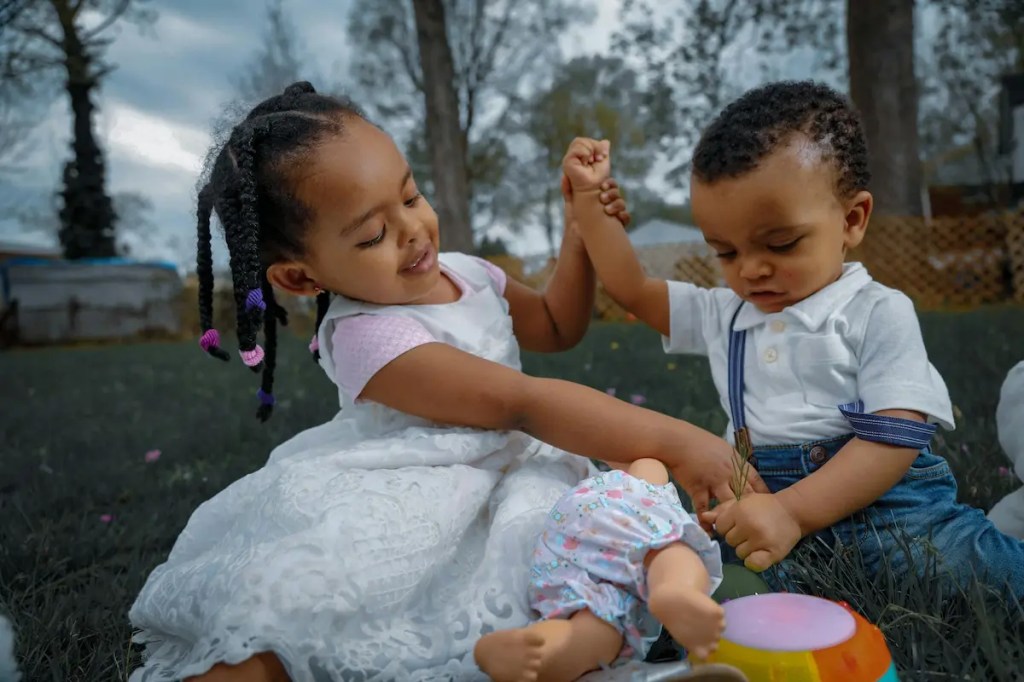
Sibling jealousy doesn’t always come from big fights. Many times, it starts with small moments of unfairness that children notice instantly. If you’ve ever wondered why kids suddenly fight or why an older child begins acting out, you’re not alone. It happened in our home this week, and it taught me how tiny triggers can create big emotions between siblings.
My daughter usually adores her little brother. She’s gentle, affectionate, and rarely gets into unnecessary fights with him. But for two full days, something was off. She was teasing him, sticking out her tongue, annoying him for no reason, and picking up little battles she normally never would.
And of course, he responded exactly the way younger siblings do — by shouting, hitting, crying, or pushing back.
By the end of the second day, I felt like I was breaking up a hundred small fights and wondering, “Where did this even come from?”
Then I noticed a detail I had ignored.
When she comes back from school, she sometimes sees a few Kinder Joy toys lying around. My younger son had gotten one or two recently on his way back from kindergarten — mostly because he’s a bit picky with food, and we gave in those couple of times. We honestly didn’t think much of it.
She gets treats once in a while, and she’s not the kind of kid who keeps asking for sweets. But this time, she noticed the Kinder Joy toys and asked for one too. She didn’t get it that day, and she brought it up a couple of times afterward. The more I thought about it, the more obvious it became that this tiny moment had bothered her more than I realized.
This wasn’t rage.
This wasn’t misbehaviour.
This wasn’t even a real sibling fight.
It was simply a moment of feeling “life is unfair” — and she didn’t have the language to express it.
The Psychology Behind Sudden Misbehaviour
Understanding this part changed everything for us.
1. Kids have an intense fairness radar
Even tiny differences feel huge to them.
Children don’t measure “once in a while.”
They measure right now.
So one child getting a tiny privilege becomes a big emotional event.
2. Siblings are their biggest comparison point
Not classmates.
Not cousins.
Not friends.
Siblings.
They constantly compare:
- Who gets more attention
- Who gets more cuddles
- Who gets more treats
- Who gets more screen time
- Who gets scolded more
To adults, a Kinder Joy is nothing.
To kids, it symbolizes fairness.
3. They can’t express complex emotions
Children don’t say:
“Mom, I am feeling slightly left out because he got something I didn’t.”
Instead they express it through:
- Teasing
- Irritating
- Mimicking
- Snatching
- Pushing
- Whining
- Suddenly becoming “difficult”
It’s not malice — it’s communication.
4. Acting out becomes their way to restore balance
Kids subconsciously think:
“If he gets something, then I will get attention — even if it’s through my behaviour.”
Sometimes they don’t want the candy.
They want the feeling of being seen.
5. Kids test boundaries more when they’re emotionally full
If school was tiring, or they missed you, or they had a rough day, even a tiny trigger feels bigger.
6. Sudden misbehaviour is often a sign of emotional overflow, not bad behaviour
Kids act “worse” when they:
- Are overstimulated
- Are tired
- Had an emotionally intense day
- Saw something unfair
- Need connection
- Feel replaced, ignored, or overlooked
Sometimes, one tiny object lying around can create a whole story in their mind.
What Parents Can Do (That Actually Helps)
Here are a few strategies that help calm small sibling jealousy before it turns into chaos.
1. Acknowledge the feelings immediately
A simple sentence like:
“I understand why that felt unfair.”
This alone diffuses half the tension.
Kids don’t necessarily need the thing — they need the validation.
2. Give them connection, not compensation
Instead of giving the same treat, give:
- 10 minutes of undivided attention
- A cuddle
- Let them pick the bedtime story
- A quiet conversation
Connection fills the emotional tank better than sugar.
3. Avoid unintentional “privileges” for one child
Common small triggers:
- One child always gets the parent who picks them up
- One gets more playtime with grandparents
- One gets the tablet first
- One gets praised publicly while the other is ignored
- One gets snacks the other doesn’t see
Tiny, but powerful.
4. Create predictable family rules
Like:
- No daily treats
- Screen time only after homework
- Both kids get the same privilege on weekends
- You get what you ask for, not what your sibling gets
Predictability reduces comparison.
5. Don’t label children (“the calm one”, “the naughty one”)
Labels create silent pressure and silent resentment.
6. Help kids use words, not actions
Teach scripts like:
- “I felt left out.”
- “I wanted that too.”
- “Can you give me a turn?”
You’ll be shocked how quickly older kids start using these when taught.
7. Notice small warning signs
If you see:
- Sudden teasing
- Excessive silliness
- Imitation
- Loud behaviour
- Complaints
- “He always gets more!”
…it may be jealousy disguised as fun or mischief.
8. Don’t overreact — stay calm
Children mirror our energy.
You calm = them calm (eventually).
9. Give each child a “special time” slot
Even 10 minutes per child per day reduces jealousy by half.
It’s proven in child psychology programs worldwide.
10. Normalize the feeling
Tell them:
“It’s okay to feel jealous sometimes. Everyone feels that.”
When jealousy becomes normal, it becomes less scary and less explosive.
When One Child Needs More Attention (Baby or Medical Needs)
Sometimes sibling jealousy increases naturally when:
- a new baby arrives
- one child has a medical condition
- one needs extra help
- one has therapy or special routines
Kids don’t understand the difference between need and favouritism.
Small ways to handle this:
- Explain “fair vs equal”: Everyone gets what they need.
- Give the sibling special roles (“Can you help me choose a story for the baby?”).
- Create micro-connections with the older child.
- Praise their patience often and loudly.
- Give them a routine that’s just for them.
These tiny efforts prevent long-term resentment.
What I Learned From This Evening Mess
My daughter wasn’t misbehaving.
She wasn’t turning “naughty.”
She wasn’t starting sibling rivalry.
She was simply feeling a tiny bit left out — and showing it in the only way she knew.
Once we saw the real reason, everything softened:
- The teasing reduced
- The fights calmed
- She opened up
- We adjusted a tiny habit
- Peace returned
Sometimes as parents, we are solving the wrong problem.
The issue isn’t the behaviour.
The issue is the feeling underneath it.
And often, all it takes is a small moment of understanding to reset the whole day.
Want more strategies and insights on supporting your child’s emotional growth and behavior? Visit our Emotional Growth & Behavior pillar for tips, reflections, and resources to help you through the emotional ups and downs of parenting.



Leave a comment