
Back-to-School Essentials for Kids (2026 Checklist for Parents)
Getting ready for a new school year can feel overwhelming—but having a clear back-to-school checklist for kids makes everything easier. From essential school supplies to outfit planning, lunch ideas, and daily routines, this guide covers everything parents need to prepare for a smooth and stress-free start.
Being a mom to two busy little humans, I know how chaotic back-to-school mornings can be — the last-minute scramble for notebooks, pencils, and the ever-elusive matching socks! Over the years, I’ve learned that having a complete school supplies checklist can save so much stress and help kids feel ready and confident for their first day. That’s why I put together this ultimate checklist for elementary kids — everything you need, from essentials to little extras, so mornings are a little calmer and the school year starts off on the right foot.
This post contains affiliate links. As an Amazon Associate, I earn from qualifying purchases at no additional cost to you.
School Supplies Checklist
The obvious essentials, plus a few helpful extras for smaller kids to make their school year easier and more fun!
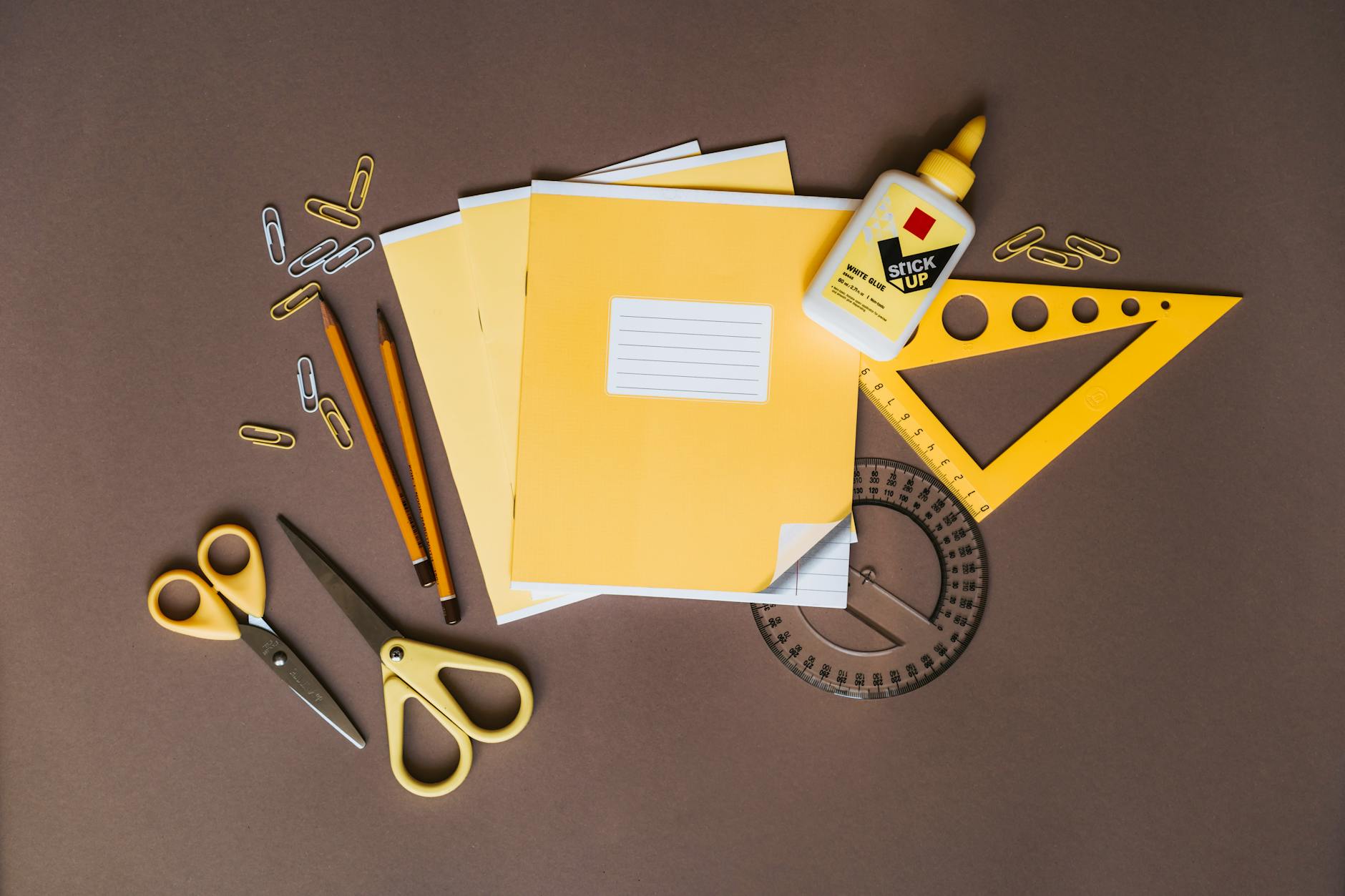
1. Writing & Drawing Supplies
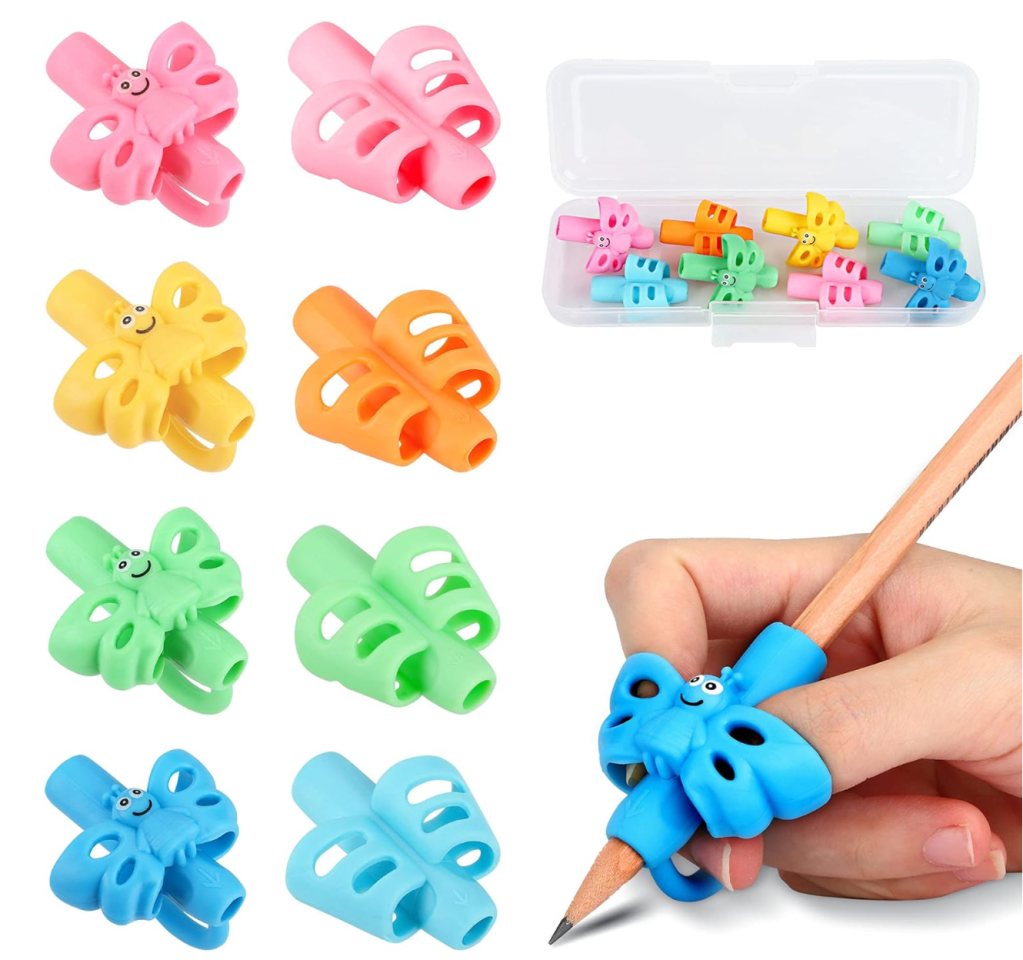
- Pencils (HB or #2)
- Colored pencils & crayons
- Erasers & pencil sharpeners
- Markers & highlighters
- Ruler & geometry set


2. Paper & Notebooks
- Notebooks (lined, dotted, or grid)
- Loose-leaf paper & binder
- Sketchbook or drawing pad


3. Organization & Storage
- Backpack
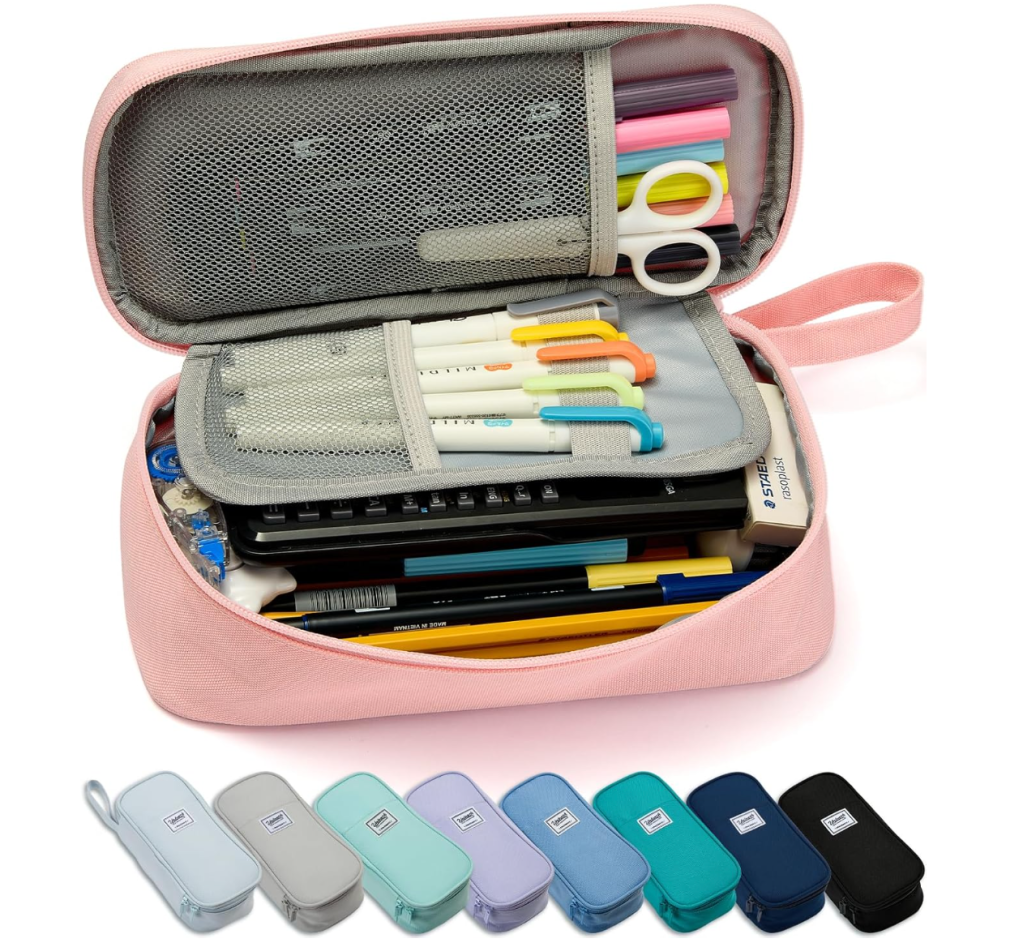
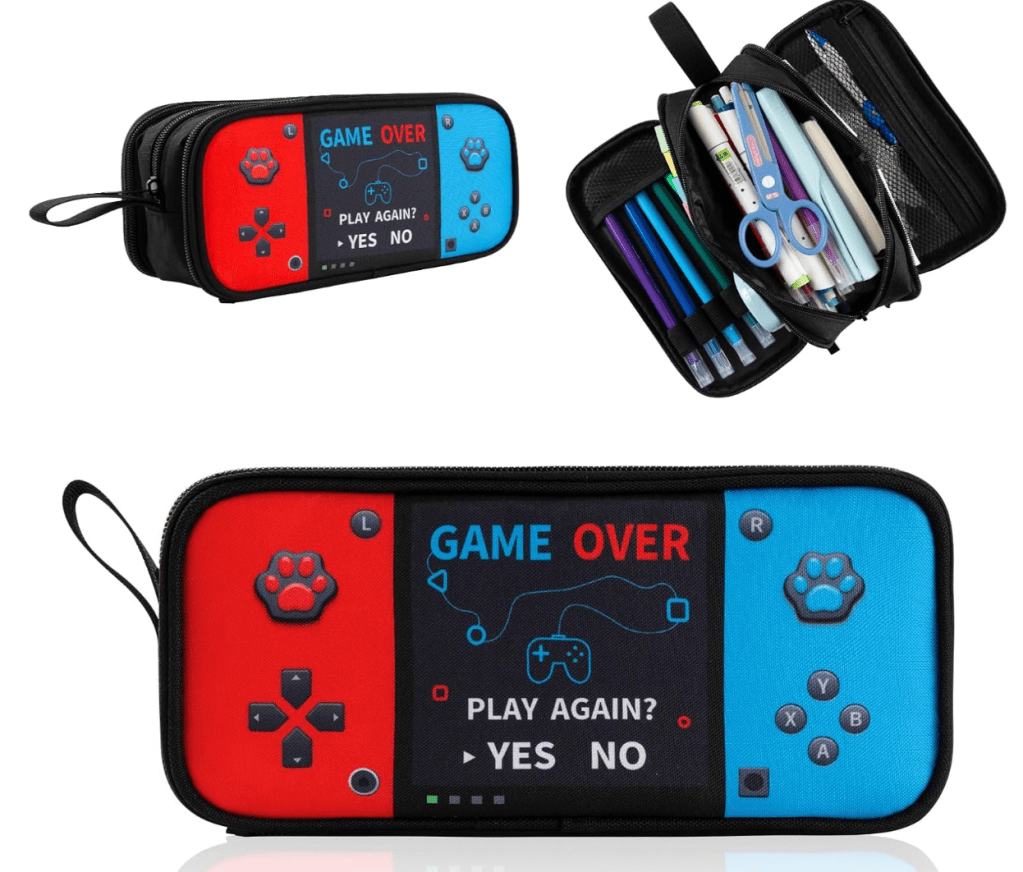
- Pencil case / pouch
- Folders & binders
- Desk organizer for home use

4. Arts & Crafts
- Glue sticks / liquid glue
- Scissors (child-safe)
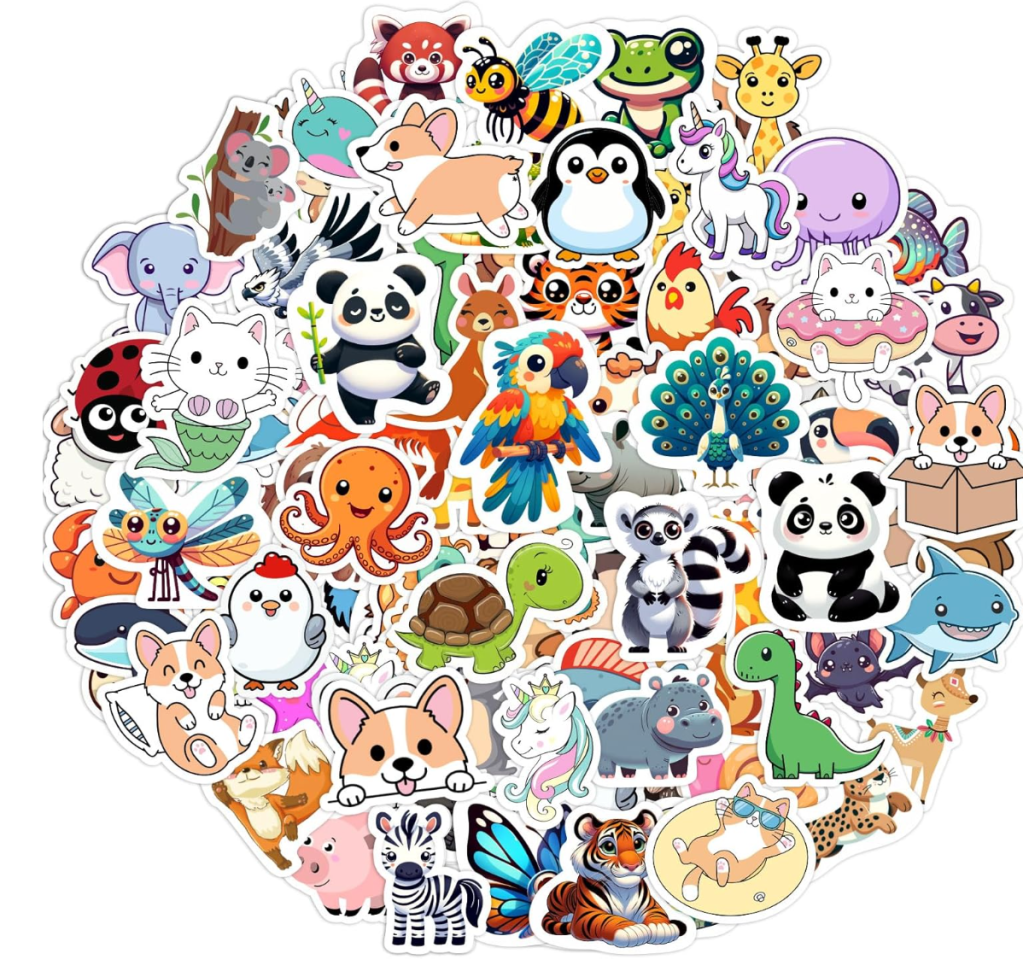
- Stickers & decorative tape
- Watercolors & paintbrushes


5. Classroom Essentials
- Lunchbox & water bottle
- Tissues & hand sanitizer
- Mask (if required)
- Planner or homework notebook


6. Optional / Extras
- Permanent markers and Labels
- Calculator
- Flashcards
- Sticky Notes
- Headphones for online learning
- Book bag charms or fun accessories


Outfit Planning Tips
Getting dressed for school every day can feel like a small struggle—especially for younger kids who want comfort and independence, and for middle schoolers balancing style and dress codes. Here are some practical tips to make mornings easier:
1. Plan Ahead
- Lay out outfits the night before to avoid morning stress.
- Check the weather forecast and adjust layers accordingly.
- Keep a few “ready-to-go” outfits for rushed mornings.
2. Mix & Match Basics
- Invest in versatile pieces like jeans, leggings, t-shirts, and cardigans.
- Neutral colors make it easy to pair items together.
- Rotate a few statement pieces (fun tops, bright jackets) to keep things exciting.
Pro Tip: For more specific back-to-school outfit ideas, check out my Back-to-School Outfit Guide for Girls, full of easy, kid-approved styles for school girls. You can also explore Back-to-School Outfits for Boys for simple, comfortable options that work for everyday school wear. If you’re looking for older students, don’t miss Back-to-School Outfits for College Girls, featuring relaxed, practical styles for busy campus days.
3. Comfort is Key
- Choose shoes that are both comfortable and school-appropriate.
- Avoid clothing with itchy tags or stiff fabrics for younger kids.
4. Encourage Personal Style
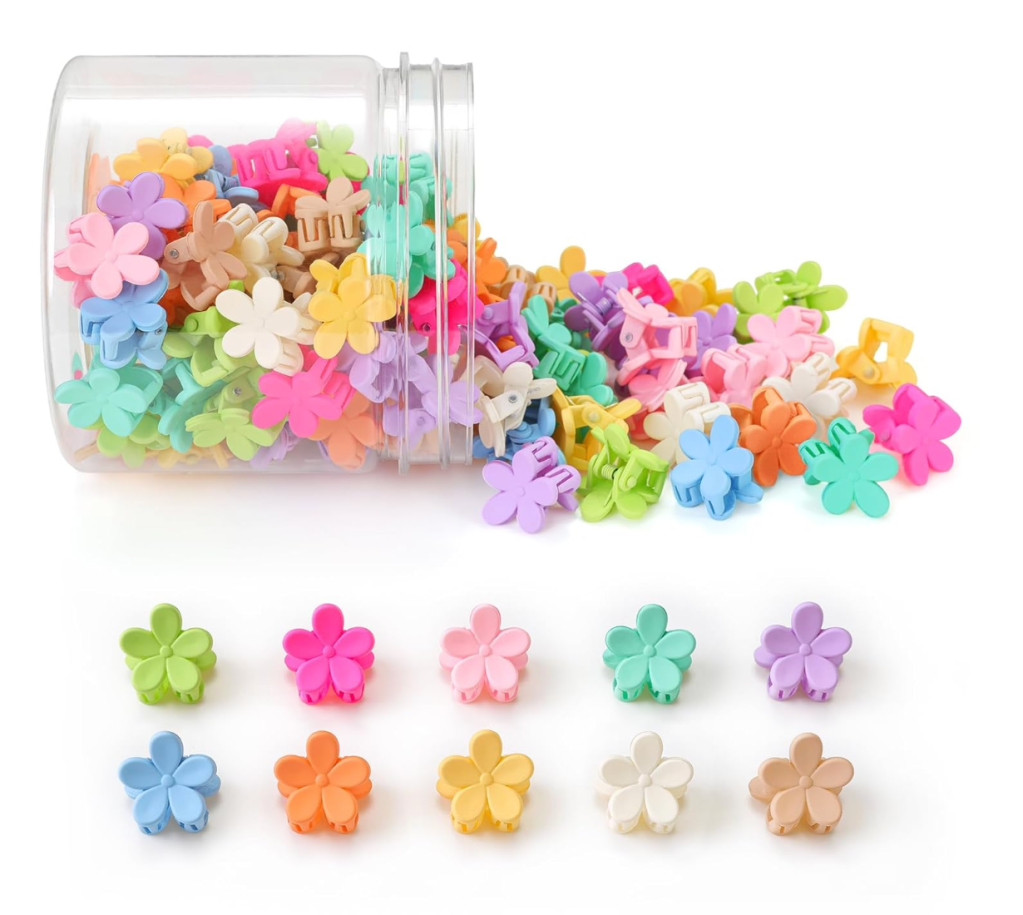
- Let kids pick a favorite accessory (hats, scarves, or jewelry) to express themselves.
- Stickers or patches on backpacks can also add a personal touch.
5. Organize the Closet
- Use labeled bins or shelves for tops, bottoms, and shoes.
- Group outfits by day of the week for younger kids or for hectic mornings.
6. Layer Smartly
- Include jackets, hoodies, or cardigans for varying temperatures.
- Lightweight layers make it easy to adjust as the day warms up or cools down.

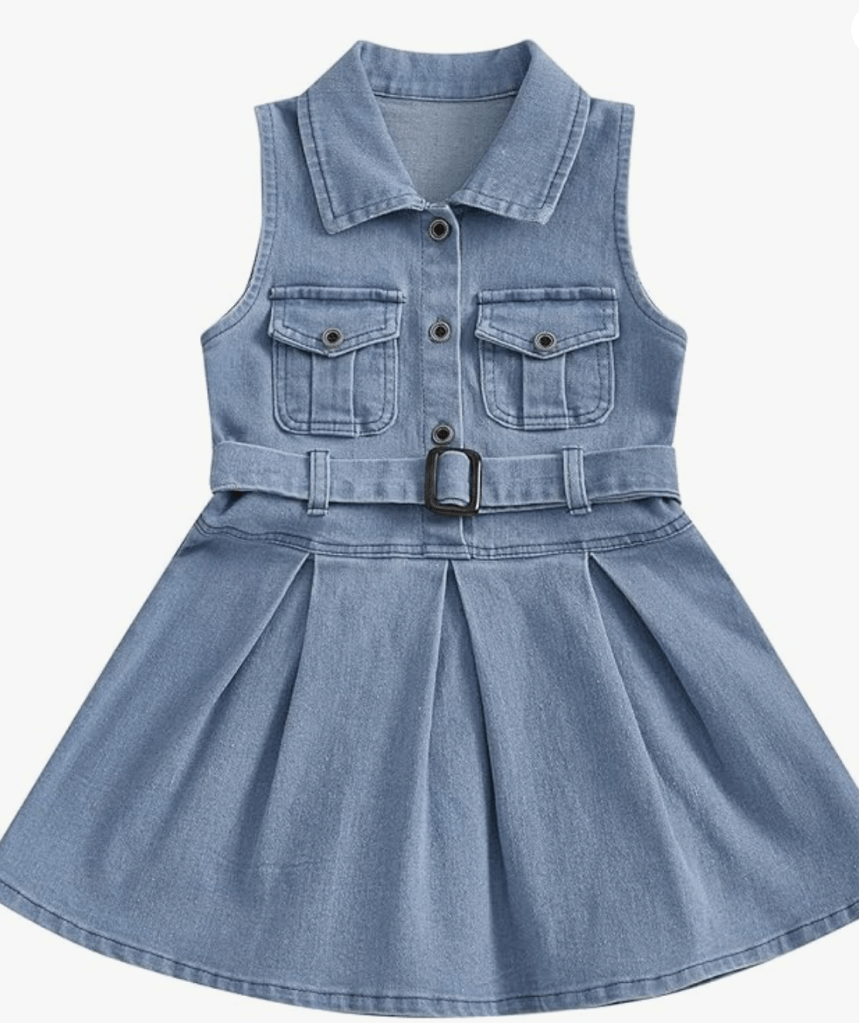
By planning outfits ahead, you save time, reduce morning stress, and help kids feel confident and ready for school every day.
Lunchbox & Snack Ideas
Packing school lunches and snacks can be fun—and nutritious—without being stressful. Here are some practical ideas to keep kids energized and happy throughout the school day:
1. Balanced Lunch Essentials
- Protein: Eggs, grilled chicken, turkey slices, cheese sticks, hummus.
- Carbs: Whole-grain sandwiches, wraps, pasta, or brown rice.
- Fruits & Veggies: Apple slices, carrot sticks, cucumber rounds, berries, or grapes.
- Dairy or Alternatives: Yogurt cups, milk, or plant-based options.
2. Quick & Easy Snack Ideas
- Trail mix or nut-free granola mix
- Fruit slices with peanut or almond butter
- Veggie sticks with hummus
- Whole-grain crackers or rice cakes
- Mini muffins or healthy energy bites
If you’re looking for simple, no-cook snack ideas, I’ve shared some of our favorites here.
3. Fun & Creative Additions
- Use cookie cutters to make sandwiches or fruits into fun shapes
- Include a small note or sticker for a cheerful surprise
- Colorful bento boxes can make food visually appealing
4. Practical Tips for Parents
- Prep in Advance: Wash and cut fruits and veggies over the weekend.
- Mix & Match: Rotate snacks to avoid monotony.
- Reusable Containers: Eco-friendly, spill-proof containers reduce waste.
- Label Everything: Helps prevent mix-ups, especially in shared spaces.


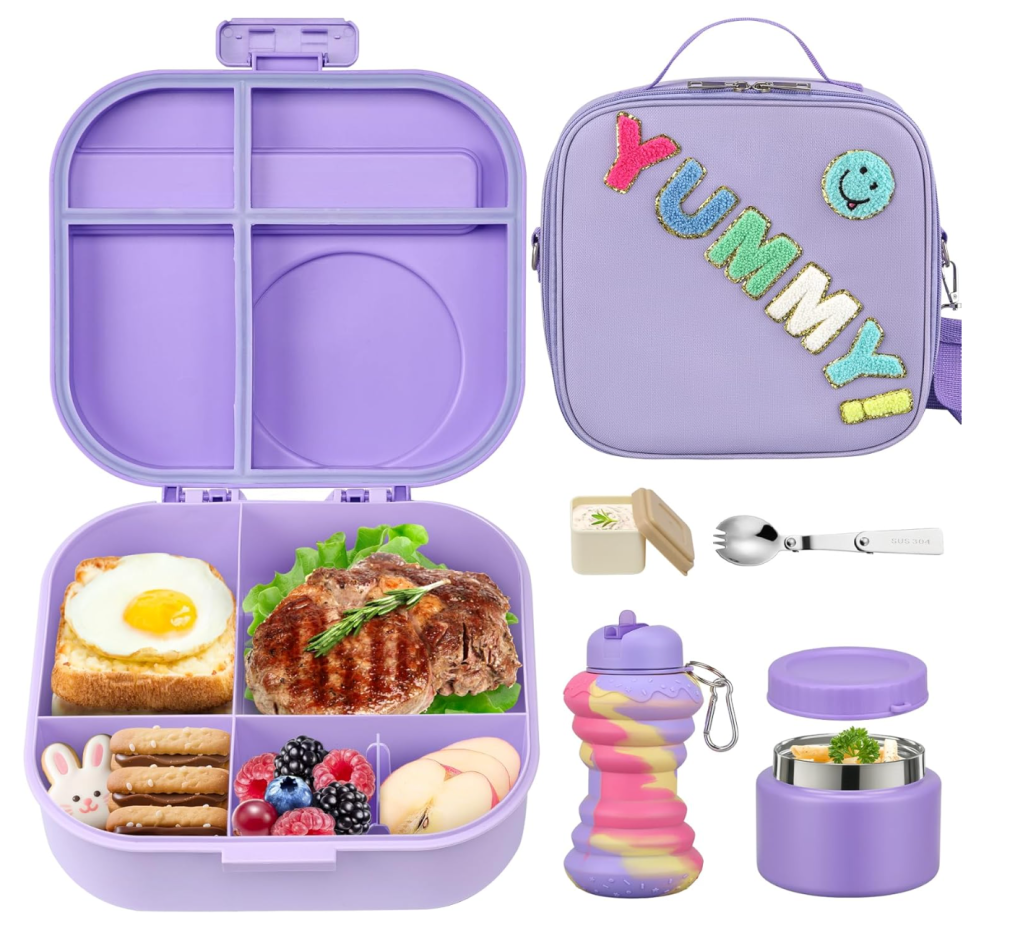
With these ideas, lunchboxes can be both nutritious and fun, making mealtime something kids look forward to instead of rushing through.
Organizational Tips
Keeping schoolwork, supplies, and daily routines organized can save time and reduce stress for both kids and parents. Here’s how to help your child stay on top of things:
1. Create a Dedicated Homework Station
- Set up a quiet, well-lit space with all necessary supplies.
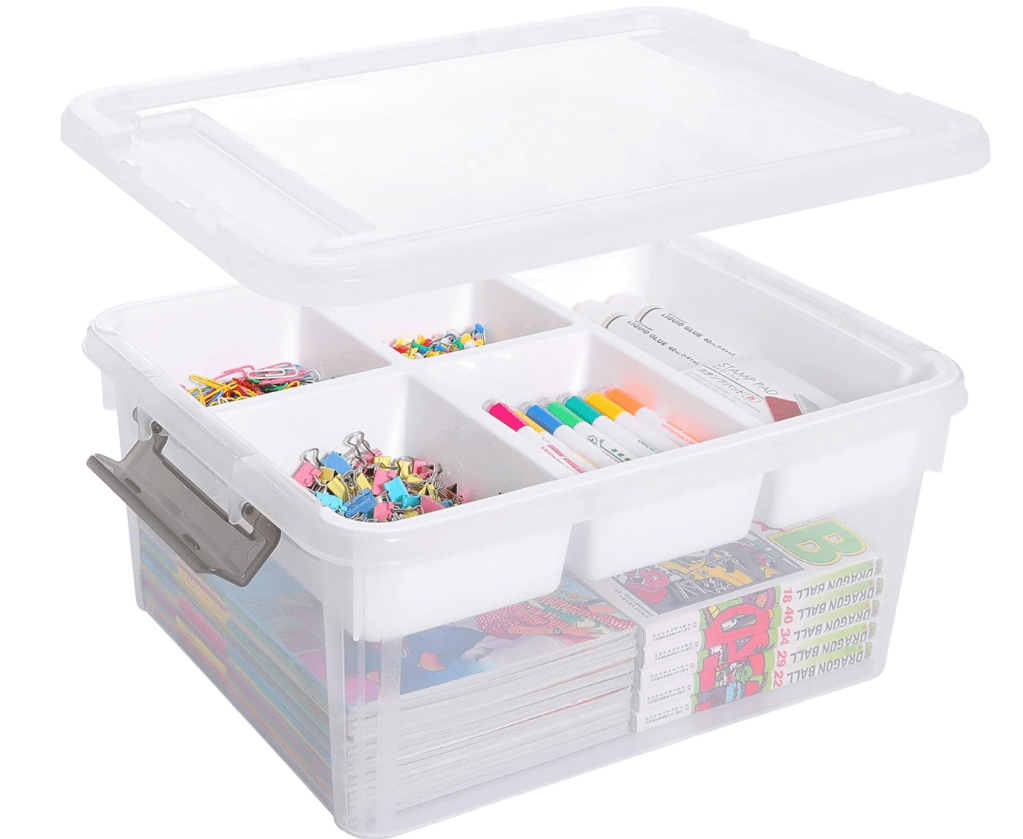
- Keep a small caddy for pencils, markers, scissors, and glue.
- Make it cozy but distraction-free to encourage focus.
If you’re working with limited space, you can even transform a play area into a functional study zone with a few simple changes.
2. Use Planners & Calendars
- Encourage kids to write down homework, projects, and deadlines in assignment trackers.
- Color-code subjects or activities for easy reference.
- Digital calendars work well for older kids who use tablets or phones.
3. Organize Backpacks & Supplies
- Check backpacks weekly and remove unnecessary items.
- Use labeled folders or binders for each subject.
- Keep a small pouch for pens, pencils, and erasers to prevent loose items.
4. Establish a Routine
- Set a consistent time for homework, meals, and bedtime.
- Use checklists to guide morning and evening routines.
- Encourage kids to pack their backpack the night before.
5. Storage & Decluttering
- Use bins, shelves, or cubbies to store supplies and school materials.
- Rotate art supplies and craft materials to keep the workspace manageable.
- Teach kids to regularly declutter their desk and study area.
Good storage and decluttering habits can make a big difference in how smoothly school days run. Even small changes can create a more organized and stress-free space.
6. Reward & Motivate
- Praise your child for keeping things organized.
- Use small rewards or stickers for consistent effort.
They also play an important role in helping children gradually develop independent learning habits.


With these strategies, kids learn time management, responsibility, and independence while keeping their school life organized and stress-free.
Budget-Friendly Shopping Tips
Back-to-school shopping doesn’t have to break the bank. With a few smart strategies, you can get everything your child needs while staying on budget:
1. Make a List & Stick to It
- Check the school’s supply list and your child’s existing supplies.
- Avoid impulse buys—stick to what’s necessary.
- Categorize items by priority: “must-have” vs. “nice-to-have.”
2. Shop Sales & Discounts
- Take advantage of back-to-school sales, coupons, and store loyalty programs.
- Compare prices online before heading to stores.
- Consider bulk purchases for items like pencils, notebooks, and glue sticks.
3. Reuse & Repurpose
- Check last year’s supplies for usable items like folders, binders, or rulers.
- Repair or refresh old backpacks or lunchboxes instead of buying new ones.
4. Buy Generic or Store Brands
- Many generic supplies are just as good as branded ones at a lower cost.
- Focus on quality essentials, but don’t overpay for trendy designs.
5. Consider Secondhand or Swap Options
- Thrift stores or online marketplaces often have gently used backpacks, uniforms, and school gear.
- Swap supplies with friends or neighbors—especially for books and art materials.
6. Plan for the Whole Year
- Buy extra basic supplies during sales to avoid mid-year emergencies.
- Organize a small “supply station” at home to track what you have left for the next term.
Free Printable Back-to-School Checklist
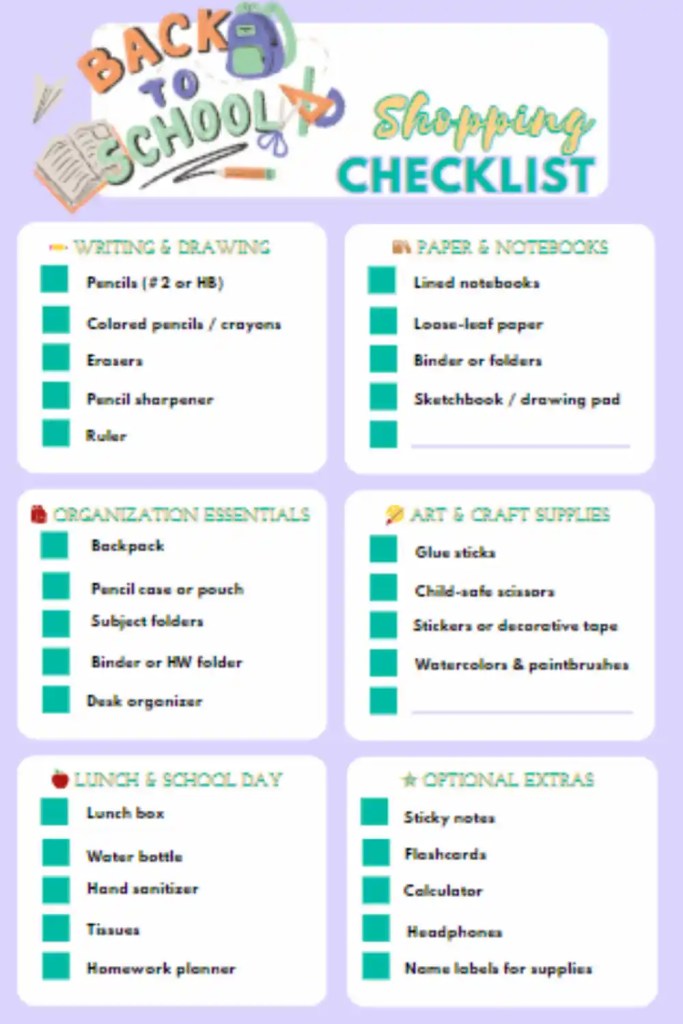
Shopping for school supplies can feel overwhelming. To make things easier, I created a simple printable back-to-school checklist you can use while shopping.
You can print the checklist and tick items off as you shop.
Download the Printable Checklist

With these tips, you can save money without compromising on quality and ensure your child starts the school year prepared and stress-free.
With the right preparation, organization, and a little creativity, you can make the transition smooth, fun, and exciting for your kids. From stocking up on essential supplies and planning nutritious lunches to creating organized study spaces, stylish outfits, and keeping your budget in check, every small step makes a big difference.
By following these tips and using this ultimate guide, you’ll help your child start the school year confident, prepared, and ready to thrive—and enjoy a calmer, more organized routine at home.
This shopping guide is just one part of a great school year—be sure to explore our Back to School Guides for routines, prepping tips, lunch ideas, and more to make mornings easier for your family.


Leave a Reply