

Practical Tips for Letting Your Little Ones Explore, Make Choices, Express Themselves, and Stay Safe at Home and Outdoors
Toddlers are hilarious little rebels. One minute they’re giggling in your arms, the next they’re declaring, “No!” to that perfectly good snack you offered. It can feel chaotic, messy, and sometimes downright exhausting—but it’s also beautiful. That “no” is their first taste of freedom, their tiny way of saying, “Hey, I’m my own person!”
My little one refuses to wear pajamas, shirts, or even socks, and it can feel like a battle every morning and bedtime. While it’s frustrating, this phase is actually a sign of growing independence—and a bit of personality shining through.
Why Freedom Matters for Toddlers
Giving toddlers freedom isn’t about letting them run wild—it’s about letting them explore, experiment, and discover. When they get to make choices, even small ones, they:
- Build confidence (“I did it myself!”)
- Learn decision-making (yes, even picking between blue and red socks counts)
- Develop creativity and curiosity
Everyday Acts of Freedom
Freedom shows up in funny little ways:
- Refusing clothes? A toddler way of saying, “I pick my outfit today!”
- Insisting on pouring their own drink? That’s independence in action.
- Wanting to carry that huge toy everywhere? That’s them testing limits, and ours too.
Common Mistakes Parents Make
Parenting mistakes often come from a place of love, not control. We rush to help because it’s faster, step in because we’re afraid they’ll fail, or say “let me do it” because the mess feels overwhelming. Sometimes we limit their freedom in public spaces to avoid judgment, or discourage trying by warning them they’ll spill or fall before they even begin. None of this makes us bad parents — it simply means we’re human, tired, and trying to protect our children. Awareness is the first step toward giving them more space to grow.
Why this matters long-term
Encouraging toddler freedom is not just about making toddlerhood easier — it shapes who your child becomes later. When toddlers are trusted with small freedoms, they begin to believe in their own ability to make decisions, solve problems, and handle emotions. This early confidence often shows up in the school years as better self-regulation, fewer power struggles, and a willingness to try new things without fear of failure. Children who are allowed to practice independence early tend to rely less on constant approval and more on inner confidence as they grow.
Balancing Freedom with Safety
You can laugh at their antics while still keeping them safe:
- Childproof zones: Let them roam freely where it’s safe.
- Choices over commands: “Red cup or blue cup?” instead of “Drink this!”
- Gentle supervision: Step in only when it really matters.
Encouraging Independence
Supporting freedom also means teaching responsibility:
- Let toddlers try tasks themselves, like washing hands or putting away toys
- Praise effort, not perfection
- Accept that mistakes are part of learning
Hold On to the Magic
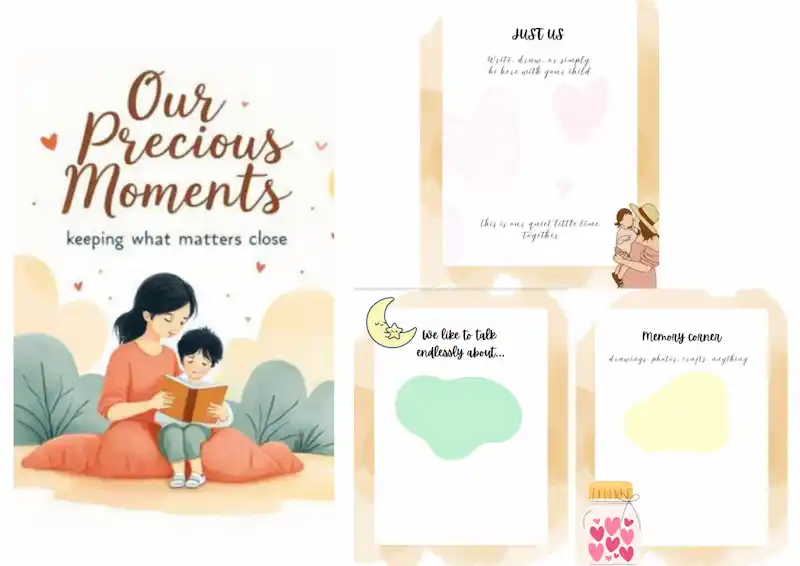
The toddler years move so fast. Before the “mispronounced” words and tiny habits fade into distant memories, give them a permanent home. I’ve created this simple keepsake journal to help you capture the heart of these years—even on your busiest days.

Toddler Independence by Age
- 18–24 months
– choosing clothes
– feeding self (mess allowed) - 2–3 years
– walking short distances
– helping with simple tasks - 3–4 years
– small decisions
– problem-solving before help
When Freedom Meets Fun
Freedom doesn’t have to be stressful—it can be playful:
- Turn routines into games: race to dress, stack blocks creatively, or explore outdoors
- Celebrate exploration: curiosity is a skill worth nurturing
- Learn to laugh at the chaos—like a toddler running around in just socks or a diaper
You don’t have to get this right every day. Some days you’ll have the patience to let them try, spill, and struggle, and other days you’ll step in because you’re tired or short on time. Both are okay. Independence isn’t built in big moments but in small, repeated chances over time.
Toddlers need freedom as much as they need guidance. By creating safe spaces, offering choices, and letting them explore within boundaries, you give them the tools to grow confident, independent, and curious. Sometimes, the best parenting moments come when you step back a little—and watch your tiny adventurer take the lead.
How do you give your toddler freedom while keeping them safe? Share your tips and stories in the comments—every little explorer deserves a cheer!
Supporting your toddler’s growing desire for independence is one of the many pieces of early parenting, and understanding these developmental shifts can help you respond with confidence and calm. For broader guidance on baby and toddler care — including routines, emotional growth, independence, and everyday parenting support — explore our Baby & Toddler Parenting pillar.




Leave a Reply