
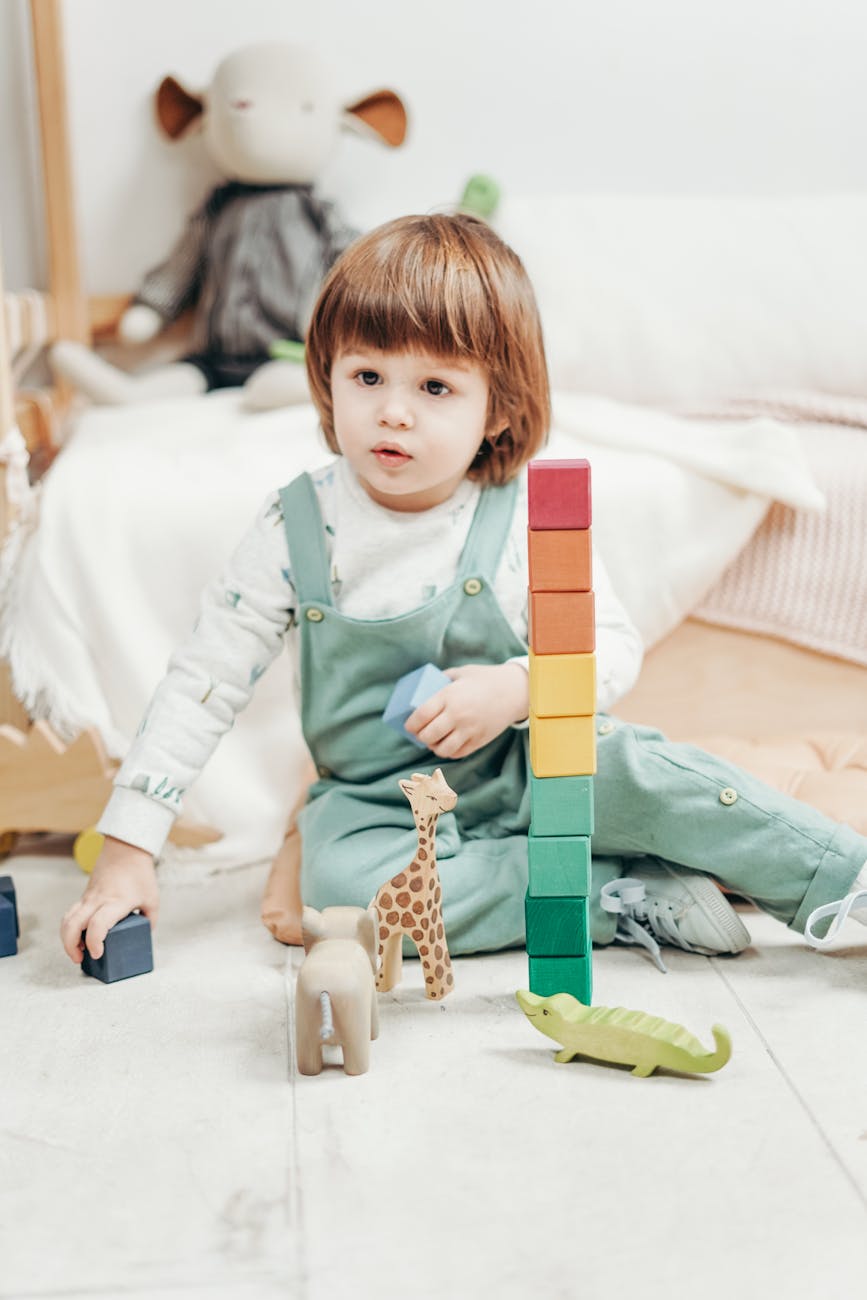
Every time someone visited, they brought something.
A toy.
A small surprise.
Something my child would instantly light up seeing.
And that made it harder.
Because it wasn’t just clutter.
My child liked it.
My child wanted it.
And suddenly, saying no didn’t just feel rude…
It felt like I was becoming the bad mom — the one who says no when everyone else is saying yes.
So I didn’t say anything.
I smiled. I said thank you. I let it in.
The Part That Made It Even Harder
And it wasn’t just the gifts.
It was everything around it.
Other moms seemed to manage it so easily.
Their homes felt calmer. Their kids didn’t seem to ask for more all the time.
Meanwhile, my child noticed everything.
- what the neighbor’s kid had
- what a friend brought to school
- what someone else just got
And suddenly, it wasn’t about one small toy anymore.
It felt like I was constantly choosing between:
- saying no and disappointing my child
- or saying yes and adding to something I was already struggling with
This feeling often shows up not just with gifts, but also when kids start noticing what others have and want to fit in. I’ve written more about this pressure and how to handle it without constantly buying things in this post on helping kids fit in without buying everything.
Over time, I’ve been trying small clutter control tips at home to manage the growing pile of things and bring a bit more calm into our space.
What I Started Noticing
Most of those toys didn’t even last.
Some stopped working in a few days.
Some needed batteries I never got around to replacing.
Some broke… and somehow became multiple toys instead of one.
Pieces everywhere. Parts I couldn’t match.
And that’s when I started questioning it.
Not the people. Not their intention.
Just the pattern.
The Part That Felt Strange (Even to Me)
At some point, I realized something else.
I hadn’t bought a toy for my kids in a long time.
Not intentionally.
Not as a strict rule.
It just… stopped happening.
And it felt a little odd.
Because around me, it seemed so normal to:
- pick up something small while shopping
- say yes to “just one toy”
- keep up with what other kids had
Meanwhile, I was quietly choosing not to.
Not because I didn’t want my child to have things.
But because I had started noticing:
they didn’t really need more
and I didn’t want to keep saying yes just because it was easy.
Why Saying No to Gifts Feels So Hard
Because gifts aren’t just things.
They come with:
- love
- excitement
- good intentions
And your child’s reaction in that moment.
So when you think about declining them, it feels like you’re:
- disappointing your child
- rejecting someone’s kindness
- and creating awkwardness all at once
What to Say When People Keep Gifting Your Kids Things
You don’t need a big conversation.
Just small, gentle shifts.
1. Start saying it early
Instead of waiting until you’re overwhelmed, say it casually:
“We’re trying to keep toys minimal these days.”
This sets the tone without making it awkward.
2. Redirect instead of refusing
Most people still want to give something.
So guide them:
“They’d love books instead.”
“We’re focusing more on experiences these days.”
This keeps the kindness — without adding more toys.
3. Use simple, honest sentences
You don’t need perfect wording.
Just something real:
“We already have quite a few toys, so we’re trying not to add more right now.”
“We don’t have space for more things, but thank you so much for thinking of them.”
4. Make it about your system, not the person
This removes discomfort:
“We’re doing a no-new-toys phase right now.”
“We’ve been trying to reduce the number of toys at home.”
It doesn’t feel personal.
5. Accept that your child may feel disappointed
This is the hardest part.
Because yes — sometimes they will want it.
And sometimes you’ll be the one who says no.
But that doesn’t make you the bad mom.
6. And sometimes… it’s okay to just accept
Some moments aren’t worth navigating.
You can:
- accept kindly
- and decide later what stays
No guilt needed.
You’re Not Being Unkind
You’re being thoughtful.
About your home.
About your child.
About what actually adds value.
And the people who care will understand — especially when you say it gently.
You don’t have to say no perfectly.
You don’t have to get it right every time.
You just have to start noticing when it feels like too much…
and respond a little differently when it does.
That alone is enough.
If you enjoy exploring calmer, more intentional ways of managing home life, you might find more peace in gentle home rhythms for moms — simple, flexible systems that make everyday parenting feel less overwhelming and more grounded.






Leave a Reply