
Postpartum hair loss is a common experience, and for some women, it may continue beyond the typical 6–12 months. While noticing significant thinning can feel concerning, in most cases it is temporary and hair will gradually regrow. Understanding why hair sheds and how to manage it can help reduce stress, boost confidence, and restore healthy, strong hair.
This post contains affiliate links. As an Amazon Associate, I earn from qualifying purchases at no additional cost to you.
Understanding Hair Growth Phases
Hair grows in three main phases:
- Anagen (Growth Phase)
- Lasts 2–6 years
- Hair actively grows about 1 cm per month. Around 85–90% of your scalp hair is in this phase normally.
- During pregnancy, high estrogen prolongs this phase → fuller hair
- Catagen (Transition Phase)
- Lasts 2–3 weeks
- Hair stops growing and follicles shrink. Less than 1% of hairs are in this stage normally.
- Telogen (Resting/Shedding Phase)
- Lasts 2–3 months
- Hair eventually falls out naturally. About 10–15% of hairs are here at any time.
- Postpartum drop in estrogen triggers many hairs to enter telogen → shedding
- Typical shedding peaks 2–6 months postpartum, but persistent shedding can last 12–24 months
Key Point: Hair shedding is normal, but prolonged shedding signals underlying hormonal, nutritional, or follicle-related issues.
Why Hair Loss May Persist Beyond 12 Months
- Hormonal Imbalance: Progesterone, prolactin, thyroid hormones, and cortisol can remain off-balance
- Nutritional Deficiencies: Low iron/ferritin, vitamin D, B12, or zinc
- Stress & Sleep Deprivation: Chronic stress keeps cortisol high, affecting follicles
- Scalp Health: Dormant or miniaturized follicles slow regrowth
- Underlying Medical Conditions: Thyroid disorders, autoimmune conditions, postpartum alopecia
- Genetic factor: Some women are genetically predisposed to longer telogen shedding or thinning postpartum. Important to normalize that not all recovery looks the same.
- Hard water: Using hard water for hair wash can worsen hair breakage.
- Seasonal changes: (e.g., more shedding in monsoon/fall) can overlap with postpartum loss.

Advanced Postpartum Hair Care Strategies
A. Medical Assessment
- Blood tests: TSH, free T4, free T3, prolactin, ferritin, vitamin D, B12, zinc, iron
- Rule out thyroid disorders, anemia, or autoimmune causes
B. Nutrition for Hair Regrowth
Breastfeeding itself doesn’t cause hair loss, but it can increase nutrient demands (iron, zinc, calcium, protein). If moms don’t replenish, persistent shedding worsens. Extra hydration and nutrition are crucial if breastfeeding
- High protein: eggs, fish, lentils, nuts
- Iron & vitamin C for absorption
- Omega-3 fatty acids: salmon, flaxseed, chia
- Biotin, zinc, vitamin D, B12, and collagen peptides
C. Scalp & Follicle Stimulation
- Daily scalp massage with coconut, argan, or castor oil
- Microneedling or dermarolling (with guidance)
- Optional topical minoxidil (if doctor approves)
- Low-level laser therapy (optional)
D. Gentle Hair Handling
- Avoid tight hairstyles
- Use wide-tooth combs
- Pat hair dry, avoid heat styling
- Sleep on silk/satin pillowcases
- Use a water filter for your shower if you are using hard water to wash hair
- Using a clarifying shampoo once a week can help remove mineral buildup and keep your scalp healthy.
E. Lifestyle & Stress Management
- Prioritize sleep and rest
- Light exercise for circulation
- Meditation, deep breathing, or yoga
- Stay hydrated

Month-by-Month Hair Recovery Protocol (12–24 Months)
Months 1–2: Assessment & baseline, gentle care, protein-rich diet
Months 3–4: Scalp stimulation, supplements, omega-3, minoxidil if needed
Months 5–6: Follicle activation, protein masks, optional microneedling
Months 7–9: Strengthening new hair, hair serums, laser therapy
Months 10–12: Evaluate regrowth, adjust supplements/treatment
Months 13–24: Long-term maintenance, scalp care, nutrition, and stress reduction
Hair Care Products I Love (Amazon Picks)
Biotin Shampoo – strengthens hair and reduces breakage.

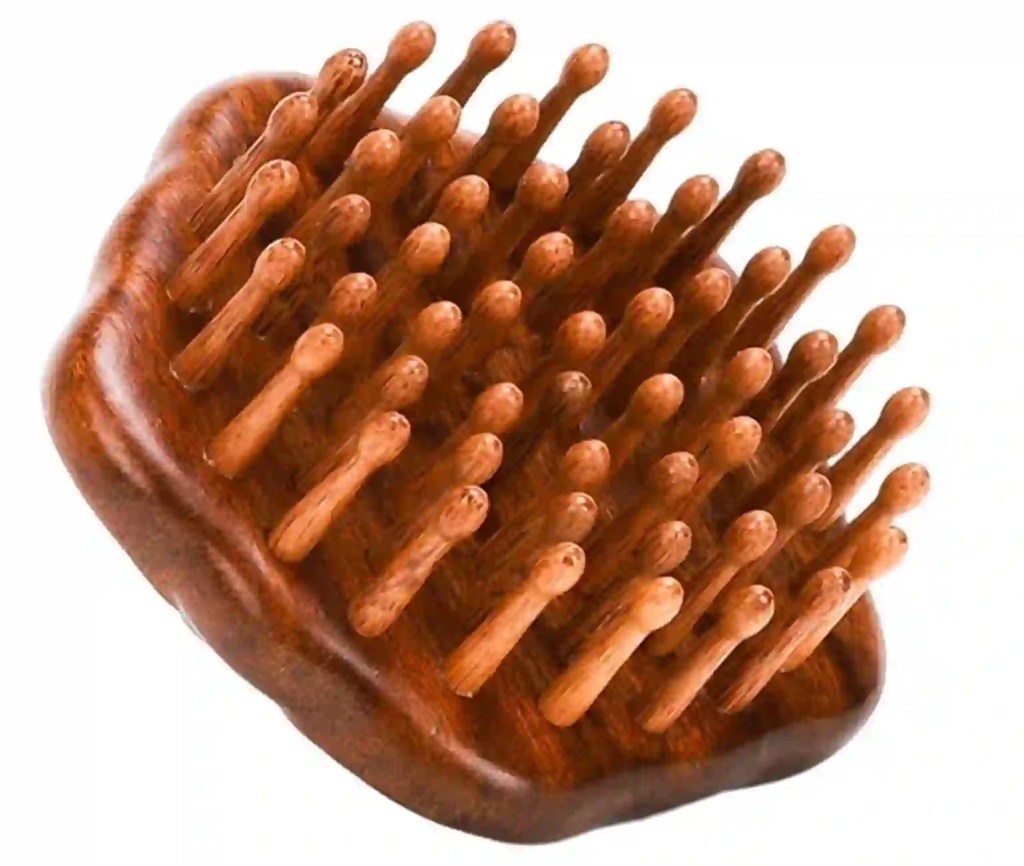
Scalp Massage Brush – improves circulation and promotes healthy growth.
Hair Growth Vitamins – supports nutrition from within.

Extra Tips for Persistent Shedding
- Track hair fall to monitor progress
- Avoid overwashing and harsh chemicals
- Take photos monthly to observe regrowth
- Consult dermatologist/trichologist if no improvement after 18–24 months
Styling & Cosmetic Hacks
While waiting for regrowth:
- Use volumizing shampoos
- Strategic haircuts (layers, shorter styles) make thinning less obvious
- Hair fibers or tinted powders can camouflage thin areas

Persistent postpartum hair loss is frustrating but treatable with a structured approach. Understanding hair growth phases, hormonal and nutritional factors, and adopting a targeted hair care routine can help restore healthy, thick hair over time.
For some women, postpartum shedding may reveal underlying female-pattern hair loss (androgenic alopecia), which continues even after hormone stabilization.
Patience, consistency, and medical guidance are key.
Beyond physical symptoms like hair loss, the emotional side of postpartum life matters too. For more gentle reflections on motherhood, well-being, and nurturing your inner self through the ups and downs, visit our Motherhood Reflections hub for supportive insights and stories.




Leave a Reply