

If you’ve been wondering how to reconnect with your older child after having a new baby, you’re not alone.
It’s a common phase — when everything shifts, and your attention is pulled in so many directions, even though your love hasn’t changed.
Sometimes, that can quietly feel like distance.
If you’re feeling like everything has shifted and you’re trying to rebuild connection, it helps to remember the bigger transition your child is going through.
You can read more about helping your firstborn adjust to a new baby if you want to understand the emotional shift behind this phase.
There’s a moment that caught me off guard after having another baby.
I was still there for my older child — but not in the same way.
I was more distracted. More tired. Always holding the baby, or thinking about the next feed, the next nap, the next small crisis.
And somewhere in between all of that, a quiet thought started to sit in the background:
Will they remember this time as the phase when I wasn’t really there?
Maybe they won’t.
But it still feels like something I don’t want to leave to chance.
Not by doing more. Not by planning big things.
Just by holding on to a few small moments that still say:
I see you. I care about you. You still matter just as much.
And that’s when I started realizing something —
it doesn’t take hours to feel connected again. Even a few intentional minutes can make a difference.
Hold On to the Magic
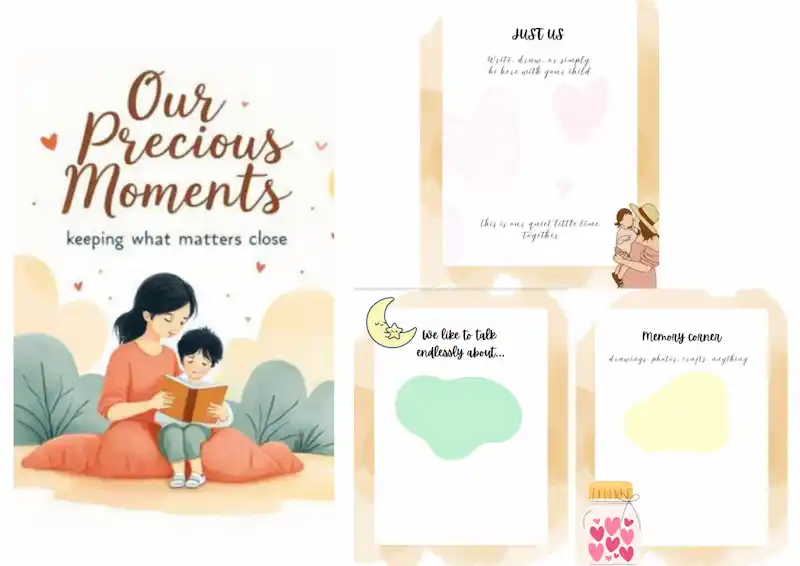
The toddler years move so fast. Before the “mispronounced” words and tiny habits fade into distant memories, give them a permanent home. I’ve created this simple keepsake journal to help you capture the heart of these years—even on your busiest days.

It’s Not About Doing More
This phase is full.
Full of interruptions, broken sleep, and constantly shifting attention.
You can’t always create big, meaningful bonding time.
You can’t always be fully present.
And that’s okay.
Connection doesn’t come from perfect days.
Sometimes, it comes from very small, intentional pauses.
Small Ways to Stay Connected (Even on Busy Days)
What I started noticing is this:
It’s not the length of time that matters.
It’s how it feels in that moment.
A few minutes can go a long way when your child feels:
- seen
- listened to
- chosen
Some simple ways this can look like:
- Sitting with them and listening — really listening — even for a few minutes
- Letting them choose a small activity (a book, a game, anything simple)
- Lying next to them at bedtime and talking quietly
- Giving them a quick cuddle without multitasking
- Letting them “teach” you something they enjoy
Nothing elaborate. Nothing planned.
Just small moments that feel real.
If you’re looking for a few simple ways to make these moments more consistent, you can explore these parent-child connection rituals for ages 3–12.
When You’re Worried About the Long-Term
Sometimes the worry isn’t just about today.
It’s about what stays.
Will they remember this as the time I was too busy?
Will they feel pushed aside?
Maybe they won’t remember it that way.
But even then, it helps to leave behind something that says:
Even during this busy time, you were deeply loved.
Hold On to the Magic
The toddler years move so fast. Before the “mispronounced” words and tiny habits fade into distant memories, give them a permanent home. I’ve created this simple keepsake journal to help you capture the heart of these years—even on your busiest days.
Something That Stays
The hard part about this phase is how quickly it passes.
Days blur. Weeks blur.
Even the good moments can disappear into everything else.
So instead of trying to do more, I started thinking about something simpler:
What if I could just hold on to a few of these moments?
Not all of them.
Not perfectly.
Just enough.
A Simple Way to Hold On to These Moments
I created a small printable for this.
Not a full journal.
Not something you have to keep up with every day.
Just a few gentle pages where you can:
- Write down a small moment you shared
- Add a short note to your child
- Let them draw or scribble something with you
- Capture a feeling, not a perfect memory
It’s meant to fit into real life.
You can skip days.
You can forget about it and come back later.
Even a few pages are enough.
And it keeps all the memories inside for us to revisit later.
Why Even a Few Moments Matter
Your child may not remember every detail from this phase.
But they will carry a feeling.
And sometimes, a few small moments —
and a few words written down —
are enough to shape that feeling.
Enough to remind them, later on:
I was cared for. Even then.
Download the Printable
If this feels like something you need right now, you can download it here:
For Girl Child

Hold On to the Magic
The toddler years move so fast. Before the “mispronounced” words and tiny habits fade into distant memories, give them a permanent home. I’ve created this simple keepsake journal to help you capture the heart of these years—even on your busiest days.
Use it in your own way.
Add photos, doodles, or scribbles as you like.
Keep it simple.
Let it be imperfect.
As your child grows and begins to read or express their thoughts, you can also explore this mom and me journal for deeper shared moments.
If you’re also noticing changes in your older child’s behavior during this time, you might find this helpful:
Older child regression after new baby
You don’t have to fix everything.
Sometimes, just a few small moments and something to hold on to them is already more than enough.
Daily rituals and consistent connection help children feel secure, understood, and supported — laying the foundation for healthy emotional growth and positive behavior. For more guidance on fostering emotional development and navigating behavior at different ages, explore our Emotional Growth & Behavior hub.
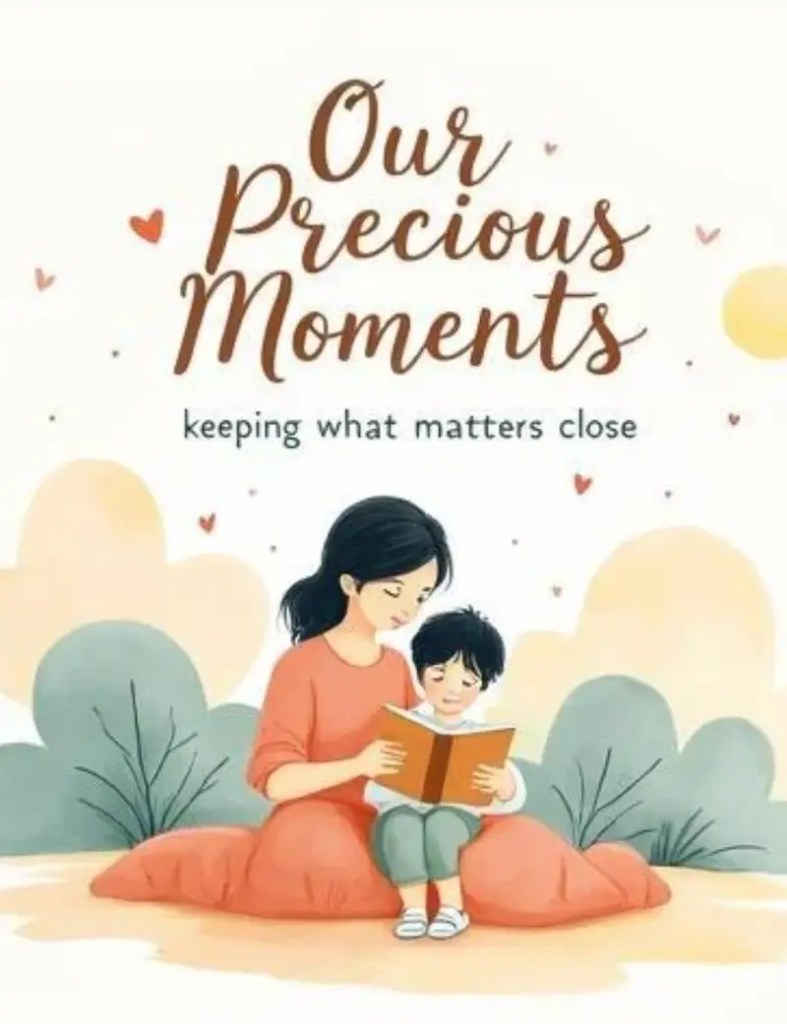
Journaling together is a simple yet powerful way to strengthen the bond between parent and child. Our Precious Moments journal printable encourages meaningful conversations, reflection, and shared memories while fostering emotional connection and communication skills. To explore more activities, guides, and resources that help nurture parent-child relationships and create lasting family connections, visit our Parent-Child Connection Resources collection. It’s filled with practical tools and ideas designed to support deeper connections at every stage of childhood.
Related Reads
- Helping Your Firstborn Adjust to a New Baby
- The Best Age Gap Between Kids? Maybe It’s About Readiness – Not Numbers
- Why Do I Feel Angry at My Older Child After Having a New Baby?
- Quiet Bonding Rituals for Moms and Kids: Strengthen Emotional Connections
- Quiet Play Activities for Kids: Safe and Independent Fun While You Rest or Work


Leave a Reply