

When Your Older Child Feels Harder After a New Baby
If you’ve recently had a baby and find yourself feeling unusually irritated, distant, or even resentful toward your older child, you might be quietly wondering:
“Why do I feel like I hate my first child since the baby was born?”
That thought can feel shocking. Shameful. Scary.
I’ve sat with so many moms as they’ve cried, whispering the words they’re ashamed to say: that they feel a sudden, sharp resentment toward their older child now that the baby is here. It breaks my heart to hear it, mostly because I know they feel a thousand times worse than I do just listening to them. But I get it. I truly do.
When my younger kid was born, it felt like there was only one ‘enemy’ in the world I needed to protect him from—and that was my three-year-old.
I remember the moment she walked into the hospital room with my husband.
Just minutes before, I had been aching for her, worrying if she was okay sleeping away from me for the first time. But the second she stepped inside, my instinct flipped to pure protection mode over the newborn.
It was the strangest thing; she looked cartoonishly big to me suddenly. I found myself watching her every move, waiting for a flash of aggression that never came. She was being perfectly normal, but in that high-alert state, I didn’t trust her for a single second.
This “high-alert” state didn’t just vanish at the hospital—it followed me home for months.
It’s a heartbreaking cycle. You are physically vulnerable, completely ‘touched out,’ and terrified that your toddler might jump on your tummy while your C-section scar is still so raw. Your older child senses that distance and becomes even more clingy.
You aren’t being “mean” for flinching when they get too close; you are a wounded mammal trying to heal while your nervous system treats your firstborn like an adorable, 30-pound wrecking ball.
If you’re feeling that same ‘us vs. them’ tension in your own living room, let’s talk about why your brain is doing this to you—and why it doesn’t mean you’re a bad mom.
But before you read any further, I want to assure you: this feeling is not the final verdict. Seasons change, you change, and most importantly, the kids change. Families grow into themselves.
Fast forward to today—that ‘cartoonishly big’ 3-year-old is now seven, and my son is four. When I look at them now, the protective ‘us vs. them’ fog has completely lifted(almost).
Instead, I’m filled with this deep, quiet gratitude that they have each other. I often think about the fact that one day, long after I’m gone, they will still have a family. They will have blood that recognizes them, a sibling who remembers their childhood, and a love that remains even after the occasional fight.
It is so endearing to see them now—two separate people who genuinely love each other—and it makes those hard, high-alert early days feel like a lifetime ago.
Feeling angry at your older child after a new baby arrives is far more common than most mothers admit. It doesn’t mean you love them less. It doesn’t mean you regret having another baby. And it certainly doesn’t mean you are a bad mom.
It usually means you are overwhelmed in ways no one fully prepared you for.
Your Nervous System Is Running on Empty
A newborn demands constant availability:
- Night wakings
- Feeding around the clock
- Physical recovery
- Hormonal shifts
- Hypervigilance
Your body is in survival mode.
Sometimes, this constant noise, touch, and demand can build into sensory overload—for both you and your child.
When your older child:
- interrupts while you’re feeding
- asks endless questions
- whines
- refuses simple tasks
It can feel unbearable — not because they’re terrible, but because your nervous system has no buffer left.
When capacity shrinks, irritation grows.
The anger often isn’t about your child.
It’s about exhaustion.
We Expect Them to Step Up — But They Regress Instead
This emotional mismatch can be jarring.
If this feels sudden and confusing, it often helps to step back and look at the bigger transition your child is going through. Adjusting to a new baby is a huge emotional shift — and this is how many children show it. To understand how to support your child adjust to the newborn, this can help.
After holding a tiny newborn, your older child suddenly looks so big.
They can:
- walk independently
- speak clearly
- understand instructions
- dress themselves (sometimes)
So without realizing it, we raise the bar.
We expect them to:
- be patient
- be helpful
- understand that mom is busy
- need less
But from their perspective, something huge just changed.
Their secure world shifted.
And regression after a new baby is extremely common.
They may:
- use baby talk
- cling more
- act younger than their age
- melt down over small things
- suddenly refuse independence
This isn’t manipulation.
It’s insecurity.
They are not stepping backward to frustrate you.
They are stepping backward because they feel unsure.
With older children, this can show up as bigger emotions—anger, defiance, or sudden demands.
And sometimes, we miss what’s underneath. We assume it’s about the new baby, when it may not be.
They still need you too.
And when you begin to understand how they need you in this season, it can ease some of the overwhelm for both of you.
The Baby Feels Innocent. The Older Child Feels Responsible.
The newborn is tiny and fragile.
The older child feels capable.
So when chaos happens, our frustration often lands on the one who “should know better.”
Even if they’re only five.
Even if they’re only six.
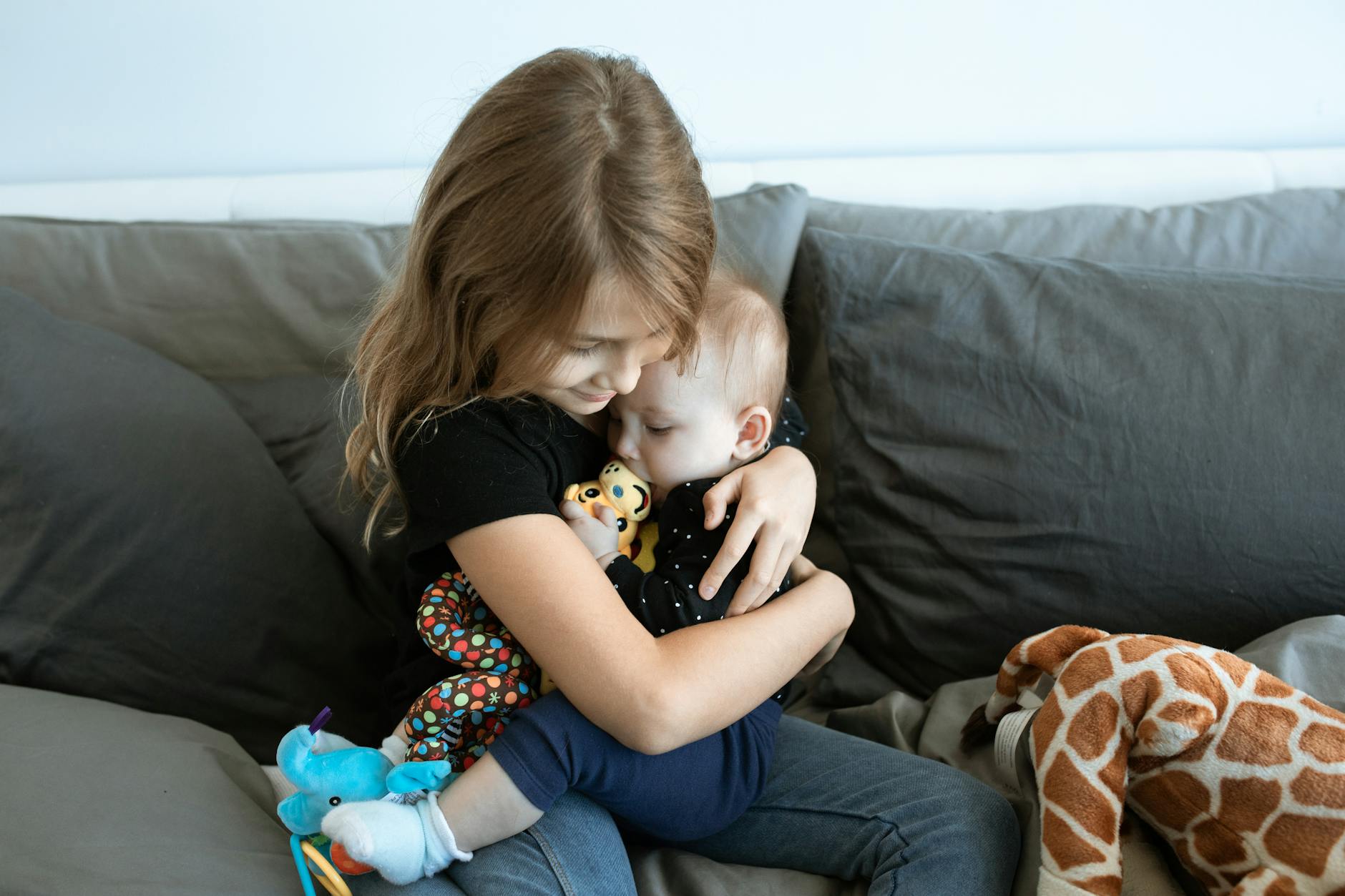
But “older” does not mean emotionally ready.
They are still little — even if they look big compared to a newborn.
Sometimes It’s Grief Disguised as Irritation
Before the baby, there was a rhythm between you and your first child.
You understood each other.
You had one-on-one time.
Things felt more manageable.
Now everything feels divided.
Sometimes resentment is actually grief:
- Grief for simplicity
- Grief for undivided attention
- Grief for the version of motherhood that felt easier
Grief often shows up as irritation.
Naming the Feelings Changes Everything
When a new baby arrives, emotions don’t disappear.
They intensify.
Your older child may feel:
- jealous
- replaced
- confused
- unsure of their place
But instead of saying that, they show it through behavior.
One of the most powerful things you can do is gently name what might be happening.
You can say:
- “Sometimes when a new baby comes, older kids feel jealous. That’s okay.”
- “It can feel strange to share mom.”
- “You can always tell me if you feel left out.”
You’re not planting jealousy.
You’re giving language to feelings that may already be there.
And when children feel understood, their nervous systems soften.
Reassure Their Place — Often
In seasons of change, reassurance needs repetition.
Simple phrases matter more than we think:
- “I love you just as much as before.”
- “You will always be my first baby.”
- “Nothing can change that you are mine.”
Security reduces acting out.
Not instantly.
But steadily.
What Helps When the Anger Spikes
This season usually doesn’t improve through stricter discipline or more reward charts.
Instead, small adjustments matter.
Lower the Bar Temporarily
Expect some regression.
This is a transition period — not a permanent personality shift.
Create a Small Daily Connection Ritual
What your child needs most right now isn’t correction — it’s connection. Even small, consistent moments can reduce regression faster than discipline. If you’re not sure how to rebuild that connection with a toddler in the middle of baby chaos, here are simple ways to start.
Even 10 minutes of uninterrupted attention helps.
No correcting.
No teaching.
Just presence.
Consistency matters more than length.
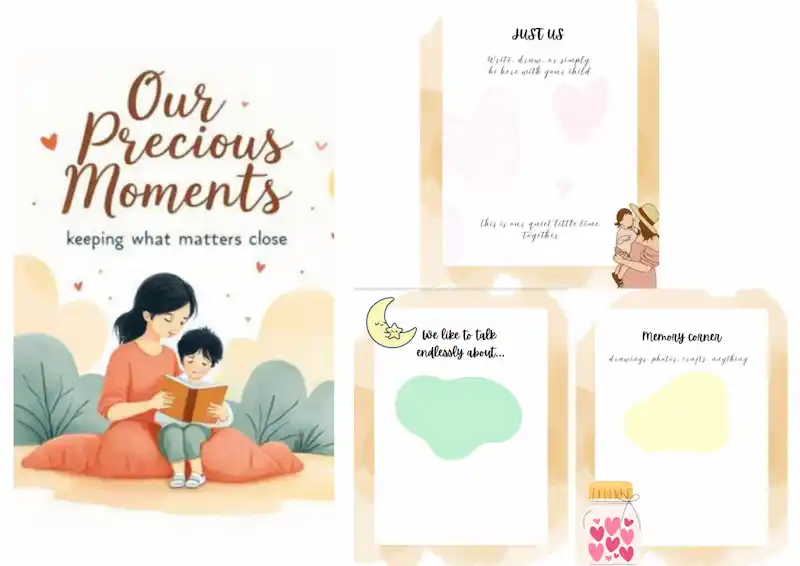
This is something that has really helped me in my own journey, which is why I created a simple Mom & Me Journal printable to make it easier for other moms to try this too. You can download it for free.
Hold On to the Magic
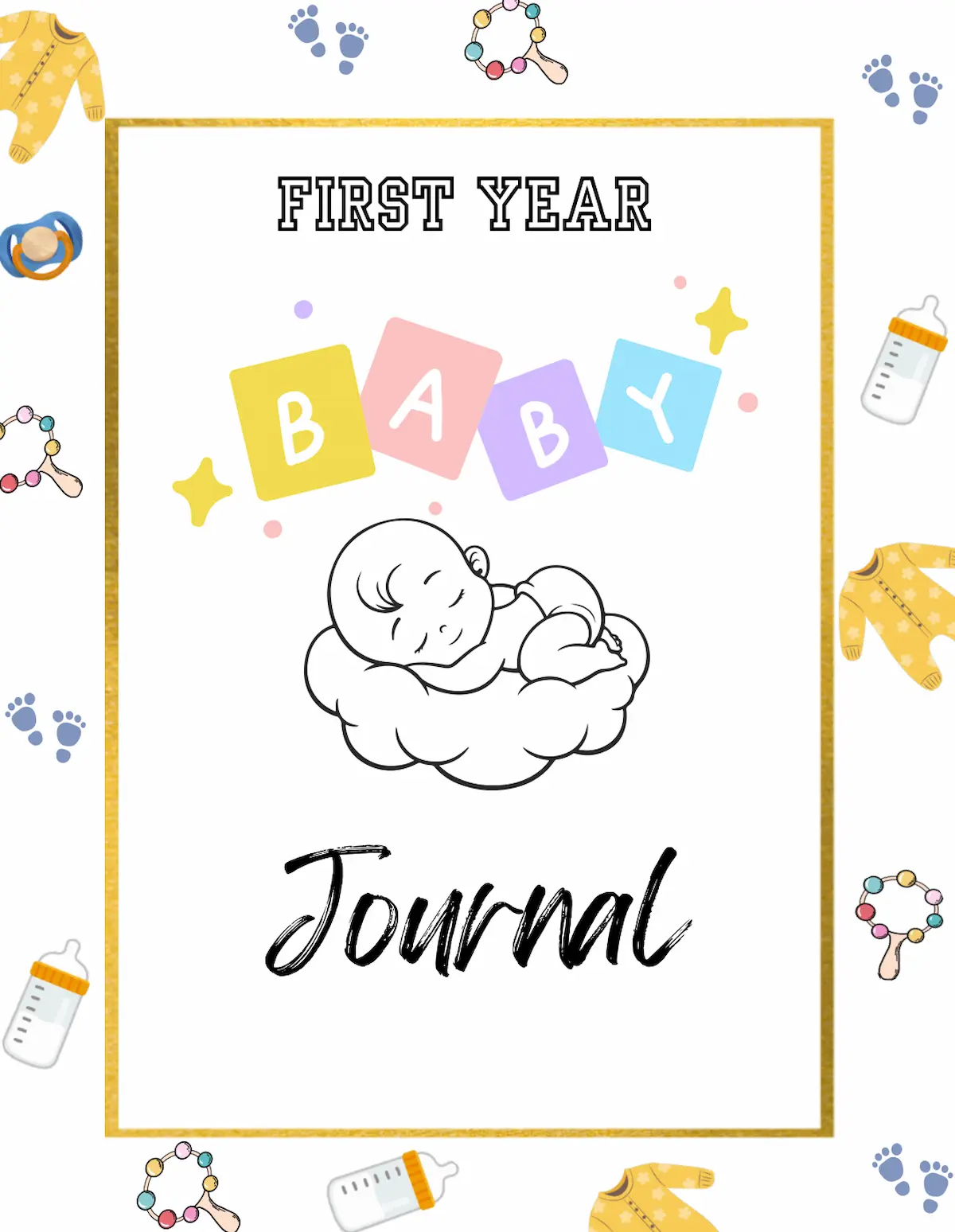
The toddler years move so fast. Before the “mispronounced” words and tiny habits fade into distant memories, give them a permanent home. I’ve created this simple keepsake journal to help you capture the heart of these years—even on your busiest days.

Regulate Yourself First
When irritation rises:
Pause.
Lower your voice.
Slow your body.
Sometimes your calm matters more than the “right” words.
Creating small pockets of quiet play for your child can also give both of you a moment to breathe.
If you’re navigating toddler meltdowns, regressions, or sibling adjustment, you’ll find more practical guidance inside Baby & Toddler Parenting section.
When to Seek Extra Support
If your feelings include:
- persistent rage
- intrusive thoughts
- feeling disconnected from both children
- hopelessness
Please speak to a doctor or therapist.
Postpartum mental health affects how we experience both children — and support can change everything.
The Quiet Truth
Many mothers feel resentment toward their older child after having a new baby.
They just don’t say it out loud.
This feeling doesn’t define you.
It reflects:
- exhaustion
- nervous system overload
- family transition
This is a season.
Not a verdict on your motherhood.
And the fact that you’re worried about feeling this way?
That already says something important about the kind of mother you are.
And in the middle of all this… you matter too. Small, realistic moments of rest can help you reset—even in the middle of a full day with multiple tiny humans.
If you’re navigating big emotions — yours or your child’s — I’ve shared more gentle, real-life reflections inside my Motherhood & Emotional Wellbeing pillar. You don’t have to carry it all quietly.
Related Reads
- Helping Your Firstborn Adjust to a New Baby
- The Best Age Gap Between Kids? Maybe It’s About Readiness – Not Numbers
- Simple Ways to Stay Connected With Your Older Child (After a New Baby)
- Quiet Bonding Rituals for Moms and Kids: Strengthen Emotional Connections
- Quiet Play Activities for Kids: Safe and Independent Fun While You Rest or Work



Leave a Reply