

Parenting with Flexibility: A Practical, Age-Aware Approach
Table of Contents
Parenting comes with questions at every stage. This pillar offers gentle, practical parenting guidance focused on emotional development, daily routines, communication, and connection. From baby and toddler challenges to supporting growing independence, these resources are designed to help parents respond with calm, clarity, and confidence — without chasing perfection.
Parenting with Flexibility and Connection
Parenting isn’t about following strict rules, fitting into a category, or getting everything “right.” Many of you have probably read about parenting styles — authoritative, permissive, gentle, or even tiger parenting — and may already have a sense of what works and what doesn’t for your child. You likely know your child better than anyone: what makes them happy, what motivates them, and what helps them feel secure. This page is here to help you turn that knowledge and instinct into practical, flexible strategies that respect your child’s personality, foster connection, and make everyday parenting more manageable.
What Flexible Parenting Means
Flexible parenting is about adapting your approach to your child, the situation, and your own capacity. It recognizes that what works for one child may not work for another, and that routines, rules, and expectations are tools — not rigid instructions.
For example, an obedient child may thrive with a little more freedom to explore their interests, while a strong-willed child may need clearer boundaries to feel secure. Flexible parenting isn’t a fixed style; it’s a mindset of observing, adjusting, and responding thoughtfully to the needs of your child.
Understanding Your Child’s Personality
Every child is unique. Some follow instructions naturally, some push limits, some need more reassurance, and some are fiercely independent. Parenting is most effective when we shape our approach around the child’s temperament, rather than forcing them to fit a predetermined mold.
This awareness allows you to guide your child with empathy while still maintaining structure, helping them develop confidence, independence, and a sense of security. Flexible parenting encourages us to notice what works, adapt when needed, and respect each child’s individuality.
Small, Consistent Actions Make a Difference
Parenting is a series of patterns, not isolated moments. Occasional screen time, relying on grandparents for school routines, or having a day where everything doesn’t go perfectly doesn’t make you neglectful. What counts is ongoing attention, presence, and care.
Even small, consistent actions — listening to your child, engaging in shared activities, checking in with feelings — build a foundation of trust and connection that lasts far longer than perfection ever could.
Reminders to Pause and Reflect
Parenting can feel overwhelming, and it’s easy to get caught up in rules, comparisons, or the pressures of modern life. Sometimes we need to be reminded to step back, relax, and not get carried away. Children thrive when parents are calm, present, and reflective, rather than constantly stressed or rigid.
Every generation, culture, and family has its own way of raising children. Observing how kids are treated elsewhere can be interesting or inspiring, but it doesn’t mean your approach is wrong. Flexible parenting is about finding what works for your child and your family, adjusting as needed, and trusting your instincts along the way.
Building Connection and Secure Attachment
Connection is at the heart of parenting. Children flourish when they feel seen, heard, and understood. Secure attachment develops through warmth, responsiveness, and consistent attention, not through rigid rules or perfection.
Some practical ways to foster connection include:
- Listening actively and validating feelings
- Sharing small routines or daily rituals
- Offering guidance while allowing your child to make choices
- Adjusting expectations based on mood, context, and personality
Baby & Toddler Parenting (0–4 Years)
The first four years are a whirlwind of rapid development and “firsts.” While every child is different, most parents find themselves facing the same core hurdles: sleep, soothing, and the first signs of big emotions.
- The Secret to Sleep Regressions: Most regressions (like the infamous 4-month or 18-month marks) are actually signs of cognitive leaps. The key is maintaining your routine while offering extra comfort—not starting over from scratch.
- Decoding the Cry: Soothing a baby is part rhythm and part environment. While classic methods like swaddling are staples, sometimes “resetting” the environment with fresh air or water (a bath) is the unconventional trick that works.
- Understanding Toddler Logic: Tantrums aren’t “bad behavior”; they are a physiological inability to handle big feelings. Using a structured approach like the C.A.L.M Method helps you stay grounded so you can help them co-regulate.
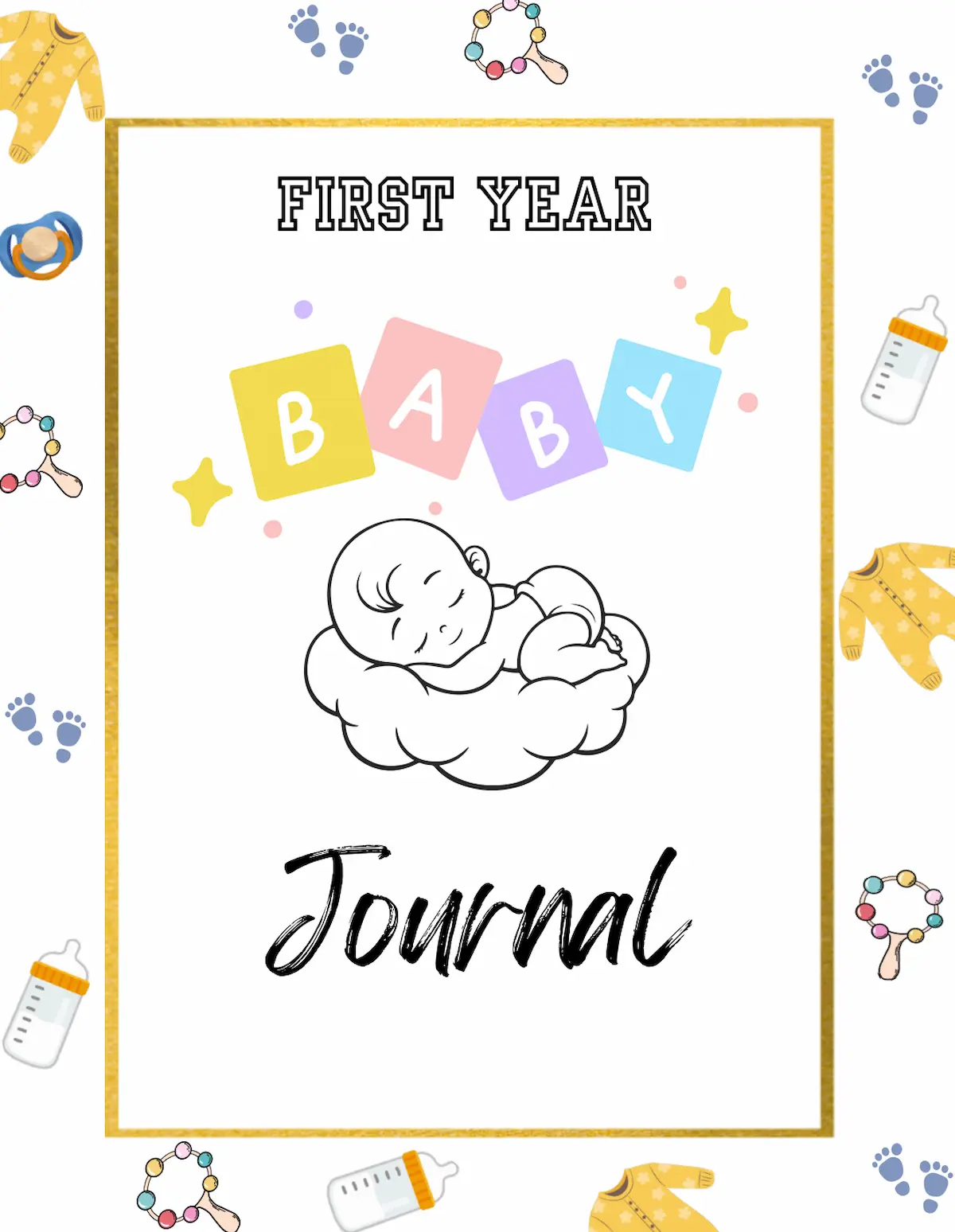
First Year Baby Journal – An All‑in‑One Motherhood Companion
A single, gentle space that holds everything that matters in your baby’s first year — without asking you to be consistent, creative, or perfect.
Instead of separating your life into multiple systems, this journal brings them together:
- Memories & Moments
Little details, feelings, firsts, and ordinary days you’ll want to remember later. - Breastfeeding & Feeding Notes
A simple way to track feeding patterns without pressure or obsession. - Vaccination & Health Tracking
One place to note vaccines, appointments, and health observations. - Mother’s Reflections
Space for you — your emotions, thoughts, and the quiet changes happening inside.
This journal is intentionally a mix — because the first year itself is a mix.
Deep Dive Resources
- How to Handle Baby & Toddler Sleep Regressions: Expert-Backed Strategies That Work
- 10 Classic Ways to Soothe a Baby (Every Parent Should Know)
- Soothing Crying Baby: Unconventional Techniques That Work
- How to Calm Toddler Temper Tantrums: The C.A.L.M Method
- Cloth Diapers vs Disposable Diapers: A Real Parenting Experience
For gentle, practical parenting support for babies and toddlers (0–4 years), covering big feelings, daily routines, independence, and everyday challenges — without pressure or perfection.
Preschool & Early Childhood (4–8 Years)
As children move into early childhood, the parenting goal shifts from constant care to guided independence. This stage is defined by a desire for autonomy, the development of complex social emotions, and the need for predictable structures that make them feel secure.
- The Power of Predictability: Between ages 4 and 8, a child’s brain thrives on “knowing what comes next.” Solid daily rhythms—especially a consistent evening flow—reduce power struggles and help children transition from a busy day to a restful night without the drama.
- Managing the Digital Balance: In a tech-heavy world, the goal isn’t just to “limit” screens, but to replace them with high-value alternatives that spark curiosity and independent play.
- Navigating “Big” Feelings: At 5 and 6 years old, anger often stems from a lack of control. Learning to handle these specific outbursts requires a move away from “time-outs” and toward tools that help them identify and manage their own emotional temperature.
- Cultivating Self-Reliance: You can’t be their “everything” forever. Helping a child learn to solve small problems or play on their own is a gift that builds their confidence and gives you back much-needed breathing room.
- Supporting Academic Growth: Beyond emotional regulation, the early school years are about building a foundation for literacy. Using engaging, low-pressure tools like Parts of Speech Worksheets or Sentence Structure Worksheets
helps your child master grammar through play and practice rather than frustration.
Deep Dive Resources
- How Simple Daily Routines and Rewards Can Help Your Child Thrive
- The Perfect Bedtime Routine for Kids: How to End the Day Calmly and Happily
- How to Reduce Screen Time for Kids (Ages 2–10): Practical Tips and Alternatives
- Helping Your Kid Learn Independently: A Parent’s Guide
- Big Emotions in Little Kids: How to Handle Anger in 5–6 Year Olds
Explore tips, activities, and strategies for supporting your child’s learning, independence, and social skills during these formative years. From developing routines to fostering curiosity, this sub-pillar helps you navigate early childhood with confidence.
Emotional Growth & Behavior
Behavior is a form of communication. When a child lies, acts out, or shuts down, they are often reacting to internal triggers—like sensory overload or a developmental push for autonomy—that they don’t yet have the words to explain. Understanding these “hidden” drivers allows us to respond with curiosity instead of just consequences.
- The Logic of Lying and Privacy: Discovery of “the secret” or the occasional lie isn’t necessarily a sign of bad character; often, it’s a clumsy first attempt at establishing privacy or avoiding disappointment. The goal is to keep the door open so they feel safe coming back to the truth.
- Sibling and Peer Dynamics: Jealousy and frustration are natural byproducts of a child’s growing social world. By identifying the small, surprising triggers—like perceived unfairness in “helper” roles—we can diffuse sibling rivalry before it boils over.
- The Sensory & Neurodiverse Lens: Sometimes, “disrespect” or a “meltdown” isn’t behavioral at all. For children with ADHD or sensory processing sensitivities, the world can feel loud and chaotic. Recognizing signs of sensory overload in both your child and yourself is the first step toward a calmer home.
- The “I Can Do It” Frustration: Around age six, children hit a developmental peak where their ambition often outpaces their fine motor skills. This gap leads to intense frustration that requires a specific kind of “patience-first” coaching from parents.
Deep Dive Resources
- Understanding Your Child’s Emotional Cues: A Guide for Parents
- Why Kids Lie and What We Can Do About It
- When Kids Keep Things From Their Parents: Understanding Privacy Without Connection
- The Surprising Little Things That Trigger Sibling Jealousy
- Understanding Disrespect in Kids: ADHD Insights
- Sensory Overload in Children and Parents: Causes, Signs, and Coping Strategies
- Why Kids Around Age 6 Get So Frustrated: A Guide to Developmental Ambition
For guidance on nurturing your child’s emotional intelligence, self-regulation, and resilience. Learn how to address tantrums, build empathy, and support healthy coping skills at every stage of development.
Connection & Communication
Connection is the foundation that makes every other part of parenting easier. When a child feels truly heard and seen, they are more likely to cooperate, share their struggles, and stay close as they move into the challenging “tween” and teen years. True connection isn’t about grand gestures; it’s about the small, quiet rituals that happen every day.
- Investing in the Future: Bonding with a toddler or elementary-aged child isn’t just for today. It’s about building a “communication bank account” that you can draw from when they reach the teenage years and things get more complex.
- The Power of Quiet Rituals: Not every connection needs to be loud or high-energy. Quiet, low-pressure bonding rituals—like reading together or simple “check-ins”—are often where the most important conversations happen.
- Navigating the “Tween” Gap: When a child starts to pull away or act distant as they approach middle school, it’s usually a call for a different kind of connection. Learning how to pivot your approach for preteens is essential for staying in their inner circle.
- Creative Tools for Connection: Sometimes, talking face-to-face is hard for kids. Using “side-by-side” tools like journals or shared printables allows children to express feelings on paper that they might not be ready to say out loud.
Building connection is easier when you aren’t running on empty; see our Motherhood Self-Care routines for ways to recharge.
Connection & Bonding Tools
Real tools for perfectly imperfect bonding. No pressure, just presence.
Toddler Memory Keepsake Journal For the Toddler Years (Ages 1–4)
Capture the fleeting everyday moments, quirky habits, and tiny milestones before they fade into the “big kid” years. Designed for busy moms who want to remember the little things without the pressure of a traditional baby book.

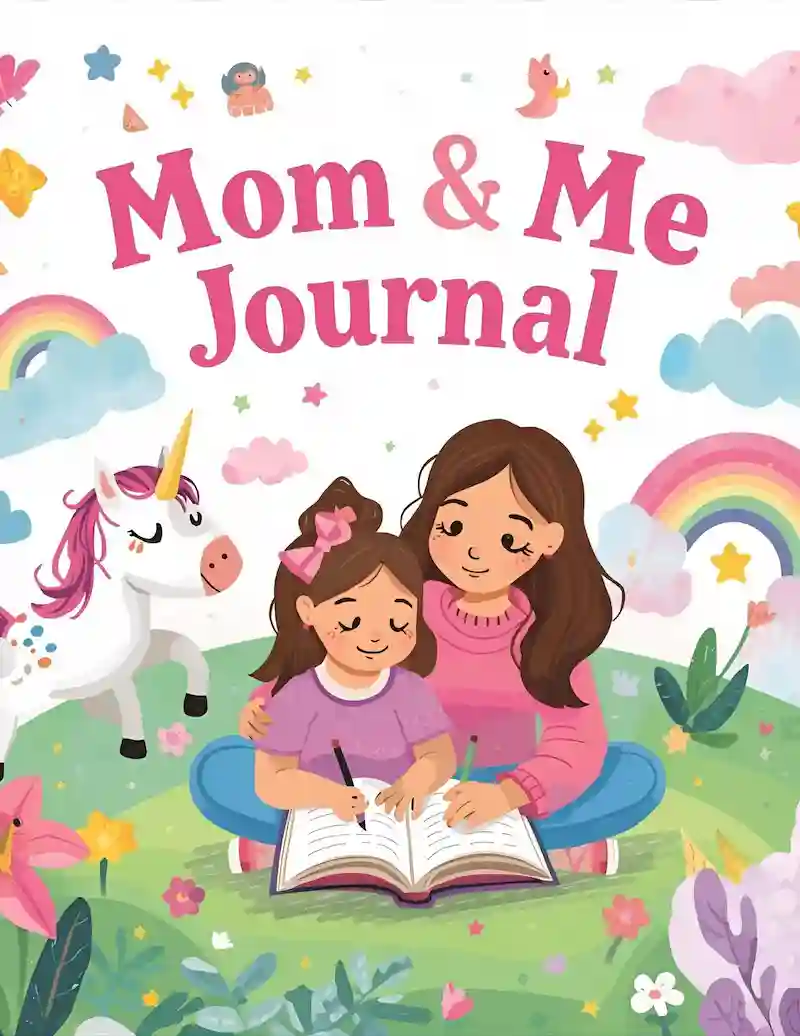
Mom & Me Journal For Growing Kids (Grades 1 & Up)
Bonding doesn’t always come naturally — and it doesn’t look the same for every parent–child relationship.
The Mom & Me Journal is not about fixing anything. It’s about creating small, safe moments of connection — through shared reflection, simple prompts, and honest conversations.
Deep Dive Resources & Tools
- How to Bond with Your Child So They’ll Still Talk to You as a Teen
- How to Reconnect with a Distant Tween: 8 Practical Tips for Parents
- Quiet Bonding Rituals for Moms and Kids: Strengthen Emotional Connections
- Digital Resources for Connection:
Discover ways to strengthen your bond with your child through mindful listening, positive reinforcement, and daily rituals. This sub-pillar focuses on building trust, understanding, and open communication in the parent-child relationship.
Sibling & Family Dynamics
Every family has its own unique rhythm, shaped by the personalities of the individuals within it. Whether you are navigating the transition of a new baby or managing the daily friction between school-aged siblings, understanding the underlying “blueprint” of your family can help you move from refereeing fights to fostering friendship.
- The Sibling Jealousy Trap: Rivalry often isn’t about “hating” a sibling; it’s about a perceived threat to a child’s most valuable resource: your attention. By identifying the small, often overlooked triggers—like who gets to push the elevator button or sit in a specific chair—you can proactively calm the storm.
- The “Blueprint” of Personality: While birth order, gender, and age gaps provide a framework for a child’s development, they aren’t destiny. Recognizing how these factors influence a child’s perspective allows you to parent the individual rather than the “role” they play in the family.
- Fostering Long-Term Connection: Family dynamics are the training ground for all future relationships. When we manage jealousy and respect individual personalities today, we are teaching our children the conflict-resolution skills they will use for the rest of their lives.
Deep Dive Resources
- The Surprising Little Things That Trigger Sibling Jealousy (And What Helped Us Calm It)
- Birth Order, Gender and Age Gap: How They Shape Kids’ Personalities (And What Really Matters)
Tips and strategies for managing sibling relationships, family routines, and household harmony. Learn how to handle jealousy, encourage cooperation, and create a supportive environment for every family member.
No parent has all the answers. Being reflective, aware, and willing to adjust — that’s what really matters. Flexible parenting is about embracing the journey, celebrating small victories, and nurturing your child in a way that respects their personality, builds lasting connection, and allows both parent and child to grow together.